
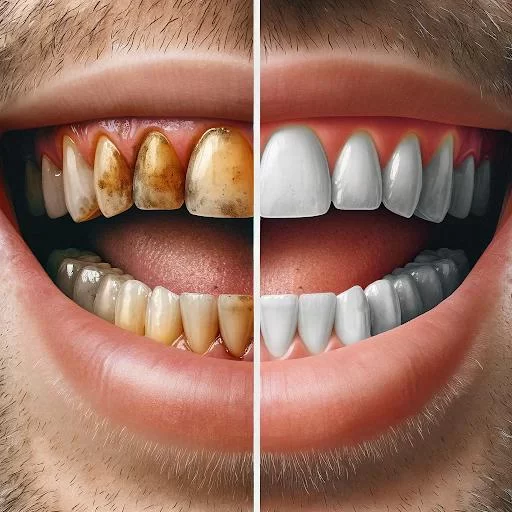
Best Ways to Prevent Tooth Staining: Simple Tips for a Brighter Smile
- Understanding Tooth Staining
- Main Causes of Tooth Staining
- Effective Tips to Prevent Tooth Staining
- Products to Maintain a Brighter Smile
- Visiting Your Dentist for Whitening
Understanding Tooth Staining
Tooth staining is a common concern for many people, especially for those who want to maintain a bright, white smile. Staining occurs when substances like food, drink, and smoking contribute to discoloration on the enamel of your teeth. Tooth staining can be categorized into two types: extrinsic and intrinsic.
Extrinsic stains affect the outer layer of the tooth (the enamel) and are typically caused by external factors like coffee, tea, or tobacco. Intrinsic stains, on the other hand, occur deeper within the tooth structure, usually due to factors like aging, genetics, or certain medications. Understanding the different types of staining can help you prevent and treat them more effectively.
Main Causes of Tooth Staining
There are several factors that contribute to the staining of your teeth. Some of the most common causes include:
- Coffee and Tea: Both coffee and tea contain tannins that can cause discoloration over time. Drinking these beverages frequently without proper oral care can lead to noticeable stains.
- Smoking: Tobacco is notorious for causing both extrinsic and intrinsic stains. The nicotine and tar in cigarettes can significantly darken the teeth.
- Wine and Fruit Juices: Red wine and highly pigmented juices, like grape or cranberry juice, can stain teeth due to their acidity and dark pigments.
- Poor Oral Hygiene: Not brushing and flossing regularly can result in plaque buildup, which can contribute to staining over time. Plaque can attract food particles and bacteria, leading to discoloration.
- Medications: Some antibiotics and antihistamines may cause intrinsic staining. It’s important to consult with your doctor or dentist if you notice discoloration after starting a new medication.
Effective Tips to Prevent Tooth Staining
Fortunately, there are several ways you can reduce your risk of tooth staining and maintain a whiter, brighter smile. Here are some practical tips to help you out:
- Brush After Staining Foods: After consuming food or drinks that are known to stain, like coffee, tea, or berries, be sure to brush your teeth as soon as possible. This will help remove the particles before they have a chance to settle into your enamel.
- Use a Straw: When drinking beverages like coffee, tea, or wine, use a straw to minimize contact with your teeth. This can help reduce the risk of staining by limiting the amount of liquid that touches your tooth surface.
- Regular Brushing and Flossing: Brush your teeth twice a day with fluoride toothpaste and floss daily to remove plaque and food particles. This helps maintain your teeth’s natural whiteness and prevents stains from forming.
- Limit Staining Foods: While it's hard to avoid all stain-causing foods, limiting your intake of coffee, wine, and highly acidic or sugary foods can reduce the risk of staining over time.
- Rinse Your Mouth with Water: After consuming stain-causing foods and drinks, rinse your mouth with water to help neutralize acids and wash away lingering particles.
Products to Maintain a Brighter Smile
In addition to practicing good oral hygiene, there are many products designed to help prevent tooth staining and maintain a bright, white smile:
- Whitening Toothpaste: Many whitening toothpastes are formulated to help remove surface stains and protect against new discoloration. Look for products with gentle abrasives and fluoride to clean your teeth without damaging the enamel.
- Whitening Mouthwash: A whitening mouthwash can help freshen your breath while also helping to prevent stains and remove surface buildup. Make sure the mouthwash is alcohol-free and safe for daily use.
- Teeth Whitening Strips: Over-the-counter whitening strips are a popular and effective option for removing stubborn stains. These strips usually contain a mild bleaching agent that can lighten teeth over time.
For more information on maintaining a brighter smile, visit Dentistry Toothtruth.
Visiting Your Dentist for Whitening
If you’re struggling with persistent tooth staining, consider visiting your dentist for professional whitening treatments. Dentists can offer more powerful whitening options that are tailored to your needs. Professional treatments are especially helpful for intrinsic stains, which are more difficult to address with over-the-counter products.
Before opting for any whitening treatments, it’s a good idea to consult with your dentist to ensure that your teeth and gums are healthy and that whitening will not cause any damage. For more personalized recommendations, reach out to your dentist or visit Dentistry Toothtruth.






 Pinnacle Dental Group - Plainfield, IL (Implant, Cosmetic, and General Dentistry)4.0 (264 review)
 Aspire Surgical | Taylorsville4.0 (333 review)
 Dr. Shaifali Rametra, DDS / MS / MBA / MOLAR TO MOLAR DENTISTRY3.0 (26 review)
 Greencastle Dental4.0 (653 review)
 Miracle Dental Center4.0 (190 review)
 Hanover Dental4.0 (337 review)
 The Importance of Oral Health Education During Pregnancy for a Healthy Pregnancy
 Best Tips for Brushing Your Teeth Properly for Healthy Gums: Essential Techniques for Oral Health
 Why Skipping Dental Checkups Can Lead to Bigger Oral Health Problems
 Advantages of Porcelain Dental Restorations
 How Can Diabetes Cause Tooth and Gum Problems? Preventing and Managing Oral Health Issues
 Healthy Habits for Promoting Good Oral Health and Hygiene: Tips for a Healthy Smile