
Best Ways to Prevent Plaque Buildup on Teeth: Top Tips for Oral Health
- Overview of Plaque Buildup on Teeth
- Why Preventing Plaque Buildup is Crucial
- Daily Habits to Prevent Plaque Buildup
- Foods that Help Prevent Plaque Buildup
- Professional Treatments for Plaque Prevention
- Real-Life Experience: A Successful Plaque Prevention Story
Overview of Plaque Buildup on Teeth
Plaque is a sticky, colorless film of bacteria that forms on your teeth. If left untreated, plaque can harden into tartar, which can lead to gum disease, cavities, and other dental issues. Plaque buildup occurs when food particles mix with saliva and bacteria, forming this sticky layer. Proper oral hygiene and preventative measures can stop plaque from accumulating and protect your teeth and gums from long-term damage.
Why Preventing Plaque Buildup is Crucial
Preventing plaque buildup is essential for maintaining overall oral health. Left untreated, plaque can lead to gum inflammation (gingivitis), cavities, and even tooth loss. Plaque buildup not only harms the aesthetic of your smile but also puts you at risk for serious health problems such as gum disease, which can affect your heart, diabetes control, and even pregnancy outcomes. Regularly removing plaque helps ensure that your mouth stays clean, fresh, and free of harmful bacteria.
Daily Habits to Prevent Plaque Buildup
The foundation of preventing plaque buildup on teeth starts with strong oral hygiene habits. Here are key daily practices to help you fight plaque:
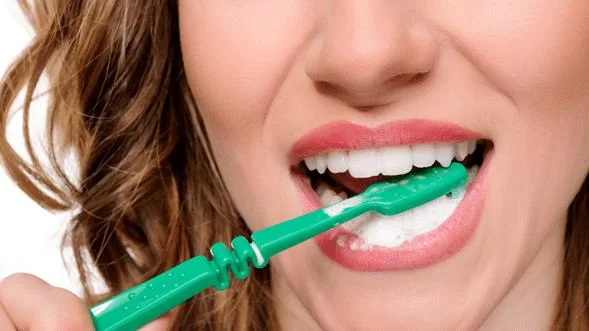
- Brushing Twice a Day: Brushing your teeth for at least two minutes twice a day is essential. Make sure to use a fluoride toothpaste and a soft-bristled toothbrush to effectively remove plaque.
- Flossing Daily: Flossing helps clean between the teeth and along the gum line, areas where your toothbrush may not reach. Daily flossing removes food particles and plaque that could lead to tartar buildup.
- Using Mouthwash: Antibacterial mouthwash helps reduce the bacteria in your mouth and prevents plaque formation. Look for mouthwashes that contain fluoride or those specifically formulated to combat plaque buildup.
- Cleaning Your Tongue: The tongue harbors bacteria, so it's important to brush it gently or use a tongue scraper to remove bacteria and plaque buildup.
These daily habits work together to remove plaque before it can turn into tartar or cause any harm to your gums and teeth.
Foods that Help Prevent Plaque Buildup
Your diet plays an important role in oral health and preventing plaque buildup. While sugary foods and acidic drinks contribute to plaque and tooth decay, there are certain foods that can help maintain clean teeth:
- Crunchy Fruits and Vegetables: Apples, carrots, and celery act as natural scrapers that help remove food particles and plaque from your teeth. These foods also stimulate saliva production, which helps wash away plaque-causing bacteria.
- Cheese and Dairy Products: Dairy products like cheese contain calcium and phosphates, which help neutralize acids in the mouth and strengthen tooth enamel, reducing the risk of plaque buildup.
- Green Tea: Green tea contains polyphenols that can help reduce plaque formation and fight harmful bacteria in the mouth.
- Water: Drinking water, especially after meals, helps rinse away food particles and bacteria that can contribute to plaque buildup.
Incorporating these foods into your diet can support your oral hygiene efforts and help prevent plaque buildup naturally.
Professional Treatments for Plaque Prevention
While daily habits are essential, professional dental care is also crucial in preventing plaque buildup. Dentists recommend regular checkups and cleanings to help keep plaque under control. Professional cleanings remove plaque and tartar that can’t be reached by regular brushing and flossing. Some professional treatments include:
- Scaling and Root Planing: If plaque has hardened into tartar, a professional cleaning treatment called scaling and root planing may be required. This deep cleaning removes tartar from above and below the gum line, preventing gum disease.
- Fluoride Treatments: Fluoride treatments can help strengthen enamel and make your teeth more resistant to plaque and cavities.
- Sealants: Dental sealants are thin coatings applied to the grooves of your back teeth, which help prevent plaque buildup and decay.
Regular visits to your dentist ensure that plaque and tartar are kept under control, keeping your teeth healthy and clean.
Real-Life Experience: A Successful Plaque Prevention Story
Let’s take a look at Sarah, a long-time coffee drinker who struggled with plaque buildup despite brushing regularly. Sarah decided to make changes in her oral hygiene routine, including flossing daily, switching to a fluoride toothpaste, and drinking more water throughout the day. She also added more crunchy fruits and vegetables to her diet. After just a few months, Sarah noticed a significant reduction in plaque buildup and was able to keep her teeth cleaner for longer. Her dentist praised her efforts and recommended she continue with her routine.
Sarah’s story highlights the importance of consistency in dental hygiene and how small changes in daily habits can make a big difference in preventing plaque buildup.






 Dr. Debbie L. Ashida, DDS4.0 (85 review)
 Valley View Dental4.0 (1195 review)
 United Smiles4.0 (66 review)
 Comprehensive Dental Group4.0 (193 review)
 Eden Dental, PC5.0 (1 review)
 Lawndale Christian Health Center Dental Clinic2.0 (34 review)
 The Importance of Oral Health Education During Pregnancy for a Healthy Pregnancy
 Best Tips for Brushing Your Teeth Properly for Healthy Gums: Essential Techniques for Oral Health
 Why Skipping Dental Checkups Can Lead to Bigger Oral Health Problems
 Advantages of Porcelain Dental Restorations
 How Can Diabetes Cause Tooth and Gum Problems? Preventing and Managing Oral Health Issues
 Healthy Habits for Promoting Good Oral Health and Hygiene: Tips for a Healthy Smile