
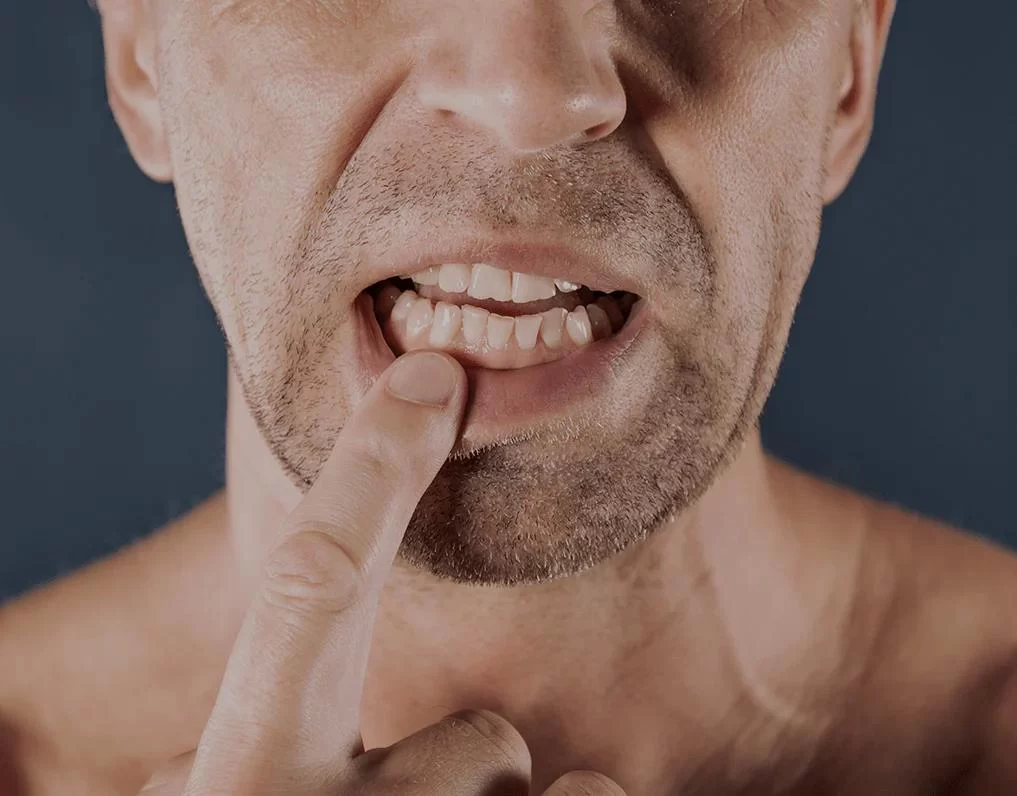
Best Ways to Handle Tooth Pain from Gum Disease: Effective Relief Methods
- Understanding Gum Disease and Its Effects on Tooth Pain
- Why Tooth Pain Occurs with Gum Disease
- Best Ways to Handle Tooth Pain from Gum Disease
- Home Remedies for Gum Disease Tooth Pain Relief
- When to See a Dentist for Gum Disease Tooth Pain
Understanding Gum Disease and Its Effects on Tooth Pain
Gum disease, also known as periodontal disease, affects the tissues that surround and support your teeth. It often starts with gingivitis, the earliest stage of gum disease, which causes inflammation and bleeding of the gums. If left untreated, gingivitis can progress to more severe forms of gum disease, such as periodontitis, where the gums begin to recede, and tooth-supporting structures are damaged.
One of the most common symptoms of gum disease is tooth pain. As the disease progresses, it can lead to painful, sensitive teeth, especially when chewing or biting. This pain can range from mild discomfort to severe, throbbing pain, and it’s important to address it early to prevent further complications.
Why Tooth Pain Occurs with Gum Disease
The pain you feel from gum disease is usually due to the inflammation and infection in the gums, which can spread to the tooth's root and surrounding bone. The bacteria that cause gum disease produce toxins that irritate the gums, leading to swelling and bleeding. Over time, if the infection isn't treated, it can reach deeper into the bone, causing more pain and discomfort.
Additionally, when the gums recede from the teeth, it exposes the sensitive roots of the teeth, which can lead to heightened pain when the tooth comes in contact with hot or cold substances. If left untreated, gum disease can ultimately lead to tooth mobility and tooth loss.
Best Ways to Handle Tooth Pain from Gum Disease
When it comes to managing tooth pain from gum disease, the goal is to reduce inflammation, alleviate pain, and prevent further damage to the gums and teeth. Here are some of the best ways to handle the pain associated with gum disease:
- Maintain Good Oral Hygiene: The first and most important step in relieving pain from gum disease is to keep your mouth clean. Brush your teeth twice a day with fluoride toothpaste, and floss daily to remove plaque and bacteria that may contribute to gum irritation and pain.
- Use an Antiseptic Mouthwash: An antibacterial mouthwash can help reduce plaque buildup and fight the bacteria that cause gum disease. Rinsing with a mouthwash that contains chlorhexidine or essential oils can offer relief and prevent the infection from worsening.
- Apply Cold Compresses: If your tooth pain is caused by inflammation, applying a cold compress to the outside of your cheek can help reduce swelling and numb the area. This provides temporary relief and reduces discomfort.
- Take Over-the-Counter Pain Relievers: Nonsteroidal anti-inflammatory drugs (NSAIDs), such as ibuprofen, can help reduce both pain and inflammation. Follow the recommended dosage, but remember that this is only a temporary solution and doesn’t address the underlying cause.
- Eat Soft Foods: Eating soft foods that don’t require much chewing can help prevent further irritation to your gums and teeth. Avoid hard, crunchy, or spicy foods that could exacerbate pain and discomfort.
Home Remedies for Gum Disease Tooth Pain Relief
Alongside professional treatment, there are several home remedies that can provide relief for tooth pain caused by gum disease:
- Saltwater Rinse: A saltwater rinse is a simple and effective remedy for reducing inflammation and flushing out bacteria from the mouth. Dissolve half a teaspoon of salt in a glass of warm water and swish it around your mouth for 30 seconds before spitting it out.
- Clove Oil: Clove oil has natural analgesic and antibacterial properties that can help soothe gum pain and fight infection. Apply a small amount of clove oil directly to the affected area using a cotton ball.
- Aloe Vera Gel: Aloe vera has anti-inflammatory and healing properties. Applying fresh aloe vera gel to your gums can help reduce irritation and promote healing of the tissues.
Keep in mind that while these remedies can offer temporary relief, they are not a substitute for professional dental treatment.
When to See a Dentist for Gum Disease Tooth Pain
If you’re experiencing tooth pain from gum disease, it’s crucial to consult a dentist as soon as possible. While home remedies and over-the-counter treatments can provide temporary relief, they do not address the root cause of the pain. Only a dentist can assess the severity of your gum disease and recommend the appropriate treatment.
Signs that you should seek immediate dental care include:
- Severe or persistent pain that doesn’t improve with over-the-counter pain relief
- Swelling or abscesses around the gums
- Visible pus or bleeding when brushing or flossing
- Gums that are receding or teeth that feel loose
Early intervention is key to preventing further damage. Your dentist may suggest professional treatments such as scaling and root planing to remove plaque and tartar, or more advanced procedures depending on the severity of your gum disease.
If you’re dealing with tooth pain from gum disease and need expert advice, visit Dentistry Toothtruth for professional guidance and effective products to alleviate gum disease symptoms. Explore the best solutions for gum disease tooth pain relief today!






 South Mississippi Smiles - Gulfport4.0 (454 review)
 Smile For All Family Dental0.0 (0 review)
 Alpha Dental Excellence4.0 (829 review)
 LAKE VISTA DENTISTRY4.0 (207 review)
 River City Orthodontics: Glen Allen5.0 (96 review)
 Dr. Mia L. Ancheta - San Angel Dental3.0 (26 review)
 The Importance of Oral Health Education During Pregnancy for a Healthy Pregnancy
 Best Tips for Brushing Your Teeth Properly for Healthy Gums: Essential Techniques for Oral Health
 Why Skipping Dental Checkups Can Lead to Bigger Oral Health Problems
 Advantages of Porcelain Dental Restorations
 How Can Diabetes Cause Tooth and Gum Problems? Preventing and Managing Oral Health Issues
 Healthy Habits for Promoting Good Oral Health and Hygiene: Tips for a Healthy Smile