
Best Way to Treat Gum Inflammation at Home
- 1. Understanding Gum Inflammation
- 2. Common Causes of Gum Inflammation
- 3. Effective Home Remedies for Gum Inflammation
- 4. When to Seek Professional Help
- 5. Recommended Products for Gum Care
1. Understanding Gum Inflammation
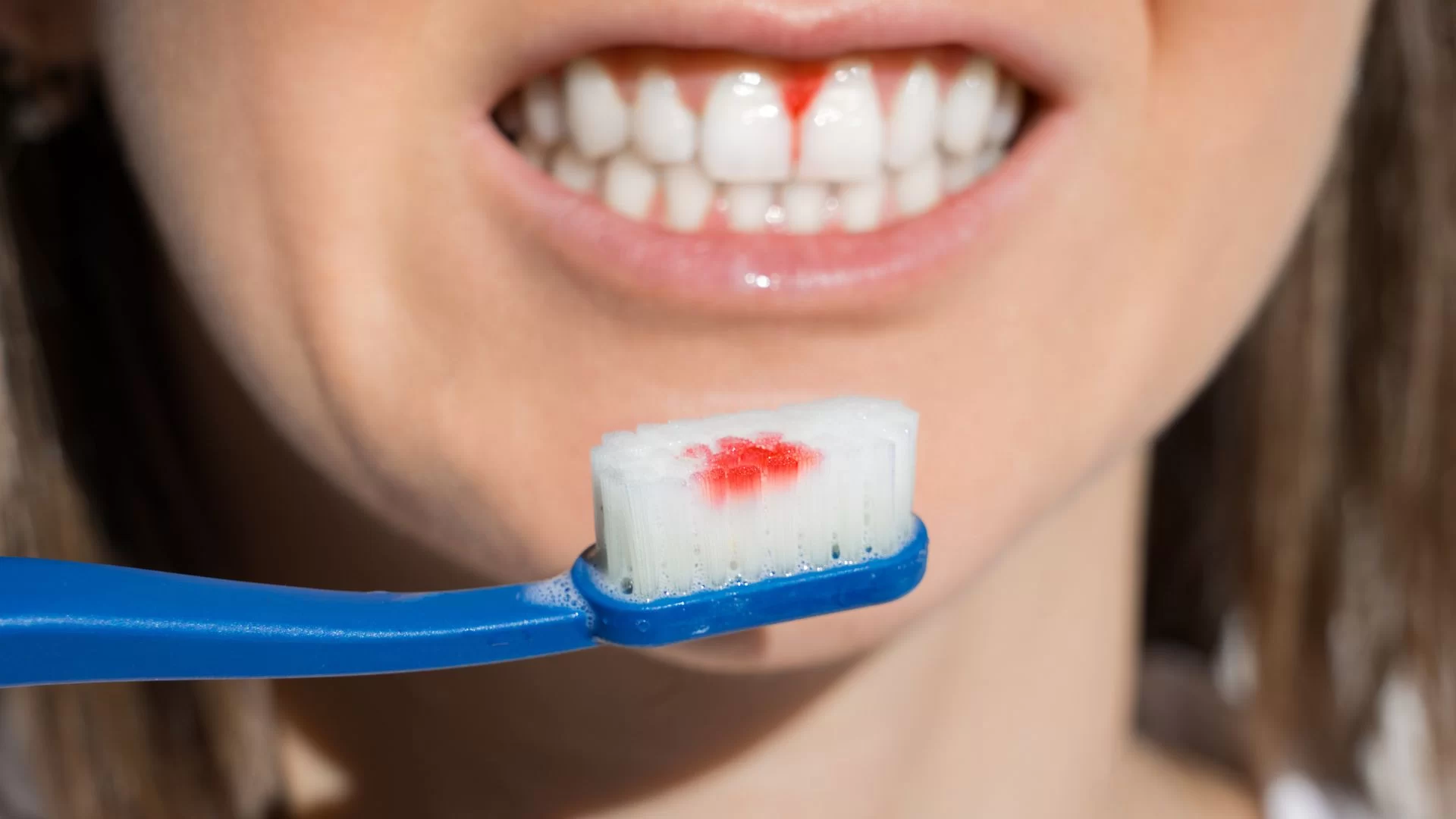
Gum inflammation, also known as gingivitis, is a common dental condition that can cause discomfort and even lead to more serious oral health issues if left untreated. It typically occurs when plaque and bacteria build up on the gums, resulting in swelling, redness, and tenderness. In some cases, gum inflammation can also lead to bleeding, especially when brushing or flossing. Understanding the underlying causes and symptoms of gum inflammation is the first step in treating and preventing it effectively at home.
2. Common Causes of Gum Inflammation
Gum inflammation can be triggered by various factors, most notably poor oral hygiene. When plaque accumulates along the gumline, it irritates the gums, causing them to swell and bleed. Other factors that can contribute to gum inflammation include:
- Smoking and tobacco use
- Hormonal changes (such as pregnancy or menopause)
- Medical conditions, such as diabetes
- Medications that reduce saliva flow
- Improperly fitting dental appliances
Identifying the cause of your gum inflammation is crucial to selecting the right treatment method and preventing future occurrences.
3. Effective Home Remedies for Gum Inflammation
If you're experiencing gum inflammation, there are several effective home remedies you can try to alleviate the discomfort and reduce swelling. Here are some popular methods:
1. Saltwater Rinse
Rinsing your mouth with warm saltwater is a time-tested remedy for gum inflammation. Saltwater helps reduce swelling and kill bacteria, providing relief and promoting healing. Simply dissolve a teaspoon of salt in a glass of warm water and swish it around your mouth for 30 seconds before spitting it out.
2. Aloe Vera
Aloe vera is well-known for its soothing properties. It can help calm inflamed gums and promote healing. You can apply fresh aloe vera gel directly to your gums or rinse your mouth with aloe vera juice to help reduce swelling and discomfort.
3. Essential Oils
Essential oils such as tea tree oil and clove oil have antibacterial properties that can help reduce gum inflammation. Dilute a few drops of essential oil in water and use it as a mouthwash or apply it directly to your gums for relief.
4. Turmeric
Turmeric contains curcumin, an anti-inflammatory compound that can help reduce swelling and pain. Make a paste by mixing turmeric powder with water and apply it to the affected gums, leaving it on for 5 to 10 minutes before rinsing.
4. When to Seek Professional Help
While home remedies can be effective in treating mild gum inflammation, it's important to seek professional help if symptoms persist or worsen. If you experience severe pain, gum recession, or a noticeable change in the appearance of your gums, consult a dentist immediately. They can assess your condition and recommend the best course of treatment, which may include a professional cleaning or medication to address any underlying infections.
5. Recommended Products for Gum Care
For those seeking to improve their gum health and prevent inflammation, investing in high-quality oral care products is essential. Consider the following products to maintain healthy gums:
- Antibacterial Mouthwash: Helps kill bacteria and prevent plaque buildup.
- Electric Toothbrush: Provides a more thorough cleaning than a manual toothbrush, reducing plaque and tartar buildup.
- Gum Care Gel: Specially formulated gels that can soothe inflamed gums and promote healing.
Explore the full range of dental care products at Dentistry Toothtruth to keep your gums in optimal health.



 Lakeview Dental PC4.0 (29 review)
 Omaha Orthodontics5.0 (724 review)
 Dental RI: Dr. Michael Gallucci and Dr. Dawn Gallucci - Dentist in Cranston5.0 (74 review)
 Long Lake Family Dentistry5.0 (247 review)
 Kurtis R. Finley DDS (Palo Alto Endodontic Group)5.0 (5 review)
 Kenton Johnson, DDS5.0 (5 review)
 The Importance of Oral Health Education During Pregnancy for a Healthy Pregnancy
 Best Tips for Brushing Your Teeth Properly for Healthy Gums: Essential Techniques for Oral Health
 Why Skipping Dental Checkups Can Lead to Bigger Oral Health Problems
 Advantages of Porcelain Dental Restorations
 How Can Diabetes Cause Tooth and Gum Problems? Preventing and Managing Oral Health Issues
 Healthy Habits for Promoting Good Oral Health and Hygiene: Tips for a Healthy Smile