
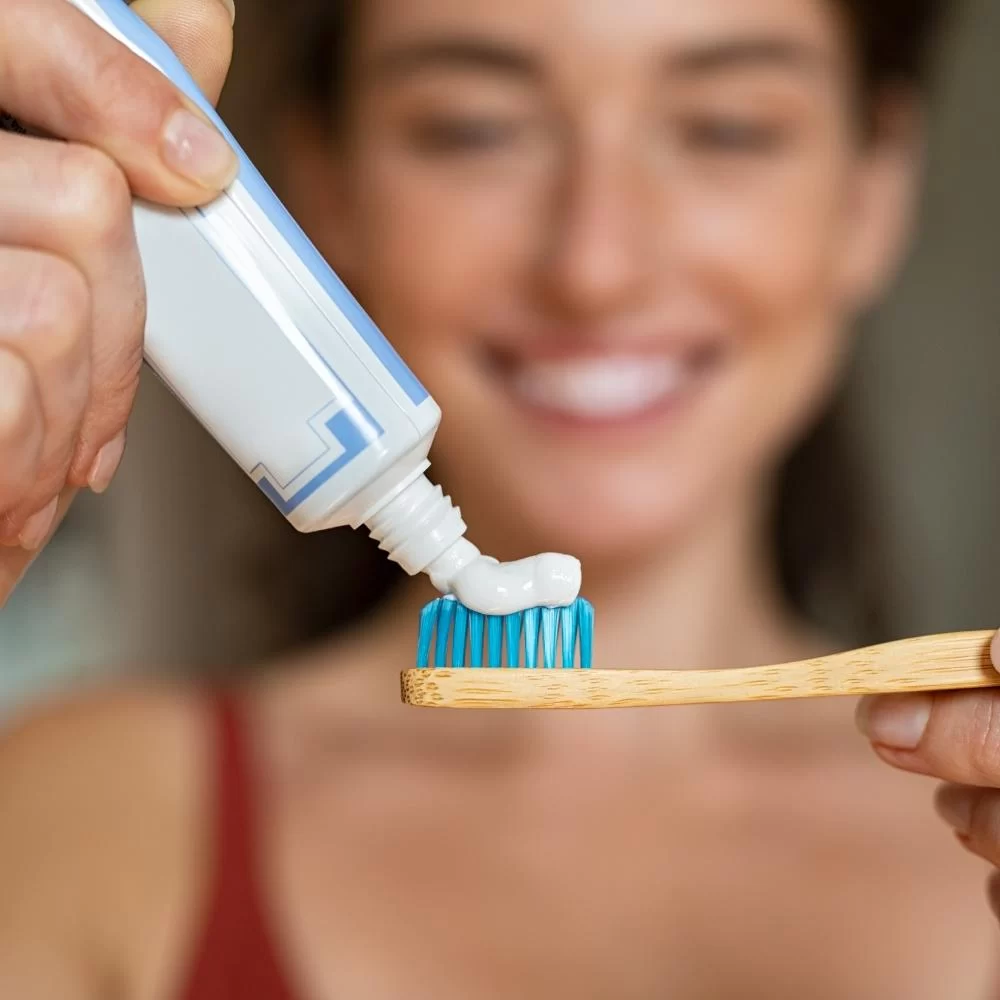
Choosing the Best Toothpaste: Finding the Right One for Your Smile
Choosing the right toothpaste might seem like a simple decision, but after my own journey through a sea of toothpaste options, I quickly realized it’s not so straightforward. For years, I used the same brand of toothpaste without giving it much thought. But after experiencing sensitivity in my teeth, I decided to dig deeper and explore the wide variety of options available. What I found was surprising: there are countless toothpastes tailored to different oral health needs. Let me take you through my experience and help you find the best toothpaste for your own dental care needs.
Why Does Choosing the Right Toothpaste Matter?
When I started paying more attention to my oral health, I learned that the toothpaste I was using could have a big impact on the health of my teeth and gums. Choosing the right toothpaste is more than just about keeping your teeth clean—it plays a crucial role in protecting against cavities, gum disease, and tooth sensitivity. It’s also essential for fresh breath and for achieving the overall oral health you desire. The more I learned about the various formulations of toothpaste, the more I understood that not every toothpaste is right for everyone. It’s about finding the one that aligns with your specific needs.
Types of Toothpaste and What They Do
There are many different kinds of toothpaste available, each formulated to tackle specific oral health issues. Let’s take a closer look at some of the most common types I discovered during my search:
1. Fluoride Toothpaste
Fluoride toothpaste is the most commonly recommended type for general oral health. Fluoride helps prevent cavities by strengthening tooth enamel and making it more resistant to decay. I’ve used fluoride toothpaste for years, and it’s been a reliable choice for maintaining my oral health. The American Dental Association (ADA) recommends fluoride toothpaste because of its proven effectiveness in preventing cavities and promoting overall dental health.
2. Toothpaste for Sensitive Teeth
If you’ve ever experienced discomfort when eating hot or cold foods, you might have sensitive teeth. I certainly know the feeling, especially after eating ice cream or sipping hot coffee. Thankfully, there are toothpastes specifically designed to reduce tooth sensitivity. These toothpastes contain compounds like potassium nitrate or stannous fluoride, which help block the pathways that lead to nerve pain in the teeth. After switching to a toothpaste for sensitive teeth, I noticed a significant reduction in my discomfort, and I could enjoy my favorite foods again without pain.
3. Whitening Toothpaste
For those looking to brighten their smile, whitening toothpaste is a popular choice. These toothpastes often contain mild abrasives or chemical agents that help remove surface stains caused by coffee, tea, or smoking. When I first started using whitening toothpaste, I was skeptical about how much it would actually work. But after consistent use, I noticed a visible improvement in the whiteness of my teeth, though I did have to be cautious not to overuse it to avoid damaging my enamel.
4. Natural Toothpaste
If you’re someone who prefers more natural options, you might want to try natural toothpaste. These formulas often avoid harsh chemicals and artificial ingredients, instead opting for ingredients like baking soda, aloe vera, or essential oils. After switching to a natural toothpaste for a few months, I felt good about using a product that felt gentle on my gums and teeth. I also noticed that my gums felt healthier, though I didn’t get quite the same whitening effect as with traditional toothpaste.
5. Tartar Control Toothpaste
Tartar control toothpaste is designed to help prevent the buildup of tartar, a hardened form of plaque. Tartar can only be removed by a dentist or hygienist, but using tartar control toothpaste helps slow its formation. I’ve used this type of toothpaste to keep my teeth feeling clean and prevent the buildup of plaque along the gumline. It’s especially useful for people who are prone to gum disease, as tartar buildup can lead to gingivitis and other issues.
Understanding Toothpaste Ingredients
While I was researching toothpaste, I quickly realized that it’s not just the type of toothpaste that matters, but also the ingredients it contains. As I dove deeper into the ingredients list, I became more aware of how certain ingredients can benefit—or harm—my teeth. Here are some key ingredients to look for and why they matter:
1. Fluoride
Fluoride is the active ingredient in most toothpastes, and it helps prevent cavities by strengthening tooth enamel. I personally make sure to choose toothpaste with fluoride to protect against tooth decay. However, some people prefer fluoride-free options, either for health reasons or personal preference.
2. Abrasives
Abrasives like hydrated silica or calcium carbonate are common in many toothpastes, including whitening formulas. These ingredients help scrub away surface stains and plaque. While they’re effective, they can sometimes be too harsh, especially for people with sensitive gums. I found that balancing my use of abrasive toothpastes with gentler ones worked best for me.
3. Xylitol
Xylitol is a natural sugar alcohol often used in toothpaste to help reduce the growth of bacteria in the mouth. It’s a great ingredient for promoting oral health, and I found it to be a gentle yet effective addition to my toothpaste. It’s also commonly found in natural toothpaste formulas.
4. SLS (Sodium Lauryl Sulfate)
Sodium lauryl sulfate (SLS) is a foaming agent commonly found in many conventional toothpastes. While it’s not harmful for most people, I personally noticed that SLS caused some irritation to my gums. If you have sensitive gums or are prone to canker sores, it might be worth trying a toothpaste without SLS to see if it makes a difference.
How to Choose the Best Toothpaste for Your Needs
After trying out various kinds of toothpaste and experimenting with different ingredients, I discovered a few tips that helped me narrow down my options:
1. Identify Your Main Concern
Are you concerned about cavities, tooth sensitivity, or whitening? Identifying your main dental concern is the first step in selecting the right toothpaste. Once you know your focus—whether it’s preventing cavities or addressing sensitive teeth—you can choose a product tailored to your needs.
2. Consider Your Personal Preferences
If you prefer natural products or dislike strong flavors, look for toothpaste that aligns with those preferences. Personally, I enjoy the taste of mint but avoid overly strong flavors, so I looked for toothpaste with a mild mint flavor that wasn’t overwhelming.
3. Pay Attention to ADA Approval
When in doubt, I always looked for the American Dental Association (ADA) Seal of Acceptance on my toothpaste. This seal indicates that the toothpaste has met the ADA’s rigorous standards for safety and effectiveness. It gave me peace of mind knowing I was using a trustworthy product.
Conclusion: The Right Toothpaste for a Healthy Smile
Choosing the best toothpaste for your needs is about more than just picking a flavor you like or a brand you recognize. It’s about finding the product that will work best for your oral health goals. Whether you're looking for a fluoride-rich paste to protect against cavities or a gentle formula for sensitive teeth, there's a toothpaste out there that’s perfect for you. After experimenting with different products and discovering what worked best for me, I now have a routine that supports my overall dental health and keeps my smile bright and healthy.
If you’re still unsure which toothpaste is right for you, visit Dentistry Toothtruth for expert advice and recommendations on the best dental products for your specific needs.






 Lakewood Dental Care4.0 (12 review)
 Canton Pediatric Dentistry & Orthodontics4.0 (387 review)
 Precision Dental Partners4.0 (41 review)
 Dentists of South Pasadena4.0 (124 review)
 Plymouth Greene Dental4.0 (263 review)
 Valerie Barba, DDS, FAGD5.0 (218 review)
 The Importance of Oral Health Education During Pregnancy for a Healthy Pregnancy
 Best Tips for Brushing Your Teeth Properly for Healthy Gums: Essential Techniques for Oral Health
 Why Skipping Dental Checkups Can Lead to Bigger Oral Health Problems
 Advantages of Porcelain Dental Restorations
 How Can Diabetes Cause Tooth and Gum Problems? Preventing and Managing Oral Health Issues
 Healthy Habits for Promoting Good Oral Health and Hygiene: Tips for a Healthy Smile