
- 1. Understanding Plaque and Its Effects
- 2. Why the Right Toothbrush Matters for Plaque Control
- 3. Top Toothbrushes for Plaque Control
- 4. Tips for Effectively Controlling Plaque
- 5. When to Consult a Dentist About Plaque
1. Understanding Plaque and Its Effects
Plaque is a sticky, colorless film of bacteria that forms on your teeth, primarily caused by food particles and saliva. If left untreated, plaque can lead to a variety of dental issues, including cavities, gum disease, and bad breath. It’s important to regularly remove plaque through effective brushing and dental care habits to avoid these complications.
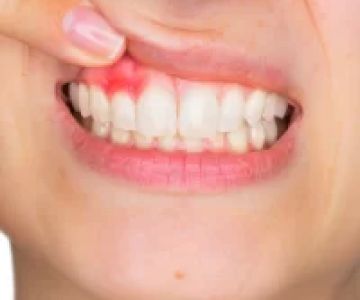
When plaque hardens into tartar, it becomes much more difficult to remove and may require professional cleaning. In addition, plaque buildup can result in inflammation of the gums, causing gingivitis, which can progress to more serious periodontal disease if not addressed in time. This is why controlling plaque is so vital for long-term oral health.
2. Why the Right Toothbrush Matters for Plaque Control
The type of toothbrush you use plays a critical role in controlling plaque. Not all toothbrushes are created equal when it comes to plaque removal. A toothbrush with the right bristles, design, and brushing action will help ensure that you can effectively remove plaque from all areas of your mouth.
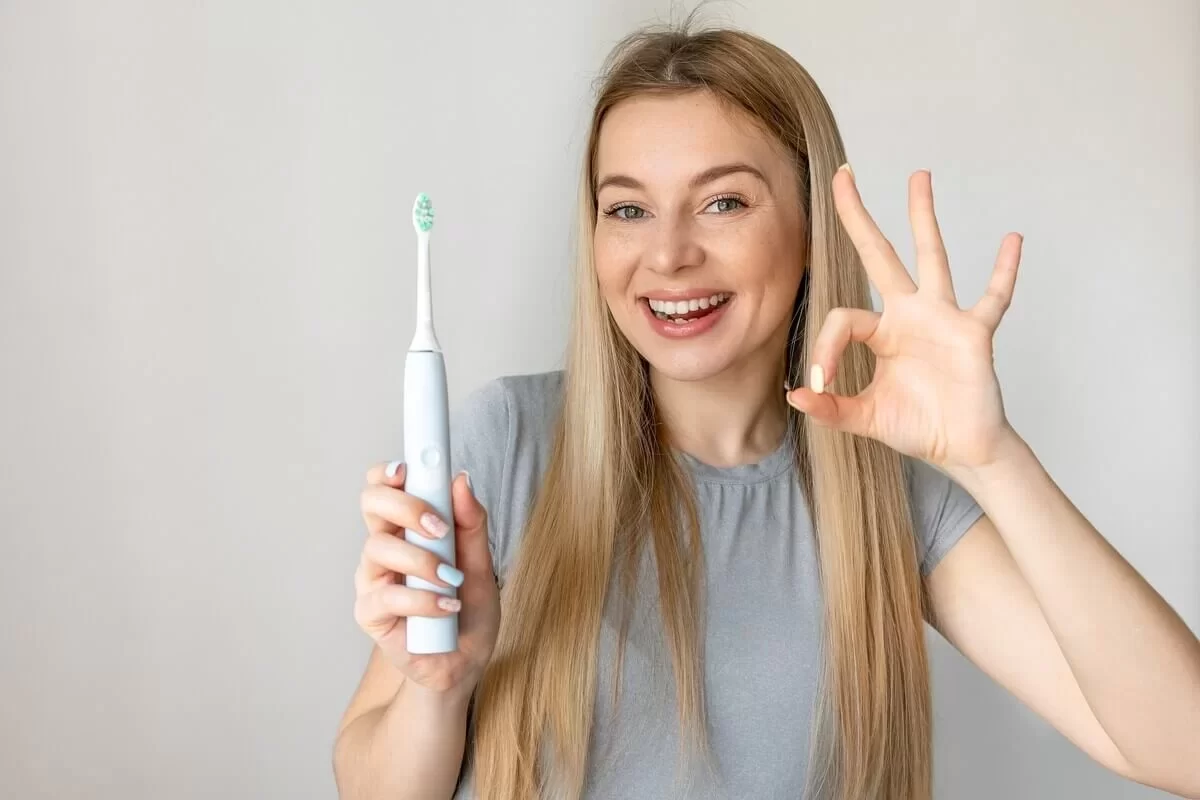
Manual toothbrushes can be effective if used correctly, but many people find it easier to clean their teeth more thoroughly with an electric toothbrush. Electric toothbrushes, with their oscillating or vibrating bristles, can provide more consistent pressure and reach areas that are hard to access, making them a popular choice for plaque control.
3. Top Toothbrushes for Plaque Control
There are many toothbrushes available designed specifically for plaque control. Here are some of the best options to consider when choosing the right toothbrush for plaque removal:
3.1 Philips Sonicare HealthyWhite Plus
The Philips Sonicare HealthyWhite Plus is a top-rated electric toothbrush that helps remove plaque and stains. Its sonic technology allows the bristles to move at high speeds, effectively cleaning areas where plaque tends to accumulate. It also features a timer to ensure you brush for the recommended two minutes, with special modes that focus on plaque control and teeth whitening.
3.2 Oral-B Pro 1000
The Oral-B Pro 1000 is a well-regarded electric toothbrush with a simple design but powerful plaque-removal capabilities. It features a 3D cleaning action that pulsates, rotates, and oscillates to break up and remove plaque. It’s perfect for users looking for an affordable yet effective toothbrush for daily plaque control.
3.3 Colgate Smart 360
For those who want an advanced brushing experience, the Colgate Smart 360 is a great option. It comes with smart sensors that guide your brushing technique, ensuring you cover all areas and remove as much plaque as possible. The built-in timer and pressure sensor help users avoid brushing too hard, which can damage gums and enamel.
4. Tips for Effectively Controlling Plaque
While the right toothbrush is essential, there are other important factors to consider for effective plaque control:
4.1 Brush Twice a Day
The American Dental Association recommends brushing your teeth at least twice a day—once in the morning and once before bed. Brushing regularly helps remove plaque buildup and prevents it from turning into tartar. It’s important to use the correct brushing technique, gently moving the brush in circular motions to clean the surface of each tooth.
4.2 Use Adequate Fluoride Toothpaste
Fluoride toothpaste helps remineralize teeth and prevent decay, which is especially important when fighting plaque buildup. Make sure to choose a toothpaste that is approved by dental associations and includes fluoride to effectively protect your enamel and prevent cavities.
4.3 Floss Daily
Brushing alone isn’t enough to remove plaque from between your teeth. Daily flossing helps remove trapped food particles and plaque from the tight spaces between your teeth, preventing further buildup and gum disease.
5. When to Consult a Dentist About Plaque
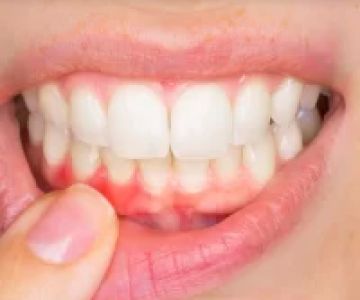
While regular brushing and flossing go a long way in controlling plaque, it’s also important to see a dentist regularly for professional cleanings. A dentist can identify early signs of plaque buildup, provide deep cleaning treatments, and offer advice on how to improve your oral hygiene routine. If you notice any signs of gum disease, such as redness, swelling, or bleeding gums, consult your dentist for further treatment.
For personalized recommendations on toothbrushes and plaque control, visit Dentistry Toothtruth for expert guidance and product recommendations tailored to your dental needs.


 Robert S. Radin, DDS4.0 (2 review)
 Family Dentistry of Westford4.0 (19 review)
 Brenda Evans Louka DDS (San Bernardino, CA)3.0 (17 review)
 All Family Dental and Braces4.0 (689 review)
 Long Beach Dental Arts, PC5.0 (2 review)
 Middletown Family Dental | Dentist in Middletown RI | DMD4.0 (247 review)
 The Importance of Oral Health Education During Pregnancy for a Healthy Pregnancy
 Best Tips for Brushing Your Teeth Properly for Healthy Gums: Essential Techniques for Oral Health
 Why Skipping Dental Checkups Can Lead to Bigger Oral Health Problems
 Advantages of Porcelain Dental Restorations
 How Can Diabetes Cause Tooth and Gum Problems? Preventing and Managing Oral Health Issues
 Healthy Habits for Promoting Good Oral Health and Hygiene: Tips for a Healthy Smile