
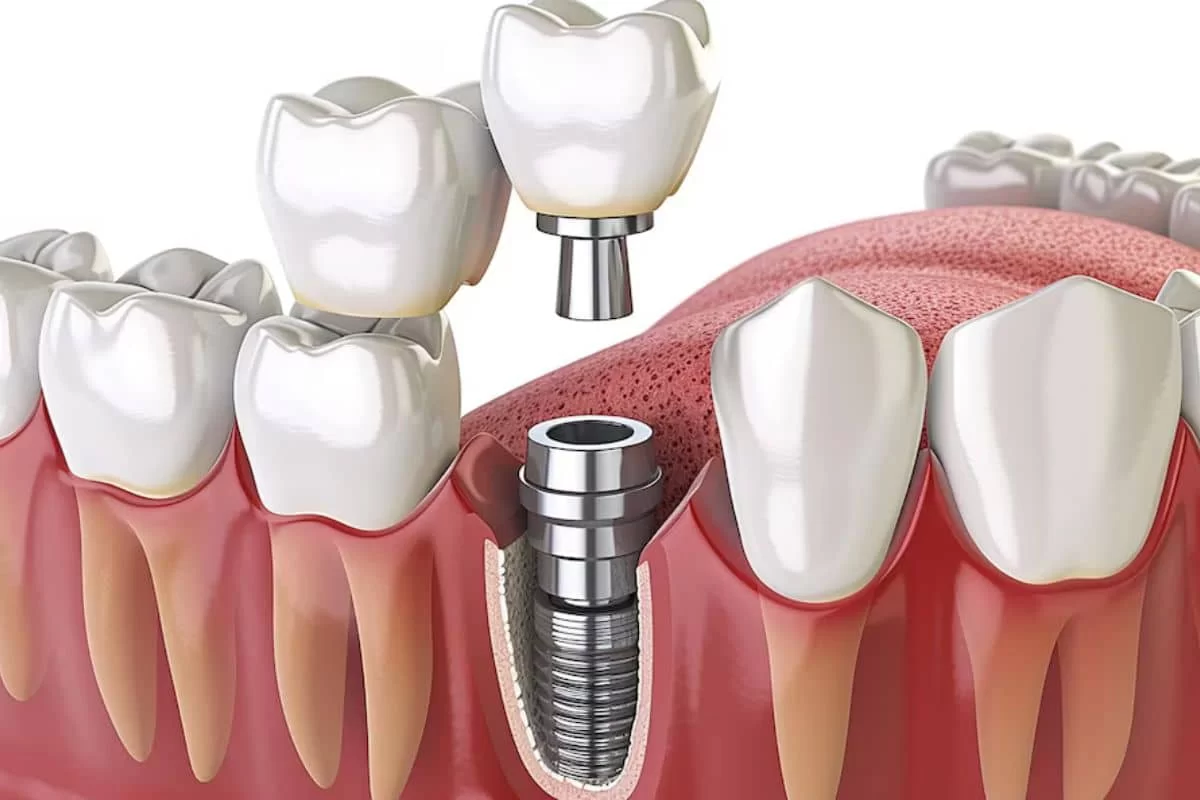
Best Practices for Maintaining Your Dental Implants: Essential Tips for Longevity and Care
- 1. Introduction: Why Proper Implant Maintenance is Crucial
- 2. Why Implant Maintenance Matters for Longevity
- 3. Daily Care for Your Dental Implants
- 4. Importance of Regular Dental Checkups
- 5. Avoiding Common Issues with Dental Implants
- 6. Lifestyle Tips for Long-Term Implant Health
1. Introduction: Why Proper Implant Maintenance is Crucial
Dental implants are a life-changing solution for individuals with missing teeth, offering both functional and aesthetic benefits. However, like natural teeth, dental implants require proper care to ensure they last a lifetime. Without proper maintenance, implants can face complications such as infections, implant failure, or gum disease. In this article, we’ll cover the best practices for maintaining your dental implants to ensure their longevity and keep your smile looking and feeling great.
2. Why Implant Maintenance Matters for Longevity
Maintaining your dental implants is not just about keeping them clean—it's about protecting the health of your gums and surrounding bone structure. Implants fuse with your jawbone through a process called osseointegration, and improper care can jeopardize this bond. If neglected, bacteria buildup can lead to gum infections or peri-implantitis (inflammation around the implant), potentially causing implant failure. Proper maintenance ensures that your implants function optimally and that you maintain healthy gum tissue around them.
Just like natural teeth, implants are prone to wear and tear. Regular care prevents these issues and enhances the overall lifespan of your dental implants.
3. Daily Care for Your Dental Implants
Proper daily care is key to maintaining your dental implants and ensuring they stay free from bacteria and plaque buildup. Here are the best practices for daily care:
- Brushing: Brush your implants twice a day with a soft-bristled toothbrush and non-abrasive toothpaste. This prevents plaque from accumulating and keeps your gums healthy.
- Flossing: Use special implant floss or a floss threader to clean between your implants and around the gumline. This helps remove food particles and bacteria that can lead to infection.
- Using an antimicrobial mouthwash: Rinse with a mouthwash that’s designed for implants to reduce bacteria in your mouth and prevent gum disease.
- Avoid hard foods: Hard foods can damage or crack the materials around your implants. It’s best to avoid chewing on hard objects such as ice, popcorn kernels, or hard candies.
Establishing a daily routine of brushing, flossing, and rinsing will protect your dental implants and help maintain the health of your gums and surrounding tissues.
4. Importance of Regular Dental Checkups
Even though dental implants are durable, regular checkups with your dentist are essential to monitor the condition of both the implants and the surrounding tissues. During these visits, your dentist will examine your implants for signs of wear, infection, or bone loss. X-rays may also be taken to check the health of your jawbone and ensure the implant is properly integrated.
Regular cleanings are also important, as a professional dental hygienist can remove any buildup that may be difficult to remove at home. Your dentist may also recommend additional treatments, such as fluoride applications or sealants, to help protect your implants.
Make sure to schedule checkups every 6 to 12 months to ensure your implants are healthy and your oral hygiene routine is effective.
5. Avoiding Common Issues with Dental Implants
Dental implants can last for many years, but it’s important to know the potential issues that can arise and how to prevent them:
- Implant failure: Although rare, dental implants can fail if not cared for properly. Ensure that you follow your dentist’s aftercare instructions and avoid biting on hard or sticky foods that could damage the implant.
- Peri-implantitis: This is an infection around the implant that can cause inflammation and bone loss. To prevent peri-implantitis, maintain excellent oral hygiene, avoid smoking, and attend regular checkups.
- Implant movement: If you notice any movement or loosening of your implant, seek immediate attention from your dentist. It could indicate an issue with the implant or its integration with the bone.
Being proactive and staying aware of potential issues will help you catch problems early and avoid expensive or uncomfortable treatments down the line.
6. Lifestyle Tips for Long-Term Implant Health
In addition to your daily care routine and regular checkups, certain lifestyle habits can contribute to the long-term health of your dental implants. Here are some tips:
- Avoid smoking: Smoking can interfere with the healing process and increase the risk of gum disease around implants. If possible, quit smoking or reduce your tobacco use.
- Eat a balanced diet: A healthy diet rich in vitamins and minerals helps promote oral health and strengthens the bones and gums around your implants.
- Protect your implants during physical activities: If you play contact sports or grind your teeth, consider wearing a mouthguard to prevent damage to your implants.
- Limit sugary foods: Sugary foods and drinks can contribute to plaque buildup and increase the risk of gum disease. Stick to a balanced diet and drink plenty of water.
By incorporating these lifestyle habits into your daily routine, you can ensure the long-term success of your dental implants and enjoy a beautiful, healthy smile for years to come.
If you're interested in learning more about the best practices for maintaining your dental implants or need assistance with your oral care routine, visit Dentistry Toothtruth for expert advice and resources to help keep your implants in optimal condition.






 Dental Solutions of Roxborough4.0 (219 review)
 Town Dental - Excelsior4.0 (52 review)
 Dr. Kimmy4.0 (111 review)
 Buttacavoli Dental Arts5.0 (16 review)
 Metro Dentalcare West St. Paul4.0 (125 review)
 Corona Hills Modern Dentistry and Orthodontics4.0 (137 review)
 The Importance of Oral Health Education During Pregnancy for a Healthy Pregnancy
 Best Tips for Brushing Your Teeth Properly for Healthy Gums: Essential Techniques for Oral Health
 Why Skipping Dental Checkups Can Lead to Bigger Oral Health Problems
 Advantages of Porcelain Dental Restorations
 How Can Diabetes Cause Tooth and Gum Problems? Preventing and Managing Oral Health Issues
 Healthy Habits for Promoting Good Oral Health and Hygiene: Tips for a Healthy Smile