
Best Practices for Maintaining Your Dental Implants: Essential Tips for Long-Lasting Results
- Why Dental Implant Care Matters
- Daily Care for Dental Implants
- Professional Maintenance for Dental Implants
- Common Mistakes to Avoid with Dental Implants
- Long-Term Care and Maintenance of Implants
Why Dental Implant Care Matters
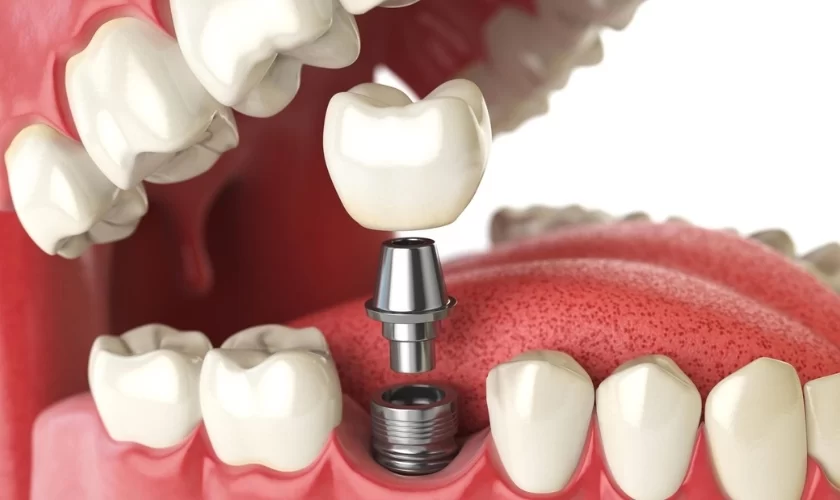
Dental implants are a long-lasting and effective solution for missing teeth, but like natural teeth, they require proper care to function optimally. Without the right maintenance, dental implants can become prone to complications such as gum disease, implant failure, or loosening. Proper care not only ensures your implants last longer but also helps preserve the health of your surrounding gums and bones.
Daily Care for Dental Implants
Just like your natural teeth, dental implants require regular cleaning and maintenance. Here’s how to keep them in excellent condition:
1. Brush Twice a Day
Brushing your dental implants twice daily with a soft-bristled toothbrush and non-abrasive toothpaste is essential. This removes food particles and plaque, reducing the risk of infection and gum inflammation around the implant. Avoid using hard-bristled brushes or abrasive toothpaste, as these can damage the implant surface.
2. Flossing
Flossing is crucial to prevent plaque buildup between the implant and surrounding teeth. Use a floss designed for dental implants or a special interdental brush to clean between the implant and your natural teeth. Regular flossing can help maintain gum health and prevent peri-implantitis, a common complication around implants.
3. Use Mouthwash
Rinsing with an antibacterial mouthwash helps reduce bacteria in the mouth, contributing to the overall health of your implants. Choose an alcohol-free mouthwash that’s gentle on your gums and implants.
Professional Maintenance for Dental Implants
Regular visits to your dentist or dental hygienist are essential for the health of your dental implants. Here’s why:
1. Routine Check-Ups
Dental check-ups are important for monitoring the condition of your implants. During your visit, the dentist will check for signs of implant failure, gum health, and overall function. They will also ensure the implant is secure and not showing any signs of movement.
2. Professional Cleaning
A professional cleaning ensures that plaque and tartar are thoroughly removed from your implants and surrounding teeth. This step is crucial for preventing gum disease and ensuring your implants stay clean and healthy. Your dentist may use special tools that are safe for your implants, ensuring no damage occurs during cleaning.
Common Mistakes to Avoid with Dental Implants
There are several mistakes that can compromise the lifespan of your dental implants. Be aware of these common pitfalls and how to avoid them:
1. Neglecting Oral Hygiene
Poor oral hygiene is one of the leading causes of complications with dental implants. Failing to brush and floss regularly can lead to plaque buildup, gum infections, and even implant failure. Make oral hygiene a priority in your daily routine to protect your investment.
2. Smoking
Smoking can hinder the healing process and negatively affect the long-term success of dental implants. The toxins in cigarette smoke can impair blood flow to the gums and bone, which are essential for the stability of the implant. If you smoke, consider quitting or reducing your intake to improve the lifespan of your implants.
3. Biting Hard Foods
Dental implants are durable, but they’re not invincible. Avoid biting into hard foods like ice, nuts, or hard candies, which can cause fractures or damage to your implants. Be cautious with overly sticky or chewy foods, as they can also stress the implant.
Long-Term Care and Maintenance of Implants
Long-term care is crucial to ensure the longevity of your dental implants. These practices will help keep your implants in optimal condition for years to come:
1. Avoid Teeth Grinding
If you grind your teeth, consider wearing a nightguard to protect your implants from excessive pressure. Teeth grinding can wear down the surface of your implants and put stress on the surrounding teeth and gums.
2. Stay Hydrated
Keeping your mouth hydrated helps maintain overall oral health, including the health of your implants. Drink plenty of water throughout the day to prevent dry mouth and ensure that your gums and implants stay healthy.
3. Follow Up on Any Discomfort
If you experience any discomfort or unusual sensations with your implants, don’t hesitate to contact your dentist. Early intervention can prevent small issues from becoming bigger problems.
Dental implants are a significant investment in your smile and overall health. By following these best practices for maintaining your dental implants, you can enjoy a confident, healthy smile for many years to come. If you’re looking for more tips or need assistance with your implants, visit Dentistry Toothtruth for expert guidance and care.






 Great Expressions Dental Centers - Peachtree City4.0 (406 review)
 Cedarwood Dentistry5.0 (418 review)
 Methuen Family Dentistry4.0 (170 review)
 Signature Smile P.C.4.0 (611 review)
 First Choice Dental- Madison East4.0 (289 review)
 Well Child Center3.0 (11 review)
 The Importance of Oral Health Education During Pregnancy for a Healthy Pregnancy
 Best Tips for Brushing Your Teeth Properly for Healthy Gums: Essential Techniques for Oral Health
 Why Skipping Dental Checkups Can Lead to Bigger Oral Health Problems
 Advantages of Porcelain Dental Restorations
 How Can Diabetes Cause Tooth and Gum Problems? Preventing and Managing Oral Health Issues
 Healthy Habits for Promoting Good Oral Health and Hygiene: Tips for a Healthy Smile