
Best Practices for Brushing Your Teeth at Home: Expert Tips for Optimal Oral Hygiene
- Why Proper Tooth Brushing Matters
- Choosing the Right Toothbrush and Toothpaste
- How to Brush Your Teeth Correctly
- Ideal Brushing Techniques and Tips
- The Best Time to Brush Your Teeth
- Maintaining Your Toothbrush
- Common Brushing Mistakes to Avoid
- Explore More Oral Care Solutions
1. Why Proper Tooth Brushing Matters
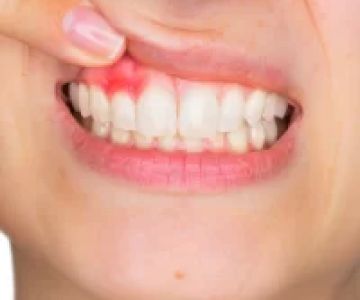
Brushing your teeth may seem like a simple daily task, but it is the foundation of good oral hygiene. Proper brushing removes food particles, plaque, and harmful bacteria that cause tooth decay and gum disease. If done incorrectly or too infrequently, these problems can lead to cavities, gum inflammation, and even tooth loss. Regular brushing helps keep your teeth clean, your breath fresh, and your gums healthy.
While brushing at home is essential, it’s important to understand that brushing is just one part of a larger oral care routine. Along with brushing, regular flossing and professional dental checkups are crucial for maintaining long-term oral health.
2. Choosing the Right Toothbrush and Toothpaste
To maximize the benefits of your brushing routine, selecting the right toothbrush and toothpaste is key. Here’s what to consider:
2.1 Toothbrush Selection
Your toothbrush should have soft bristles to avoid damaging your gums and enamel. Hard bristles can cause irritation and wear down tooth enamel over time. Choose a toothbrush with a head that fits comfortably in your mouth to reach all areas of your teeth easily. There are manual and electric toothbrush options, but both can be effective if used correctly.
2.2 Toothpaste Choice
When selecting toothpaste, look for a product that contains fluoride. Fluoride strengthens tooth enamel and helps prevent cavities. If you have specific oral concerns, such as sensitivity, tartar control, or whitening, choose a toothpaste formulated to address these needs.
3. How to Brush Your Teeth Correctly
Brushing your teeth properly is crucial for effective plaque removal and oral health maintenance. Here are the steps to follow for the best brushing technique:
3.1 Position the Brush at a 45-Degree Angle
Hold the toothbrush at a 45-degree angle to your gums. Gently move the brush back and forth in short strokes, making sure to clean both the outer and inner surfaces of each tooth. A gentle brushing motion is more effective than using excessive pressure, which can damage your gums and enamel.
3.2 Brush the Chewing Surfaces
Brush the flat chewing surfaces of your molars using a gentle scrubbing motion. This helps remove food particles and bacteria that can lead to decay.
3.3 Don’t Forget the Inside Surfaces
Brush the inner surfaces of your teeth, using the same gentle back-and-forth motion. Pay extra attention to the inside of your front teeth by tilting the brush vertically and using short strokes.
3.4 Brush Your Tongue
Many people forget to brush their tongue, which can harbor bacteria and cause bad breath. Gently brush your tongue or use a tongue scraper to remove buildup and keep your breath fresh.
4. Ideal Brushing Techniques and Tips
To make the most of your brushing routine, incorporate these additional techniques and tips:
4.1 Brush for Two Minutes
Brushing for at least two minutes ensures that all areas of your mouth are thoroughly cleaned. Set a timer or use an electric toothbrush with a built-in timer to keep track of your brushing time.
4.2 Brush Twice a Day
Brush your teeth at least twice a day—once in the morning and once before bed. Brushing before bed removes food particles and plaque that accumulate throughout the day, and brushing in the morning helps to remove bacteria that build up overnight.
4.3 Replace Your Toothbrush Regularly
Replace your toothbrush every 3 to 4 months, or sooner if the bristles are frayed. A worn-out toothbrush is less effective at cleaning your teeth.
5. The Best Time to Brush Your Teeth
While it’s essential to brush twice a day, timing matters. Brushing immediately after meals can be counterproductive, especially after eating acidic foods, as it can lead to enamel erosion. Wait at least 30 minutes after eating before brushing your teeth. This allows your enamel to re-mineralize and protects it from damage.
6. Maintaining Your Toothbrush
Your toothbrush needs regular care to remain effective. After each use, rinse your toothbrush thoroughly to remove toothpaste and debris. Store it upright in a dry area, and avoid covering the bristles, as this can encourage bacterial growth. Regularly inspect your toothbrush for signs of wear and replace it when necessary.
7. Common Brushing Mistakes to Avoid
Even with the best intentions, many people make mistakes when brushing their teeth. Here are some common errors to avoid:
7.1 Brushing Too Hard
Brushing too aggressively can damage your gums and wear down enamel. Always brush gently to avoid irritation.
7.2 Not Reaching All Areas
Many people miss certain areas of their mouth, especially the back teeth. Make sure to brush all surfaces, including the hard-to-reach areas at the back of the mouth.
7.3 Not Replacing the Toothbrush in Time
A worn-out toothbrush is ineffective at cleaning your teeth. Replace your toothbrush regularly to ensure it works properly.
8. Explore More Oral Care Solutions
For more tips on home oral care, and to find high-quality toothbrushes and toothpaste, visit Dentistry Toothtruth. Discover expert advice, product recommendations, and more for maintaining your best smile.

 Nice Dental Care4.0 (24 review)
 Smile Reef Pediatric Dentistry5.0 (10 review)
 Surya P. Dhakar DDS, PC4.0 (250 review)
 Highland Dental Clinic: Dr. Robert Klein5.0 (7 review)
 McCartin Christopher DMD5.0 (118 review)
 Craig Q Adams, DMD5.0 (55 review)
 The Importance of Oral Health Education During Pregnancy for a Healthy Pregnancy
 Best Tips for Brushing Your Teeth Properly for Healthy Gums: Essential Techniques for Oral Health
 Why Skipping Dental Checkups Can Lead to Bigger Oral Health Problems
 Advantages of Porcelain Dental Restorations
 How Can Diabetes Cause Tooth and Gum Problems? Preventing and Managing Oral Health Issues
 Healthy Habits for Promoting Good Oral Health and Hygiene: Tips for a Healthy Smile