
Best Dental Practices for Maintaining Healthy Gums: Essential Tips for a Strong Smile
- Understanding Gum Health and Its Importance
- Effective Brushing Techniques for Healthy Gums
- The Importance of Flossing for Gum Care
- Using Mouthwash to Enhance Gum Health
- Maintaining a Healthy Diet for Healthy Gums
- Real-Life Stories: Successful Gum Care Practices
- Professional Dental Care and Its Role in Gum Health
- Conclusion: Protecting Your Gums with Consistent Care
Understanding Gum Health and Its Importance
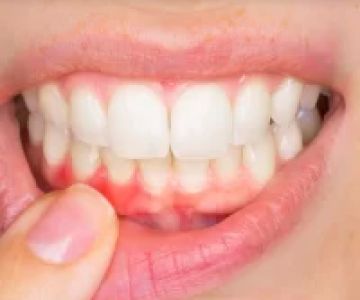
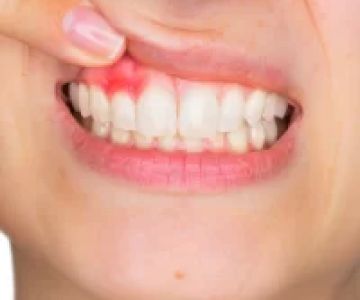
Healthy gums are the foundation of a healthy smile. Gum disease is one of the leading causes of tooth loss worldwide, but it is largely preventable with the right dental practices. Gums play a critical role in supporting your teeth and protecting your oral health. Poor gum health can lead to gum disease, tooth decay, and other oral health issues, making it essential to incorporate effective dental practices into your routine.
In this article, we’ll explore the best dental practices for maintaining healthy gums, from brushing techniques to dietary habits, so you can prevent gum disease and enjoy a strong, vibrant smile.
Effective Brushing Techniques for Healthy Gums
Brushing your teeth properly is one of the most important steps in maintaining healthy gums. While brushing may seem like a simple task, using the correct technique is essential for preventing gum disease. Here’s how you can improve your brushing routine:
- Use a Soft-Bristled Toothbrush: A soft-bristled toothbrush is gentle on the gums and effective at removing plaque without causing irritation. Avoid hard-bristled brushes, as they can damage your gums over time.
- Brush at a 45-Degree Angle: Position your toothbrush at a 45-degree angle to your gum line. This allows you to remove plaque along the gum line, where bacteria often accumulate.
- Don’t Brush Too Hard: Brushing too hard can cause gum recession and damage the enamel on your teeth. Use gentle, circular motions to clean your teeth and gums.
- Brush for Two Minutes: Ensure that you brush your teeth for at least two minutes, twice a day, to effectively clean your teeth and gums.
Brushing your teeth correctly is a simple but powerful way to maintain healthy gums and prevent gum disease.
The Importance of Flossing for Gum Care
Flossing is an essential part of maintaining healthy gums, yet it’s often overlooked. While brushing removes plaque from the surface of your teeth, flossing is necessary to clean between your teeth and along the gum line. This is where plaque can accumulate and lead to gum disease if not removed regularly.
Here are some reasons why flossing is crucial for gum health:
- Reduces Plaque and Bacteria: Flossing helps remove food particles and plaque between your teeth, preventing the buildup of harmful bacteria that can cause gum inflammation.
- Prevents Gum Disease: Regular flossing helps reduce the risk of gingivitis and periodontitis by keeping your gums clean and healthy.
- Improves Gum Health: Flossing promotes better circulation in the gums, which can help maintain their strength and prevent infection.
Make it a habit to floss at least once a day, ideally before bedtime, to ensure that your gums stay healthy and free from plaque buildup.
Using Mouthwash to Enhance Gum Health
Mouthwash can be a valuable addition to your daily oral care routine. While it should not replace brushing or flossing, using a mouthwash can help eliminate bacteria, freshen your breath, and reduce gum inflammation.
Look for a mouthwash that contains antibacterial ingredients, such as chlorhexidine or essential oils, which can help fight plaque and gingivitis. Rinse with mouthwash after brushing and flossing to enhance your gum care and keep your mouth feeling fresh.
Maintaining a Healthy Diet for Healthy Gums
A balanced diet plays a significant role in gum health. Foods rich in vitamins and minerals, especially vitamin C, can help maintain strong gums and prevent gum disease. Some foods to incorporate into your diet for optimal gum health include:
- Leafy Greens: Rich in vitamin C, leafy greens help reduce gum inflammation and promote gum tissue repair.
- Oranges and Strawberries: These fruits are packed with vitamin C, which is essential for collagen production and gum health.
- Carrots and Celery: These crunchy vegetables help stimulate saliva production and naturally clean your teeth, which can reduce the buildup of plaque.
- Green Tea: Green tea contains antioxidants that can reduce inflammation and promote gum health.
A diet rich in these nutrient-packed foods can provide your gums with the essential nutrients they need to stay healthy and strong.
Real-Life Stories: Successful Gum Care Practices
Many individuals have shared their success stories of maintaining healthy gums through proper dental practices. For example, Emily, a longtime sufferer of gum inflammation, started using the correct brushing technique and flossing regularly. Within a few weeks, her gums felt less swollen, and the bleeding stopped. "I never realized how much a difference the right technique could make," Emily says.
Similarly, Mark, who was diagnosed with early-stage gum disease, followed a combination of proper brushing, flossing, and mouthwash use. After a few months, his gum health improved significantly. "I’m amazed at how my gums healed just by sticking to a good routine," he shares.
These real-life stories highlight the importance of consistent dental practices in achieving and maintaining healthy gums.
Professional Dental Care and Its Role in Gum Health
While at-home care is essential, regular visits to your dentist are also crucial for maintaining healthy gums. A dentist or periodontist can perform deep cleanings, identify early signs of gum disease, and provide treatment options to ensure your gums stay healthy.
Professional cleanings remove plaque and tartar that can't be eliminated by brushing and flossing alone, and your dentist can offer personalized advice on how to care for your gums effectively. Regular dental checkups are key to preventing gum disease and maintaining overall oral health.
Conclusion: Protecting Your Gums with Consistent Care
Maintaining healthy gums is essential for your overall oral health, and by incorporating the best dental practices into your daily routine, you can prevent gum disease and keep your gums strong. Brushing, flossing, using mouthwash, and eating a balanced diet are all simple yet effective ways to protect your gums.
If you're serious about maintaining healthy gums, visit Dentistry Toothtruth for expert advice and top-rated products to support your gum care routine.




 Lafayette Hill Family Dentistry4.0 (5 review)
 Dr. Amy James & Associates Orthodontists4.0 (179 review)
 Equitas Health Short North Medical Center3.0 (96 review)
 Lindgren Dental Care4.0 (486 review)
 Community Health Center of Snohomish County - Everett-North Clinic4.0 (960 review)
 Think Better Life - Orofacial Pain, TMJ & Sleep Disorder Solutions Chicago4.0 (11 review)
 The Importance of Oral Health Education During Pregnancy for a Healthy Pregnancy
 Best Tips for Brushing Your Teeth Properly for Healthy Gums: Essential Techniques for Oral Health
 Why Skipping Dental Checkups Can Lead to Bigger Oral Health Problems
 Advantages of Porcelain Dental Restorations
 How Can Diabetes Cause Tooth and Gum Problems? Preventing and Managing Oral Health Issues
 Healthy Habits for Promoting Good Oral Health and Hygiene: Tips for a Healthy Smile