
Benefits of Orthodontic Retainers: Why Retainers Are Essential for Long-term Dental Health
- 1. What Are Orthodontic Retainers?
- 2. The Importance of Retainers After Braces
- 3. Types of Orthodontic Retainers
- 4. How Retainers Help Maintain Your Smile
- 5. Tips for Proper Care of Orthodontic Retainers
1. What Are Orthodontic Retainers?
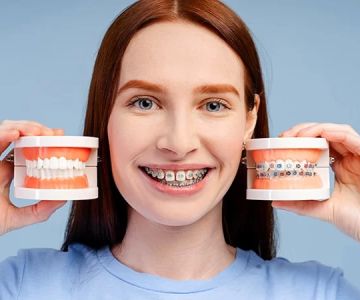
Orthodontic retainers are dental devices designed to keep your teeth in their new, corrected position after completing your orthodontic treatment with braces. After wearing braces, your teeth may shift back to their original positions if they aren’t properly maintained. Retainers play an essential role in ensuring your investment in a beautiful smile lasts for years to come.
2. The Importance of Retainers After Braces
Braces shift your teeth into their optimal positions, but without retainers, there’s a risk that your teeth will gradually move back to their previous misaligned state. Retainers work by holding your teeth in their new position while your bones and tissues adjust to the changes. Regular use of retainers is critical to the long-term success of orthodontic treatment.
For example, Sarah, a 32-year-old woman from New York, completed her orthodontic treatment two years ago but didn't wear her retainer consistently. Recently, she noticed her teeth starting to shift back, and now she must undergo corrective treatment again. This illustrates how vital retainers are in preserving your dental health.
3. Types of Orthodontic Retainers
There are primarily two types of retainers: fixed and removable. Fixed retainers are bonded to the back of your teeth and remain in place permanently, while removable retainers can be taken out when eating or cleaning. Both types have their unique advantages, but the choice depends on your specific orthodontic needs and preferences.
For instance, patients who tend to forget to wear their retainers may benefit from fixed retainers, ensuring they always keep their teeth in place. On the other hand, removable retainers allow for easier cleaning and more comfort, as they can be taken out whenever needed.
4. How Retainers Help Maintain Your Smile
Orthodontic retainers are designed to provide the necessary force to maintain your teeth in their new positions after braces. Without them, your teeth may slowly drift out of alignment due to the natural pressures of chewing and speaking. Retainers help prevent this by applying a gentle, consistent pressure that keeps your teeth stable.
Consider a case where someone finishes their orthodontic treatment, but the retainer is not used. Over time, they might see small spaces between teeth or a slight misalignment, which could negatively impact both appearance and function. This scenario underscores the value of maintaining your retainer routine.
5. Tips for Proper Care of Orthodontic Retainers
To get the most out of your orthodontic retainers, it's important to take good care of them. Here are some essential tips:
- Clean your retainers daily with a toothbrush and mild soap to prevent plaque buildup.
- Avoid hot water, which can warp the material.
- Store your retainers in a case when you're not wearing them to avoid damage or loss.
- Wear your retainers as instructed by your orthodontist—typically every night or as advised.
Proper care not only ensures that your retainers last longer, but it also helps maintain optimal results from your orthodontic treatment.
Retainers are an integral part of orthodontic care, and maintaining a consistent retainer routine is key to enjoying the benefits of a beautiful, healthy smile for years to come. If you’re ready to learn more or purchase a retainer, visit Dentistry Toothtruth for professional advice and quality products that meet your needs.

 Red Dirt Orthodontics5.0 (912 review)
 Malinowski & Sefcik5.0 (8 review)
 Samson Wahl & Associates5.0 (6 review)
 Day and Night Dental5.0 (68 review)
 Thornwood Family Dental - South Elgin4.0 (198 review)
 McCall Family Dentistry5.0 (718 review)
 The Importance of Oral Health Education During Pregnancy for a Healthy Pregnancy
 Best Tips for Brushing Your Teeth Properly for Healthy Gums: Essential Techniques for Oral Health
 Why Skipping Dental Checkups Can Lead to Bigger Oral Health Problems
 Advantages of Porcelain Dental Restorations
 How Can Diabetes Cause Tooth and Gum Problems? Preventing and Managing Oral Health Issues
 Healthy Habits for Promoting Good Oral Health and Hygiene: Tips for a Healthy Smile