
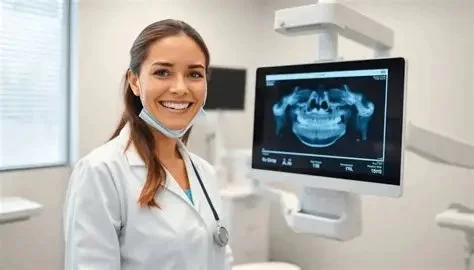
Are Dental X-Rays Safe? Risks, Benefits, and Frequency Guidelines
Dental X-rays are an essential part of dental care, providing valuable information that helps dentists diagnose and treat dental issues that may not be visible during a regular checkup. However, many patients wonder: Are dental X-rays safe? In this article, we’ll explore the risks, benefits, and guidelines regarding the frequency of dental X-rays, helping you make an informed decision about your oral health. Understanding both the safety aspects and the benefits of dental X-rays will empower you to take better care of your smile.
- 1. Understanding Dental X-Rays
- 2. Risks of Dental X-Rays
- 3. The Benefits of Dental X-Rays
- 4. Safety Guidelines and Best Practices for Dental X-Rays
- 5. How Often Should You Have Dental X-Rays?
1. Understanding Dental X-Rays
Dental X-rays, also known as radiographs, are images that allow dentists to examine the structures inside your teeth and gums. These images are captured by exposing a special film or digital sensor to a small amount of radiation. The X-rays pass through your mouth, and the resulting image highlights areas of decay, infection, bone loss, and other issues that can’t be seen with the naked eye. X-rays are crucial for diagnosing dental problems early, allowing for more effective treatments.
2. Risks of Dental X-Rays
While dental X-rays are generally safe, they do come with a small amount of risk due to the radiation exposure. However, the amount of radiation used in dental X-rays is very low, and modern equipment has greatly reduced the risks. The main concern is the potential for repeated exposure to radiation over time, which could slightly increase the risk of cancer. For this reason, it is important to only get X-rays when necessary and to follow safety protocols.
To minimize risks, dental professionals use lead aprons and thyroid collars to protect sensitive areas of the body during the procedure. Additionally, digital X-rays, which use even less radiation than traditional film X-rays, are becoming the standard in many dental practices.
3. The Benefits of Dental X-Rays
Dental X-rays offer numerous benefits, which is why they are an integral part of oral healthcare. They allow dentists to detect problems early, often before symptoms appear. This can help prevent serious dental issues, such as cavities, infections, or abscesses, from worsening. X-rays also help in evaluating the health of the jawbone, detecting tumors or cysts, and planning treatments like dental implants or braces.
For example, many dental problems, such as cavities between teeth or impacted wisdom teeth, are not visible during a standard exam. A simple X-ray can reveal these hidden issues and allow for timely intervention, potentially saving you from more invasive and expensive procedures later on.
4. Safety Guidelines and Best Practices for Dental X-Rays
To ensure the safety of dental X-rays, several best practices are followed by dental professionals. First and foremost, X-rays should only be taken when absolutely necessary. Dentists assess your oral health and medical history to determine whether X-rays are required. Additionally, the type and frequency of X-rays will depend on your age, health condition, and risk factors, such as your history of dental problems.
When dental X-rays are performed, safety measures like lead aprons and digital sensors are used to minimize radiation exposure. Pregnant women and young children are given special attention and precautions are taken to limit exposure to sensitive developing tissues.
5. How Often Should You Have Dental X-Rays?
The frequency of dental X-rays depends on your individual oral health needs. Generally, routine dental checkups may include an X-ray every one to two years. However, certain circumstances may require more frequent X-rays. For instance, if you are at high risk for dental issues like cavities or gum disease, or if you have a history of dental problems, your dentist may recommend more frequent X-rays.
In children, dental X-rays are typically taken more often to monitor the development of teeth and detect issues like cavities or alignment problems early. Your dentist will evaluate your needs on a case-by-case basis and ensure that X-rays are taken only when necessary to avoid unnecessary exposure.
In conclusion, dental X-rays are a crucial tool in maintaining good oral health. While they do come with a small amount of risk, the benefits far outweigh the potential drawbacks when they are used appropriately. By understanding how dental X-rays work, their safety measures, and the guidelines for their use, you can make informed decisions about your dental care. For expert dental care and more information about the products and services available, visit Family Dentistry Online, where we offer reliable and comprehensive oral health solutions for you and your family.





 Allied Orthodontics- Academy Road- Dentistry in Philadelphia- Dentist 191540.0 (0 review)
 Fry Orthodontic Specialists4.0 (71 review)
 Nestor E. Villarreal, DDS5.0 (2 review)
 Encore Dental of Toms River - An Affiliate of The Smilist4.0 (562 review)
 Just For Kids Pediatric Dentistry4.0 (281 review)
 Dental365 - Bellmore4.0 (318 review)
 The Importance of Oral Health Education During Pregnancy for a Healthy Pregnancy
 Best Tips for Brushing Your Teeth Properly for Healthy Gums: Essential Techniques for Oral Health
 Why Skipping Dental Checkups Can Lead to Bigger Oral Health Problems
 Advantages of Porcelain Dental Restorations
 How Can Diabetes Cause Tooth and Gum Problems? Preventing and Managing Oral Health Issues
 Healthy Habits for Promoting Good Oral Health and Hygiene: Tips for a Healthy Smile