
Advanced Periodontal Treatment Methods
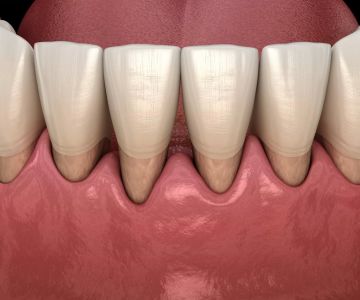
Periodontal disease, commonly known as gum disease, is a serious issue that affects millions of Americans. According to the Centers for Disease Control and Prevention (CDC), nearly half of adults aged 30 and older in the United States have some form of periodontal disease. This condition not only impacts oral health but also has been linked to systemic diseases such as diabetes, heart disease, and stroke. Traditional treatment methods have been effective, but modern advancements have introduced new techniques that offer better outcomes and reduced discomfort. This article will explore some of the most advanced periodontal treatment methods available today, providing insights into their effectiveness and benefits.
Laser Periodontal Therapy
Laser periodontal therapy, also known as Lanap (Laser-Assisted New Attachment Procedure), is a minimally invasive treatment that uses lasers to remove diseased tissue and promote healing. Unlike traditional surgery, Lanap does not require incisions or stitches. The laser specifically targets infected tissue, leaving healthy tissue intact. This precision reduces bleeding, swelling, and post-operative discomfort. Studies have shown that Lanap can effectively regenerate bone and soft tissue, leading to improved long-term outcomes.
Regenerative Procedures
Regenerative procedures aim to restore lost bone and tissue due to periodontal disease. Techniques such as bone grafting, tissue engineering, and the use of membranes can promote the growth of new tissue. Bone grafts can be sourced from the patient's own body, donor sources, or synthetic materials. These grafts provide a scaffold for new bone growth, helping to stabilize teeth and prevent further tissue loss. Membranes are used to guide tissue regeneration, ensuring that the right types of cells grow in the right places. Research shows that regenerative procedures can significantly enhance the success of periodontal treatment by promoting the body's natural healing processes.
Perioscope
The perioscope is a small, flexible endoscope used to visualize the root surfaces of teeth. This advanced tool allows dentists to perform deep cleaning procedures with greater accuracy. Traditional methods rely on tactile sensation and X-rays, which can be less precise. The perioscope provides real-time visual feedback, enabling dentists to remove calculus and plaque more effectively. This improves the outcome of scaling and root planing procedures, reducing the need for more invasive treatments. Patients benefit from reduced discomfort and improved oral health.
Enzyme Suppressants
Enzyme suppressants are a class of medications used to control periodontal disease by targeting specific enzymes involved in tissue destruction. These drugs inhibit the activity of enzymes such as matrix metalloproteinases (MMPs), which are overactive in periodontal disease. By suppressing these enzymes, the medications help to maintain the integrity of gum tissue and bone. Enzyme suppressants can be used in combination with other treatments to enhance their effectiveness. Studies have shown that these medications can significantly slow the progression of periodontal disease and improve overall oral health.
Biologic Medications
Biologic medications, such as growth factors and antibodies, are derived from natural sources and can stimulate the body's healing response. These medications are used to promote tissue regeneration and reduce inflammation. Growth factors, for example, can stimulate the growth of new bone and gum tissue. Antibodies can target specific bacteria involved in periodontal disease, reducing the body's immune response and inflammation. Biologic medications offer a targeted approach to periodontal treatment, leading to improved outcomes and reduced side effects compared to traditional treatments.
Digital Radiology and Imaging
Advances in digital radiology and imaging have revolutionized the diagnosis and treatment of periodontal disease. Digital X-rays provide higher-resolution images with lower radiation exposure compared to traditional film X-rays. This allows dentists to detect early signs of periodontal disease with greater accuracy. Additionally, 3D imaging technologies, such as cone-beam computed tomography (CBCT), provide detailed views of the jawbone and teeth, facilitating more precise treatment planning. These advanced imaging tools enable dentists to offer personalized treatment plans that address individual needs and improve outcomes.
Conclusion
Periodontal disease is a prevalent issue that can have serious consequences for oral and overall health. However, advanced periodontal treatment methods offer new hope for patients seeking effective and comfortable solutions. From laser periodontal therapy to regenerative procedures and biologic medications, these innovations provide targeted and minimally invasive approaches. For comprehensive information on periodontal care, visit our website at Dentistry Toothtruth. If you are concerned about your periodontal health, it is essential to consult a periodontist who is knowledgeable about these advanced treatment methods. Early intervention and proper care can significantly improve your oral health and overall well-being.

 Taunton Oral Health Center3.0 (21 review)
 Community Health Center of Snohomish County - Everett-North Clinic4.0 (960 review)
 Comfort Dental Whitehall - Your Trusted Dentist in Columbus4.0 (611 review)
 East Valley Periodontics4.0 (993 review)
 HealthPartners Dental Clinic Inver Grove Heights3.0 (17 review)
 Murry and Kuhn Dentistry Midlothian4.0 (516 review)
 The Importance of Oral Health Education During Pregnancy for a Healthy Pregnancy
 Best Tips for Brushing Your Teeth Properly for Healthy Gums: Essential Techniques for Oral Health
 Why Skipping Dental Checkups Can Lead to Bigger Oral Health Problems
 Advantages of Porcelain Dental Restorations
 How Can Diabetes Cause Tooth and Gum Problems? Preventing and Managing Oral Health Issues
 Healthy Habits for Promoting Good Oral Health and Hygiene: Tips for a Healthy Smile