
Advanced Fluoride Treatments for Teeth: Strengthen and Protect Your Smile
- 1. What is Advanced Fluoride Treatment?
- 2. Benefits of Advanced Fluoride Treatments
- 3. How Does Advanced Fluoride Treatment Work?
- 4. Who Can Benefit from Fluoride Treatments?
- 5. Real Life Cases of Advanced Fluoride Treatment
1. What is Advanced Fluoride Treatment?
Advanced fluoride treatments for teeth are professional dental procedures designed to prevent cavities, strengthen enamel, and protect against tooth decay. These treatments typically involve the application of a highly concentrated fluoride solution, which can be applied in various forms, including gels, varnishes, and foams. The fluoride helps remineralize enamel, making it more resistant to acid attacks and decay.
Unlike over-the-counter fluoride products, advanced fluoride treatments used in dental offices offer a much higher concentration of fluoride and are applied in a controlled environment for maximum effectiveness.
2. Benefits of Advanced Fluoride Treatments
Advanced fluoride treatments offer a variety of benefits for patients looking to improve their dental health:
- Prevents Cavities: Fluoride helps remineralize enamel, making it more resistant to acid attacks from plaque, bacteria, and sugary foods, thus preventing cavities.
- Strengthens Tooth Enamel: Fluoride therapy strengthens the enamel, making teeth less susceptible to decay and other damage, helping to preserve overall oral health.
- Protects Against Sensitivity: For individuals with sensitive teeth, fluoride treatments can help reduce discomfort caused by temperature changes and acidic foods.
- Fast and Effective: Fluoride treatments are quick, with most procedures taking only a few minutes, and they provide long-lasting protection with minimal discomfort.
- Enhances Cosmetic Results: By preventing decay and strengthening enamel, fluoride treatments can help maintain the natural beauty of your teeth, leading to a healthier, brighter smile.
3. How Does Advanced Fluoride Treatment Work?
Advanced fluoride treatments are usually performed in a dental office, though they can also be prescribed for use at home in some cases. The procedure typically follows these steps:
- Consultation: The process begins with an assessment by your dentist. If you are at risk for cavities or have existing tooth sensitivity, fluoride treatment may be recommended.
- Application: Your dentist will apply a concentrated fluoride solution to your teeth. This can be in the form of a gel, foam, or varnish, depending on your specific needs and preferences.
- Absorption: After the fluoride is applied, it is left on the teeth for a short period of time, allowing the enamel to absorb the fluoride and begin the remineralization process.
- Post-Treatment Care: Your dentist will provide you with guidelines to follow after the treatment, such as avoiding eating or drinking for at least 30 minutes to allow the fluoride to fully absorb.
4. Who Can Benefit from Fluoride Treatments?
Fluoride treatments are recommended for a variety of patients, including:
- Children: Children are at high risk for cavities as their teeth are developing, and fluoride treatments can help protect them as they grow.
- Adults with Cavities or Decay: Adults with existing dental problems, such as tooth sensitivity or early-stage cavities, can benefit from fluoride’s enamel-strengthening properties.
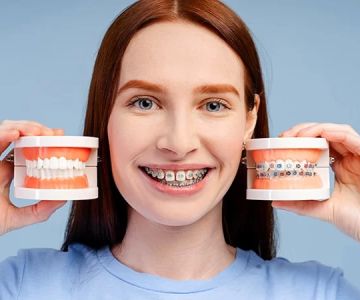
- People with Braces: Individuals wearing braces or other dental appliances are at a higher risk for tooth decay and can benefit from regular fluoride treatments.
- Those with Dry Mouth: People who suffer from dry mouth, a condition that can lead to tooth decay, often benefit from fluoride to help maintain oral health.
- Individuals with Sensitive Teeth: Those with tooth sensitivity can experience relief from discomfort with fluoride treatments, which help to protect and strengthen the tooth enamel.
5. Real Life Cases of Advanced Fluoride Treatment
Real-world examples of how advanced fluoride treatments have helped patients:
Case 1: Sarah’s Preventative Care – Sarah, a 32-year-old woman, has always struggled with maintaining good oral hygiene, leading to occasional cavities. After receiving advanced fluoride treatments every six months, Sarah’s dentist noticed a significant reduction in cavities and better overall enamel health.
Case 2: John’s Tooth Sensitivity – John, a 45-year-old man, had always been bothered by tooth sensitivity, especially to hot and cold foods. After his dentist applied fluoride varnish treatments, John reported a significant reduction in sensitivity, and he was able to enjoy his meals without discomfort.
Case 3: Emma’s Orthodontic Treatment – Emma, a 16-year-old with braces, was at high risk for cavities due to the difficulty of cleaning around the brackets. Her dentist recommended fluoride gel treatments every few months, which helped prevent decay and strengthened her enamel throughout her orthodontic treatment.
If you're looking for ways to improve the health and appearance of your teeth, advanced fluoride treatments might be exactly what you need. To learn more about fluoride treatments and how they can benefit you, visit Dentistry Toothtruth for more information.


 Dr. Bita Davoodian DDS Inc.4.0 (61 review)
 Brace Busters3.0 (2 review)
 VCC: The Gary Center2.0 (45 review)
 Olivia Turner Dental0.0 (0 review)
 Shawnee Christian Healthcare - Dental4.0 (361 review)
 First Choice Dental- Madison East4.0 (289 review)
 The Importance of Oral Health Education During Pregnancy for a Healthy Pregnancy
 Best Tips for Brushing Your Teeth Properly for Healthy Gums: Essential Techniques for Oral Health
 Why Skipping Dental Checkups Can Lead to Bigger Oral Health Problems
 Advantages of Porcelain Dental Restorations
 How Can Diabetes Cause Tooth and Gum Problems? Preventing and Managing Oral Health Issues
 Healthy Habits for Promoting Good Oral Health and Hygiene: Tips for a Healthy Smile