
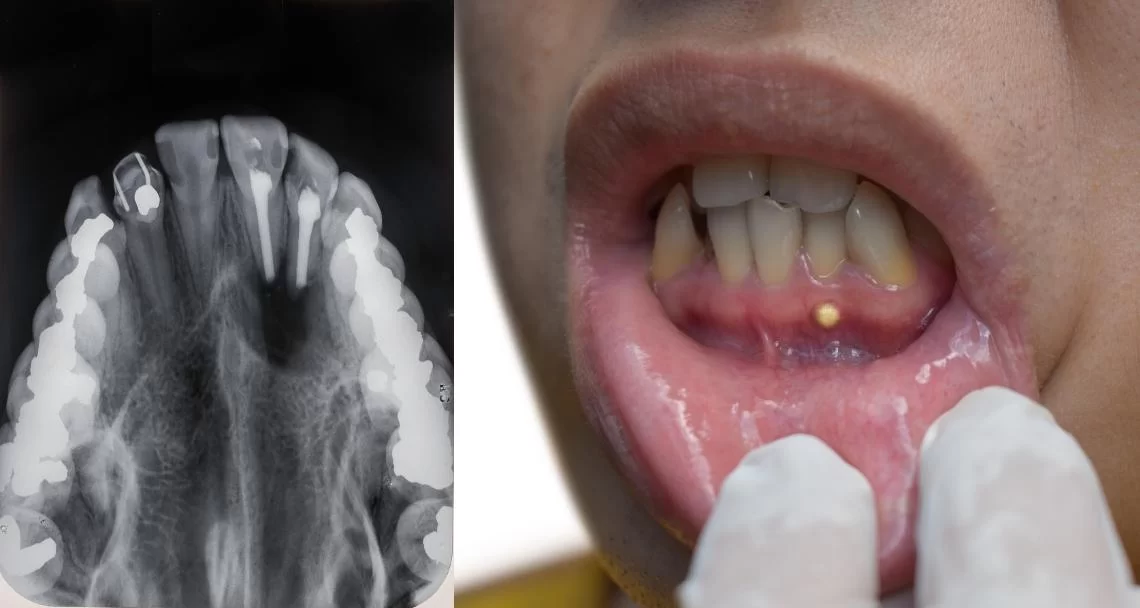
Symptoms of an Abscessed Tooth and How to Treat It: A Complete Guide
- 1. What Is an Abscessed Tooth?
- 2. Recognizing Symptoms of a Tooth Abscess
- 3. Why You Should Treat an Abscessed Tooth Early
- 4. Effective Treatments for an Abscessed Tooth
- 5. When to See a Dentist for a Tooth Abscess
1. What Is an Abscessed Tooth?
An abscessed tooth occurs when a bacterial infection causes a pocket of pus to form at the root of the tooth or in the surrounding gum tissue. This type of infection can be incredibly painful and, if left untreated, can lead to serious dental complications, including tooth loss. The infection usually starts in the soft tissue inside the tooth (the pulp) and can spread to the surrounding bones, gums, and tissues. Abscesses are more common in teeth that have been previously damaged by decay or trauma.
2. Recognizing Symptoms of a Tooth Abscess
One of the first signs of an abscessed tooth is severe pain in the affected tooth, often described as a constant, throbbing ache. Other common symptoms include:
- Swelling and redness around the affected area of the gums.
- Severe tooth sensitivity to hot or cold foods and drinks.
- A bad taste or foul odor in the mouth, often due to the pus draining from the abscess.
- Swollen lymph nodes in the neck or jaw area.
- Fever or general malaise due to infection.
If you experience any of these symptoms, it's important to take action as soon as possible to prevent the infection from spreading further.
3. Why You Should Treat an Abscessed Tooth Early
It is essential to address an abscessed tooth promptly. Untreated tooth abscesses can lead to complications such as the infection spreading to other areas of the mouth, jaw, or even the bloodstream, which could result in sepsis. Additionally, the infection can damage the bone surrounding the tooth and may eventually cause the tooth to fall out or require extraction. Early treatment can not only relieve pain but also help preserve the affected tooth and prevent more severe consequences.
4. Effective Treatments for an Abscessed Tooth
The treatment for an abscessed tooth depends on the severity of the infection. In most cases, the goal is to eliminate the infection, relieve pain, and save the tooth. Common treatment options include:
- Antibiotics: Your dentist may prescribe antibiotics to help control the infection and prevent it from spreading.
- Root Canal: A root canal treatment is often needed to remove the infected tissue and clean out the abscess. This can help save the tooth.
- Tooth Extraction: If the infection is severe and the tooth cannot be saved, extraction may be necessary.
- Drainage: If there is a significant amount of pus, your dentist may need to drain the abscess to alleviate the pressure and discomfort.
These treatments are designed to address the infection at its source and restore your oral health. Your dentist will discuss the most appropriate option for you based on your symptoms and the condition of your tooth.
5. When to See a Dentist for a Tooth Abscess
If you suspect you have an abscessed tooth, it's crucial to see a dentist as soon as possible. Ignoring the symptoms can lead to more severe complications. A dentist will be able to assess the situation and determine the best course of action. In some cases, if the abscess is left untreated for too long, it may lead to the need for more intensive procedures, such as surgery or a more complicated root canal.
To ensure your tooth health is protected, be proactive about scheduling regular dental checkups and addressing any oral health issues promptly. If you are experiencing pain, swelling, or other symptoms of a tooth abscess, don’t wait—contact your dentist immediately.
For more information on treating abscessed teeth and finding reliable dental care, visit Dentistry Toothtruth for expert advice, treatment options, and the best products to help maintain your oral health.






 Community Health Care Hilltop Family Dental Clinic3.0 (188 review)
 Dr. Jack Sabol3.0 (3 review)
 Great Expressions Dental Centers - Peachtree City4.0 (406 review)
 Peachtree Smile Center4.0 (228 review)
 Pinnacle Dental Group - Plainfield, IL (Implant, Cosmetic, and General Dentistry)4.0 (264 review)
 Restore Denture and Implant Center: Dr. Alyssa Mencini, DMD4.0 (267 review)
 The Importance of Oral Health Education During Pregnancy for a Healthy Pregnancy
 Best Tips for Brushing Your Teeth Properly for Healthy Gums: Essential Techniques for Oral Health
 Why Skipping Dental Checkups Can Lead to Bigger Oral Health Problems
 Advantages of Porcelain Dental Restorations
 How Can Diabetes Cause Tooth and Gum Problems? Preventing and Managing Oral Health Issues
 Healthy Habits for Promoting Good Oral Health and Hygiene: Tips for a Healthy Smile