

The Overlooked Connection Between Crohn’s Disease and Oral Health
When people hear of Crohn’s disease, they often think of gastrointestinal symptoms like abdominal pain, diarrhea, and fatigue. Yet research from prospective studies highlights another important dimension: the oral manifestations of Crohn’s disease. Patients frequently experience symptoms in the mouth that mirror or precede digestive flare-ups. Understanding this link allows both doctors and dentists to work together in providing better care and earlier interventions.
1. Oral Lesions as Early Indicators
The Role of Aphthous Ulcers
One of the most common oral symptoms reported in Crohn’s patients is recurrent aphthous ulcers, or canker sores. Unlike ordinary mouth ulcers that heal quickly, those associated with Crohn’s tend to be more persistent, painful, and resistant to over-the-counter remedies. Prospective observations have shown that these lesions may appear weeks before gastrointestinal symptoms worsen, making them a valuable warning sign for patients and healthcare providers.
Granulomatous Inflammation in the Mouth
Another distinguishing feature found in some patients is granulomatous inflammation on the lips, gums, or inside the cheeks. This rare but characteristic oral change can help in confirming a diagnosis when other tests remain inconclusive. For families managing Crohn’s, recognizing these subtle signs often accelerates access to proper medical care.
2. Gingival Swelling and Periodontal Concerns
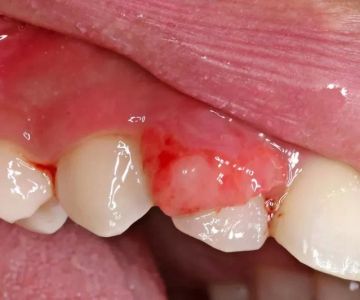
Prospective studies reveal that Crohn’s disease can cause unusual gum swelling, sometimes described as a “cobblestone” appearance. This texture mirrors intestinal changes seen during endoscopic exams. Dentists observing such gum alterations often collaborate with gastroenterologists to ensure the patient’s systemic disease is controlled. Because inflamed gums make oral hygiene more difficult, affected patients are at higher risk for periodontal disease, which adds another layer of discomfort and health risk.
3. Impact on Daily Life and Patient Experiences
Consider the story of a young professional who struggled for years with mouth ulcers before receiving a Crohn’s diagnosis. These painful oral manifestations made it difficult for her to eat, speak, and even socialize. Her experience illustrates how oral health issues are not just secondary complications but can significantly diminish quality of life. By tracking oral symptoms over time, prospective studies highlight how these experiences are not isolated, but rather part of a broader disease picture.
4. Nutritional Challenges and Oral Symptoms
Malnutrition is a frequent complication of Crohn’s disease, and oral health often reflects these deficiencies. Deficits in vitamins like B12, folic acid, and iron may manifest as glossitis (inflamed tongue), angular cheilitis (cracks at the corners of the mouth), or persistent ulcers. Prospective follow-ups in patient groups demonstrate that correcting these nutritional imbalances can reduce oral discomfort and improve overall health outcomes.
5. Treatment Approaches for Oral Manifestations
Medical Interventions
Management of oral symptoms often parallels systemic Crohn’s treatment. Corticosteroids, immunosuppressants, and biologic therapies can reduce inflammation in both the gut and mouth. In certain cases, topical corticosteroid gels or mouth rinses help to directly manage painful lesions, providing quicker relief for patients.
Dental Support and Preventive Care
Dentists play an essential role in managing oral complications of Crohn’s disease. Regular check-ups help identify lesions early and prevent secondary infections. Professional cleaning also minimizes plaque buildup that can worsen gum inflammation. For individuals managing Crohn’s, dental professionals often become trusted allies in controlling oral discomfort.
6. Why Collaborative Care Matters
Prospective studies emphasize that oral manifestations of Crohn’s are not isolated conditions but interconnected with systemic health. Patients benefit most when gastroenterologists, dentists, and nutritionists collaborate. This multidisciplinary approach ensures that no symptom—whether in the gut or the mouth—is overlooked. Patients who embrace this form of care often report improved comfort, faster interventions, and a stronger sense of control over their condition.
7. Practical Guidance for Patients
For those navigating Crohn’s disease, paying attention to oral health is crucial. Persistent ulcers, swollen gums, or unusual changes in the mouth deserve immediate attention. Tracking these symptoms in a journal can help identify patterns that predict flare-ups. Maintaining a gentle but consistent oral hygiene routine also reduces secondary issues. When professional care is needed, turning to trusted providers like Family Dentistry Online ensures access to supportive services tailored to Crohn’s patients.
Looking Ahead: The Future of Oral Health in Crohn’s Research
Ongoing prospective studies continue to shed light on the oral manifestations of Crohn’s disease. Researchers are exploring whether oral biomarkers might one day serve as predictive tools for flare-ups, enabling earlier treatment interventions. As our understanding deepens, patients and providers alike gain new strategies for improving both health outcomes and quality of life. In the meantime, recognizing the mouth as a mirror of systemic disease remains one of the most powerful steps toward comprehensive care.


 Smiles On Bridgetown5.0 (87 review)
 Weimar Family & Implant Dentistry4.0 (778 review)
 Summit Pediatric Dentistry4.0 (145 review)
 Dr. Kwon Pediatric Dentistry Sedation Center4.0 (133 review)
 Wang Hugh N DDS0.0 (0 review)
 Fry Orthodontic Specialists4.0 (71 review)
 The Importance of Oral Health Education During Pregnancy for a Healthy Pregnancy
 Best Tips for Brushing Your Teeth Properly for Healthy Gums: Essential Techniques for Oral Health
 Why Skipping Dental Checkups Can Lead to Bigger Oral Health Problems
 Advantages of Porcelain Dental Restorations
 How Can Diabetes Cause Tooth and Gum Problems? Preventing and Managing Oral Health Issues
 Healthy Habits for Promoting Good Oral Health and Hygiene: Tips for a Healthy Smile