
Why You Should Replace Old Dental Fillings: Essential Tips for Better Oral Health
- Understanding Dental Fillings and Their Role
- Why You Should Replace Old Fillings
- Signs You Need to Replace Your Fillings
- The Benefits of Replacing Old Fillings
- Real-Life Stories: Why Replacing Fillings Matters
- How to Replace Your Fillings and What to Expect
- Where to Get Your Dental Fillings Replaced
Understanding Dental Fillings and Their Role
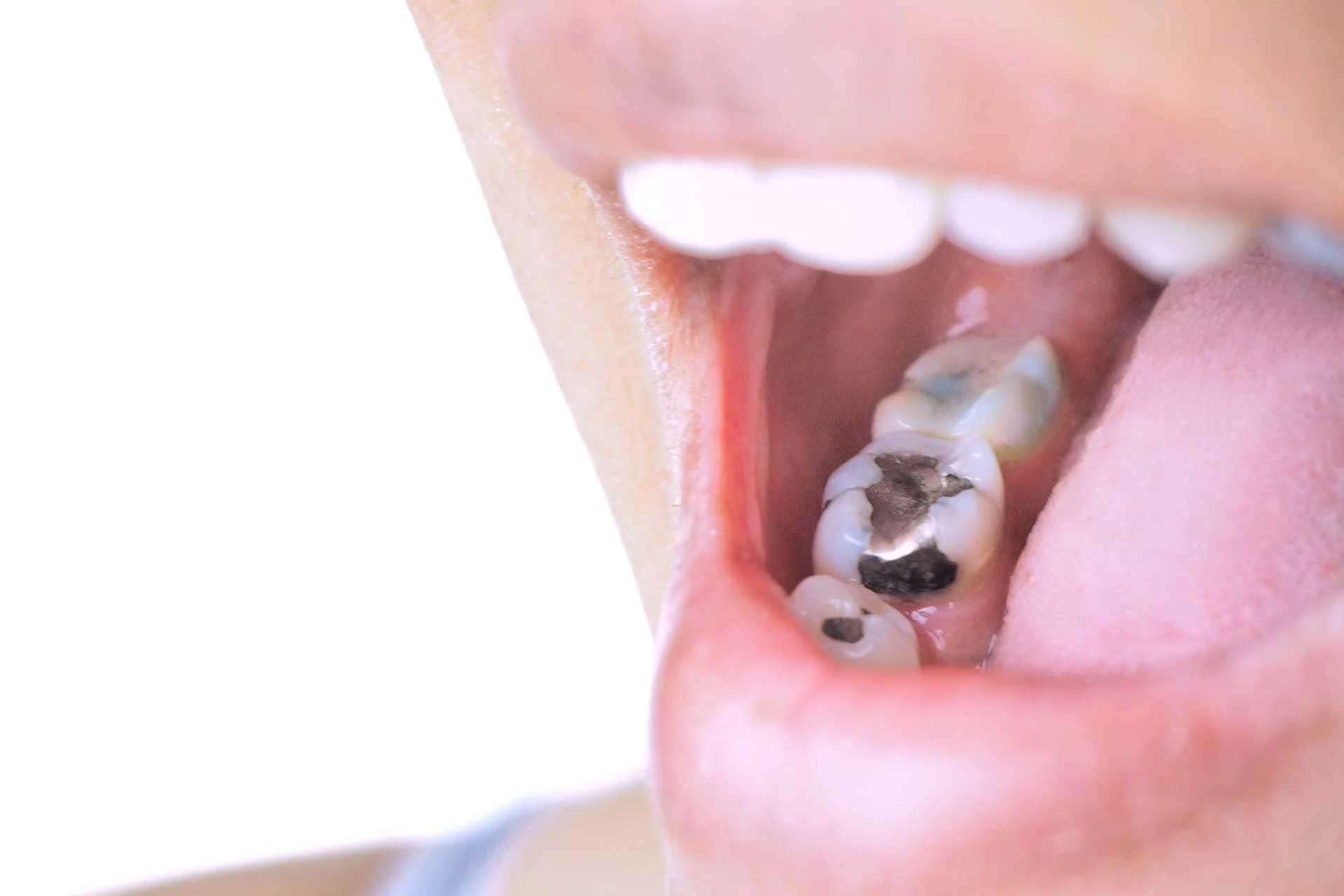
Dental fillings are used to restore teeth that have been damaged by cavities or decay. They help prevent further damage and restore the natural shape and function of the tooth. Fillings can be made from various materials, including amalgam, composite resin, porcelain, or gold.
While dental fillings are effective at restoring teeth, they don’t last forever. Over time, fillings can wear out, crack, or even leak, which can lead to further dental issues if not replaced promptly.
Why You Should Replace Old Fillings
Over time, dental fillings may lose their integrity, especially if they’ve been in place for several years. This can result in a number of problems that could affect both your oral health and your overall well-being. Replacing old dental fillings is essential to avoid complications and maintain the effectiveness of your dental restoration.
Old fillings can harbor bacteria, leading to further tooth decay or gum disease. They can also cause discomfort, particularly if they begin to crack or shift. Additionally, materials like amalgam can expand and contract with temperature changes, potentially causing the filling to break or fall out.
Signs You Need to Replace Your Fillings
There are several signs that indicate it may be time to replace your old dental fillings:
- Visible cracks or chips: If your filling is cracked, chipped, or missing, it’s time for a replacement.
- Tooth sensitivity: Increased sensitivity to hot or cold foods and drinks could mean your filling is no longer properly sealed.
- Filling discoloration: Fillings that have discolored over time may not be functioning as they should and can also be a cosmetic concern.
- Visible gaps: If you notice gaps between your filling and the tooth, it’s likely allowing bacteria to enter and cause further decay.
- Persistent pain: Ongoing pain or discomfort could be a sign that your filling is no longer effective and may require replacement.
The Benefits of Replacing Old Fillings
Replacing old fillings can have significant benefits for your oral health:
- Prevents further decay: Replacing old fillings helps prevent new cavities from forming, ensuring your teeth remain healthy and strong.
- Improves overall oral health: By removing old, worn fillings, you reduce the risk of gum disease and other complications that can affect your oral health.
- Restores tooth functionality: A new filling can restore your tooth’s original function, allowing you to chew and speak more comfortably.
- Enhances cosmetic appearance: Modern filling materials, such as composite resins, can match the natural color of your teeth, providing a more aesthetic solution.
- Provides long-term protection: Replacing old fillings with new, durable materials offers long-lasting protection for your teeth, ensuring they stay healthy for years to come.
Real-Life Stories: Why Replacing Fillings Matters
Here are some personal stories that demonstrate the importance of replacing old dental fillings:
Sarah’s Experience: “I had an old amalgam filling in my back molar for over 15 years. One day, it cracked, and I started feeling pain when eating. After getting it replaced with a composite filling, the pain was gone, and my tooth feels stronger than ever.”
John’s Story: “I didn’t realize my old fillings were causing me problems until I started feeling sensitive to cold drinks. When I visited my dentist, I found out that my fillings had worn down, and bacteria had started to seep in. Replacing them not only fixed the sensitivity but also improved my overall dental health.”
How to Replace Your Fillings and What to Expect
Replacing your fillings is a straightforward process that typically involves the following steps:
- Consultation: Your dentist will examine your old fillings and take X-rays to check for any underlying issues.
- Filling removal: The old filling will be carefully removed to ensure no decay is left behind.
- Tooth preparation: Your dentist will clean and prepare the cavity to ensure the new filling bonds properly to the tooth.
- New filling placement: The new filling will be placed and molded to fit your tooth perfectly.
- Finishing touches: After the filling is placed, your dentist will smooth and polish it to ensure it doesn’t interfere with your bite.
The procedure is typically quick, and many people experience little to no discomfort afterward.
Where to Get Your Dental Fillings Replaced
If you’re ready to replace your old dental fillings, Dentistry Toothtruth offers professional and high-quality dental care. Our team of experienced dentists can help assess your fillings and replace them with the latest materials for improved functionality and aesthetics.
Click here to learn more about our services and schedule your consultation today!






 Hawthorn Woods Family Dental Care5.0 (535 review)
 La Verne Dental Group4.0 (220 review)
 Woodbury Dental Care4.0 (651 review)
 Brunswick Dental Group3.0 (71 review)
 Dental Dreams-Cermak4.0 (284 review)
 LEON ORTHODONTICS4.0 (52 review)
 The Importance of Oral Health Education During Pregnancy for a Healthy Pregnancy
 Best Tips for Brushing Your Teeth Properly for Healthy Gums: Essential Techniques for Oral Health
 Why Skipping Dental Checkups Can Lead to Bigger Oral Health Problems
 Advantages of Porcelain Dental Restorations
 How Can Diabetes Cause Tooth and Gum Problems? Preventing and Managing Oral Health Issues
 Healthy Habits for Promoting Good Oral Health and Hygiene: Tips for a Healthy Smile