
1. Why Oral Hygiene Before Meals Supports Appetite
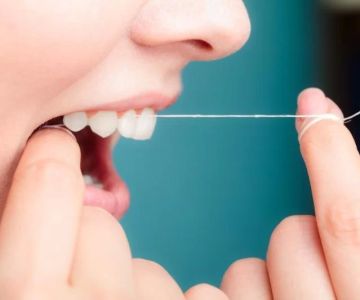
When people hear about brushing or cleaning the mouth before eating, it may sound unusual. However, practicing oral hygiene before meals can play an important role in stimulating appetite and supporting overall health. A clean mouth helps reduce bacteria that cause unpleasant tastes or odors, ensuring food smells and tastes more appealing. For individuals who struggle with reduced appetite, such as children, seniors, or patients in recovery, this practice can make a significant difference in how enjoyable a meal feels.
The Connection Between Oral Cleanliness and Taste
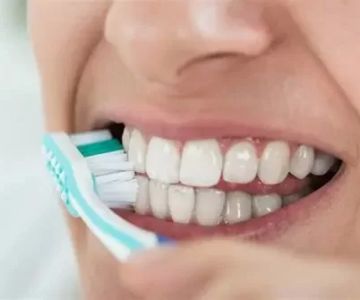
Taste buds can be dulled by food debris or plaque buildup. By brushing or rinsing before meals, the tongue and palate become more receptive to flavors, making food more appetizing and encouraging proper nutrition intake.
2. The Role of Freshness in Appetite Stimulation
Fresh breath is more than a social benefit—it directly influences how ready we feel to eat. Lingering bad tastes in the mouth can reduce the desire for food, even when the body is hungry. Simple oral care before mealtime, such as brushing or rinsing with water, resets the senses, helping the brain associate mealtime with freshness and comfort.
How the Senses Work Together
The smell and taste of food are closely linked. If the mouth feels stale, the nose may interpret food aromas as less pleasant. A clean oral environment clears the way for a better sensory experience, improving appetite naturally.
3. Supporting Digestion Through Oral Hygiene
Good oral care before meals doesn’t just improve appetite—it also supports digestion. Saliva plays a critical role in breaking down food, and a healthy mouth produces saliva more effectively. By brushing before meals, you reduce harmful bacteria, allowing natural saliva enzymes to work efficiently from the first bite.
Long-Term Health Benefits
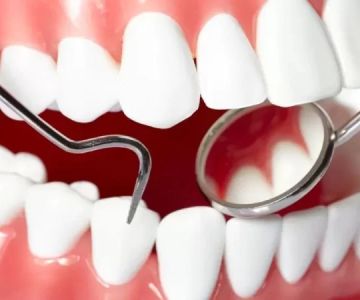
Maintaining a consistent oral hygiene routine reduces risks of gum disease and tooth decay. In turn, this helps prevent oral discomfort, which can otherwise suppress appetite and interfere with proper nutrition.
4. Real-Life Situations Where Oral Hygiene Helps
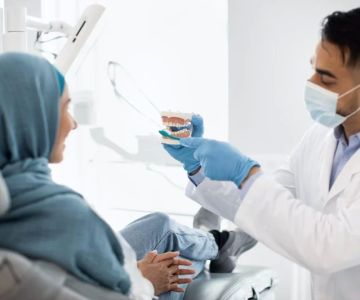
In hospitals and nursing homes, healthcare providers often recommend oral care before serving meals to patients. A clean mouth not only encourages patients to eat but also lowers the risk of infections. Parents also find that children are more willing to eat when their mouths feel clean and refreshed.
A Story from Daily Life
One mother shared how her child, who often refused vegetables, became more open to trying them after brushing before dinner. The improvement in taste perception made a noticeable difference, showing how small changes in routine can encourage healthier eating habits.
5. Common Misconceptions About Brushing Before Meals
Some people worry that brushing before meals may harm enamel, especially if acidic foods follow. However, dentists clarify that gentle brushing or rinsing with water is safe and effective. The key is to avoid overly harsh brushing and to use fluoride toothpaste for added protection.
Adjusting for Sensitivity
For those with sensitive teeth, a mild rinse or tongue cleaning before meals can still freshen the mouth and boost appetite without discomfort.
6. Professional Insights on Oral Hygiene and Appetite
Dentists and nutritionists agree that oral care is closely tied to eating behaviors. A healthy mouth encourages regular eating, which helps maintain energy and supports heart, digestive, and immune health. This practice can be especially helpful for elderly individuals or those undergoing medical treatments that affect taste and appetite.
Creating Healthy Habits
Experts recommend incorporating light oral care before main meals into a daily routine. This ensures that both appetite and oral health improve together, supporting a better quality of life.
7. How Family Dentistry Online Can Help
For individuals interested in learning more about why provide oral hygiene before meals for appetite, Family Dentistry Online offers expert resources, trusted services, and professional recommendations. Whether it’s selecting the right toothbrush, improving daily oral care routines, or addressing appetite-related oral issues, Family Dentistry Online provides the guidance families need.
Encouraging Better Nutrition and Smiles
With the right support, small changes in oral hygiene can lead to meaningful improvements in appetite, health, and overall well-being. Families can feel confident knowing they have access to tools and knowledge that make every meal a healthier, more enjoyable experience.


 Martineau Dentistry4.0 (800 review)
 123 Smile Dental Care4.0 (42 review)
 Corbin Dentists4.0 (53 review)
 Gillard Dental5.0 (196 review)
 Nations Dental Studio5.0 (362 review)
 Valley Family Dental Center4.0 (17 review)
 The Importance of Oral Health Education During Pregnancy for a Healthy Pregnancy
 Best Tips for Brushing Your Teeth Properly for Healthy Gums: Essential Techniques for Oral Health
 Why Skipping Dental Checkups Can Lead to Bigger Oral Health Problems
 Advantages of Porcelain Dental Restorations
 How Can Diabetes Cause Tooth and Gum Problems? Preventing and Managing Oral Health Issues
 Healthy Habits for Promoting Good Oral Health and Hygiene: Tips for a Healthy Smile