
Why Do I Have Bad Breath With Good Oral Hygiene?
Bad breath, also known as halitosis, can be an embarrassing issue, and it's a problem that many people face, even if they maintain good oral hygiene. If you're brushing your teeth, flossing regularly, and even using mouthwash but still struggle with unpleasant breath, you're not alone. There are various reasons why someone might experience bad breath despite keeping their mouth clean, and some of them may surprise you. In this article, we'll explore the potential causes of persistent bad breath and offer solutions to help you breathe easier.
1. Dry Mouth: A Common Culprit
One of the most overlooked causes of bad breath is dry mouth, also known as xerostomia. Saliva plays a crucial role in washing away food particles and bacteria in the mouth. When your mouth becomes dry, it can cause an accumulation of bacteria, leading to bad breath. This can occur for several reasons:
- Dehydration: Not drinking enough water can lead to dry mouth, making it harder for your saliva to properly cleanse your mouth.
- Medications: Certain medications, such as antihistamines, decongestants, and antidepressants, can reduce saliva production.
- Health Conditions: Conditions like diabetes, Sjögren's syndrome, or even sleep apnea can contribute to dry mouth.
If you suspect dry mouth is causing your bad breath, try to drink more water throughout the day, avoid caffeinated drinks, and talk to your doctor about alternative medications if necessary. There are also saliva substitutes available that can help relieve the symptoms of dry mouth.
2. Diet and Nutrition: What You Eat Can Affect Your Breath
Your diet can also have a significant impact on your breath. While good oral hygiene helps prevent food particles from lingering in your mouth, certain foods can still leave their mark. Here's how your diet might be contributing to bad breath:
- Strong-smelling foods: Foods like garlic, onions, and certain spices contain volatile compounds that are absorbed into your bloodstream and later expelled through your lungs, causing your breath to smell.
- Low-carb diets: If you're on a low-carb or ketogenic diet, your body enters a state called ketosis, which produces chemicals that can make your breath smell fruity or even foul.
- Acidic foods and drinks: Citrus fruits, coffee, and alcohol can also contribute to bad breath by irritating the tissues in your mouth and causing dry mouth.
To combat this, try chewing sugar-free gum, drinking more water, or eating raw fruits and vegetables that can help cleanse your mouth naturally.
3. Gum Disease and Dental Issues
Even if you're diligently following a good oral hygiene routine, underlying dental issues could still lead to bad breath. Gum disease (periodontitis) is one such issue that can cause persistent bad breath. In the early stages of gum disease, bacteria accumulate in pockets between your teeth and gums, releasing sulfur compounds that produce an unpleasant odor. Other dental issues like tooth decay, cavities, and infected gums can also contribute to bad breath.
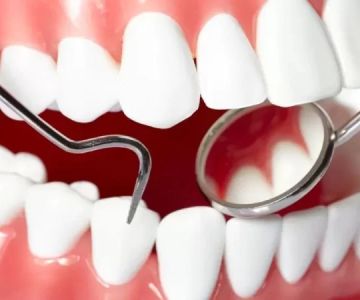
If you've noticed that your breath smells even after brushing and flossing, it may be time to visit your dentist for a thorough examination. Treating any dental issues early can help prevent long-term problems and improve your breath.
4. Health Conditions That Affect Breath
Sometimes, bad breath can be a symptom of an underlying health condition that goes beyond oral hygiene. Some of the medical conditions that can cause persistent bad breath include:
- Gastroesophageal Reflux Disease (GERD): GERD occurs when stomach acid flows back into the esophagus, which can lead to bad breath. The acid can sometimes reach your mouth, resulting in a sour or bitter taste and unpleasant breath.
- Respiratory Infections: Infections in the sinuses, throat, or lungs can lead to bad breath due to the presence of bacteria or mucus.
- Diabetes: In people with poorly controlled diabetes, high blood sugar levels can cause fruity-smelling breath due to the production of ketones.
- Liver or Kidney Disease: Serious liver or kidney conditions can cause bad breath, often accompanied by a foul or ammonia-like odor.
If your bad breath persists despite maintaining good oral hygiene, it’s essential to consult a healthcare professional to rule out any underlying medical issues.
5. Smoking and Alcohol Consumption
Both smoking and excessive alcohol consumption can lead to bad breath. Smoking introduces chemicals into your mouth that leave an unpleasant odor and reduce saliva production, while alcohol dehydrates the body, leading to dry mouth and bad breath. Smoking also damages your gums and teeth, further exacerbating the problem. If you're a smoker or drink heavily, quitting or reducing your intake can significantly improve your breath.
6. The Role of Oral Hygiene: How to Improve Your Breath
While good oral hygiene is essential for fresh breath, it’s important to ensure you’re following the right practices. Here are some tips to improve your breath:
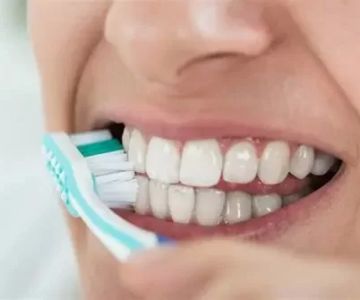
- Brush your teeth and tongue: Brushing your teeth at least twice a day and using a tongue scraper can help remove food particles and bacteria that cause bad breath.
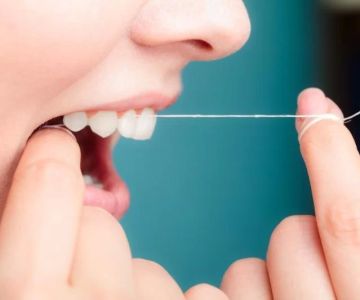
- Floss regularly: Flossing helps remove food particles stuck between your teeth and gums that can lead to bad breath.
- Use mouthwash: A good antimicrobial mouthwash can help kill bacteria in your mouth, providing long-lasting freshness.
- Hydrate: Drinking plenty of water helps keep your mouth moist and washes away bacteria and food particles.
- Regular dental visits: Visiting your dentist for regular check-ups and cleanings ensures that any dental issues, such as cavities or gum disease, are addressed promptly.
Conclusion: Solving the Mystery of Bad Breath
Having bad breath despite good oral hygiene can be frustrating, but understanding the causes behind it is the first step in finding a solution. Whether it’s dry mouth, diet, dental issues, or an underlying health condition, identifying the root cause can help you take the right steps to improve your breath. By maintaining good oral hygiene, drinking plenty of water, and addressing any medical concerns, you can enjoy fresher breath and feel more confident in social situations.
If you continue to experience persistent bad breath, don’t hesitate to reach out to a dentist or healthcare provider for further advice. They can help pinpoint the cause and guide you toward the best solution.



 Mckenzie Family Dentistry4.0 (181 review)
 Wiemeyer Dentistry5.0 (124 review)
 Dr. Shefali Patel, DDS5.0 (2 review)
 RG Dental Group4.0 (91 review)
 Renew Smiles Dental Implant Center – Surprise0.0 (0 review)
 Jefferson Urology Associates2.0 (32 review)
 The Importance of Oral Health Education During Pregnancy for a Healthy Pregnancy
 Best Tips for Brushing Your Teeth Properly for Healthy Gums: Essential Techniques for Oral Health
 Why Skipping Dental Checkups Can Lead to Bigger Oral Health Problems
 Advantages of Porcelain Dental Restorations
 How Can Diabetes Cause Tooth and Gum Problems? Preventing and Managing Oral Health Issues
 Healthy Habits for Promoting Good Oral Health and Hygiene: Tips for a Healthy Smile