
Understanding Oral Cancer and the Importance of Early Detection
Oral cancer is a serious health condition that affects thousands of people each year in the United States. Early detection plays a crucial role in increasing survival rates and improving treatment outcomes. Knowing where to go to check for oral cancer is essential for anyone at risk or concerned about their oral health.
Oral cancer can affect any part of the mouth including the lips, tongue, cheeks, floor of the mouth, and throat. Often, it develops silently without obvious symptoms until it reaches an advanced stage. Routine screenings and professional oral examinations are the best defense against this hidden danger.
Where to Go for Oral Cancer Screening
1. Dental Clinics and General Dentists
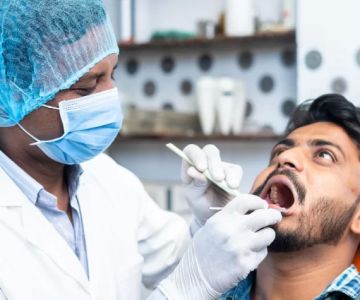
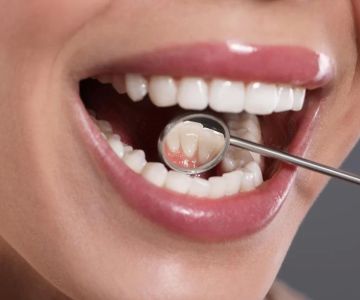
Most people might not realize that their regular dentist is the first and most accessible professional to perform oral cancer screenings. During routine dental visits, dentists conduct thorough examinations of your mouth, looking for unusual sores, lumps, or discolored patches that could indicate oral cancer.
Dental professionals are trained to spot early signs that might be missed by the untrained eye. If any suspicious signs appear, your dentist can refer you to a specialist for further testing.
2. Oral and Maxillofacial Surgeons
For more specialized oral cancer assessments, oral and maxillofacial surgeons provide comprehensive evaluations. These specialists have advanced training in diagnosing and treating complex conditions of the mouth and jaw, including cancerous lesions.
Surgeons often perform biopsies, where a small tissue sample is taken from the suspicious area and analyzed for cancer cells. Their expertise is critical for accurate diagnosis and planning appropriate treatment.
3. Otolaryngologists (ENT Specialists)
Ear, Nose, and Throat (ENT) doctors are experts in diseases affecting the throat and oral cavity. They often see patients referred by dentists or primary care physicians when more detailed inspection is needed.
ENT specialists can use advanced imaging techniques and scopes to evaluate the throat and oral structures more deeply. Their multidisciplinary approach ensures thorough detection and management of oral cancer.
How Oral Cancer Screenings Are Conducted
1. Visual and Physical Examination
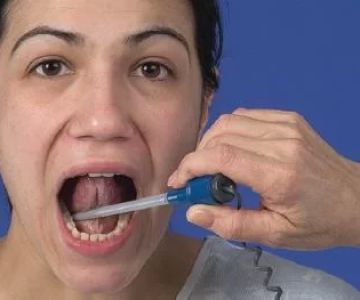
During an oral cancer screening, the healthcare professional will visually inspect the entire mouth, lips, tongue, gums, and throat. They may gently feel tissues in and around your mouth to check for lumps or abnormalities.
This exam is painless and takes only a few minutes, yet it can reveal critical signs that warrant further investigation.
2. Use of Special Diagnostic Tools
Some clinics employ special devices like VELscope or Vizilite that use light technology to highlight abnormal tissues that might not be visible under normal light. These tools can aid early detection, especially in hard-to-see areas.
3. Biopsy and Laboratory Testing
If suspicious tissue is found, a biopsy is performed to confirm whether cancer cells are present. This step is vital to establish an accurate diagnosis and decide on the best treatment plan.
Who Should Get Screened for Oral Cancer?
Oral cancer screenings are recommended for everyone, but certain groups should be especially vigilant:
1. Tobacco and Alcohol Users
Smoking or using smokeless tobacco and heavy alcohol consumption significantly increase the risk of developing oral cancer. Regular screenings are strongly advised for these individuals.
2. People with a History of HPV Infection
Human Papillomavirus (HPV), especially HPV type 16, is linked to oropharyngeal cancers. Those with HPV history should discuss screening options with their healthcare provider.
3. Individuals Over Age 40
Oral cancer risk increases with age, making routine screening after 40 important, even without symptoms.
Real-Life Story: The Power of Early Detection
Jessica, a 45-year-old school teacher from Texas, noticed a small sore on her tongue that didn’t heal for weeks. Concerned, she mentioned it during her regular dental checkup. Her dentist performed a quick oral cancer screening and referred her to an oral surgeon. A biopsy confirmed early-stage oral cancer. Thanks to early detection, Jessica received timely treatment and has been cancer-free ever since.
This story highlights how routine screenings at dental offices and timely referrals can save lives.
Finding Trusted Oral Cancer Screening Services
If you’re unsure where to go to check for oral cancer, start with your local dentist or dental clinic. Many dental offices across the United States routinely offer oral cancer screenings as part of their standard exam.
For specialized evaluation, oral surgeons and ENT specialists are available in most urban areas. Additionally, community health centers and cancer screening programs sometimes offer free or low-cost oral cancer screenings to increase public access.
To find the most reliable services and expert recommendations, consider visiting Dentistry Toothtruth, where you can access professional guidance and locate trusted clinics that prioritize oral health and cancer screening.
Tips for Maintaining Oral Health and Reducing Cancer Risk
1. Avoid Tobacco and Limit Alcohol
Eliminating tobacco and moderating alcohol intake dramatically lowers oral cancer risk.
2. Maintain Good Oral Hygiene
Regular brushing, flossing, and dental checkups help keep your mouth healthy and detect problems early.
3. Eat a Balanced Diet Rich in Fruits and Vegetables
A nutrient-rich diet supports your immune system and overall oral health.
4. Stay Alert for Changes in Your Mouth
Watch for persistent sores, lumps, or white/red patches and consult a healthcare professional if you notice anything unusual.
 The Modern Endodontist: Yarah Beddawi DDS | Root Canal Specialist in Mountain View and Los Altos4.0 (200 review)
 Dr. Rimma Sheshelovskaya, DDS5.0 (2 review)
 Hernandez Dental Care4.0 (267 review)
 Celebrate Dental & Braces5.0 (229 review)
 Steven J. Moravec, DDS, MS4.0 (189 review)
 Mele Family Dentistry4.0 (21 review)
 The Importance of Oral Health Education During Pregnancy for a Healthy Pregnancy
 Best Tips for Brushing Your Teeth Properly for Healthy Gums: Essential Techniques for Oral Health
 Why Skipping Dental Checkups Can Lead to Bigger Oral Health Problems
 Advantages of Porcelain Dental Restorations
 How Can Diabetes Cause Tooth and Gum Problems? Preventing and Managing Oral Health Issues
 Healthy Habits for Promoting Good Oral Health and Hygiene: Tips for a Healthy Smile