
Understanding Where Oral Hygiene Is the Worst in the United States
Oral hygiene is a crucial part of overall health, yet in the United States, it varies significantly across different regions and communities. Identifying where oral hygiene is the worst helps highlight the underlying causes and offers opportunities for improvement. Various studies and public health reports show that poor dental health is often concentrated in areas with limited access to dental care, economic challenges, and educational gaps.
Regions with the worst oral hygiene typically face a combination of socioeconomic and systemic barriers. These factors contribute to higher rates of tooth decay, gum disease, and other oral infections, which, if untreated, can lead to serious health problems. Recognizing these disparities is key to promoting better oral health nationwide.
1. Geographic Hotspots with Poor Oral Hygiene
Research has repeatedly identified certain states and regions where oral hygiene outcomes are notably poor. For example, states in the Southeast and parts of the Midwest often report higher percentages of untreated tooth decay among adults and children. States like Mississippi, Louisiana, West Virginia, and Kentucky rank near the bottom in oral health metrics.
This is partly due to limited availability of dental clinics in rural areas, combined with lower median incomes and educational attainment. Residents in these areas are less likely to visit a dentist regularly or afford preventive treatments, leading to worsening oral health over time.
1.1 Impact of Rural vs. Urban Environments
Rural communities tend to have worse oral hygiene than urban areas because of fewer dental professionals per capita, transportation difficulties, and less awareness about oral care. Many rural residents travel over an hour to reach a dental clinic, discouraging routine visits.
Urban centers generally offer more dental care options, but disparities still exist within cities, especially among low-income neighborhoods and minority populations. In these pockets, oral hygiene challenges remain pronounced due to financial barriers and health literacy issues.
2. Socioeconomic and Educational Factors Affecting Oral Hygiene
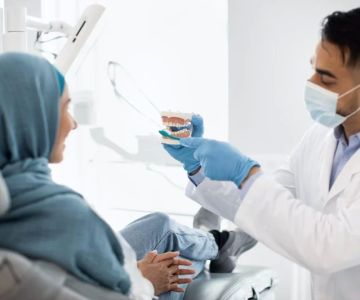
Oral hygiene is closely linked to socioeconomic status and education. Individuals from lower-income households often struggle to afford dental insurance or out-of-pocket expenses. Without coverage, preventive care like cleanings and early cavity treatments are delayed or skipped altogether.
Education plays a major role as well. People with limited knowledge about the importance of brushing, flossing, and regular dental visits tend to develop poorer oral health habits. Schools in underfunded areas may lack programs promoting dental hygiene awareness, perpetuating the cycle.
2.1 How Lifestyle and Diet Influence Oral Health
Poor diet choices common in disadvantaged communities—such as high sugar intake and processed foods—contribute significantly to dental decay. Smoking and substance abuse, more prevalent in some economically challenged areas, further exacerbate oral health problems.
Understanding these connections highlights the importance of holistic health education and community support to improve oral hygiene outcomes.
3. Personal Stories Reflecting Oral Hygiene Challenges
Consider the story of James, a middle-aged man living in rural Appalachia, who avoided dental visits for years due to lack of insurance and transportation. Eventually, he faced severe tooth decay and gum disease, requiring multiple extractions and costly treatments. His experience is far from unique and illustrates the human impact behind statistics.
On the other hand, programs in some communities have made remarkable progress. In a city-based initiative, free dental check-ups and educational workshops helped increase preventive care attendance among seniors and children, significantly improving oral hygiene over a few years.
3.1 The Role of Public Health Initiatives
Public health programs aimed at providing affordable or free dental care, school-based fluoride treatments, and oral health education have shown positive results in regions with previously poor oral hygiene. These efforts underline that access and knowledge are key to turning the tide.
4. Practical Tips to Improve Oral Hygiene Regardless of Location
While systemic issues require policy and community-level solutions, individuals can take meaningful steps to protect their oral health:
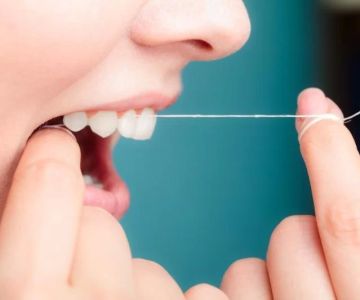
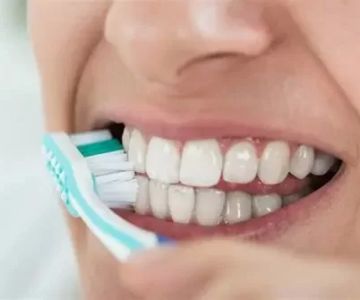
- Maintain a consistent oral care routine: Brush twice daily with fluoride toothpaste and floss regularly to remove plaque buildup.
- Limit sugary foods and beverages: Reducing sugar intake lowers the risk of cavities and gum problems.
- Use dental products recommended by professionals: Mouth rinses, fluoride treatments, and proper toothbrushes help strengthen teeth.
- Seek dental care promptly: Even if access is difficult, try to schedule regular checkups to catch issues early.
- Educate family and friends: Share knowledge about oral hygiene to build healthier habits within your community.
For those seeking expert guidance or professional dental services, Dentistry Toothtruth offers tailored solutions that accommodate diverse needs and financial situations. Their team understands the challenges many Americans face and is dedicated to helping improve oral health outcomes.
Ultimately, while some areas currently have the worst oral hygiene, awareness, education, and accessible care can help close the gap and promote healthier smiles nationwide.


 JW Dentistry (formerly Dr. Wayne Wong, DDS)5.0 (62 review)
 Charm Dental Group3.0 (14 review)
 OC Centers for Oral Surgery & Dental Implants - San Clemente5.0 (199 review)
 Bergen-Rockland Dental Associates, LLC4.0 (59 review)
 Dr. David Miller DDS5.0 (1 review)
 Chestnut Hill Smiles4.0 (330 review)
 The Importance of Oral Health Education During Pregnancy for a Healthy Pregnancy
 Best Tips for Brushing Your Teeth Properly for Healthy Gums: Essential Techniques for Oral Health
 Why Skipping Dental Checkups Can Lead to Bigger Oral Health Problems
 Advantages of Porcelain Dental Restorations
 How Can Diabetes Cause Tooth and Gum Problems? Preventing and Managing Oral Health Issues
 Healthy Habits for Promoting Good Oral Health and Hygiene: Tips for a Healthy Smile