
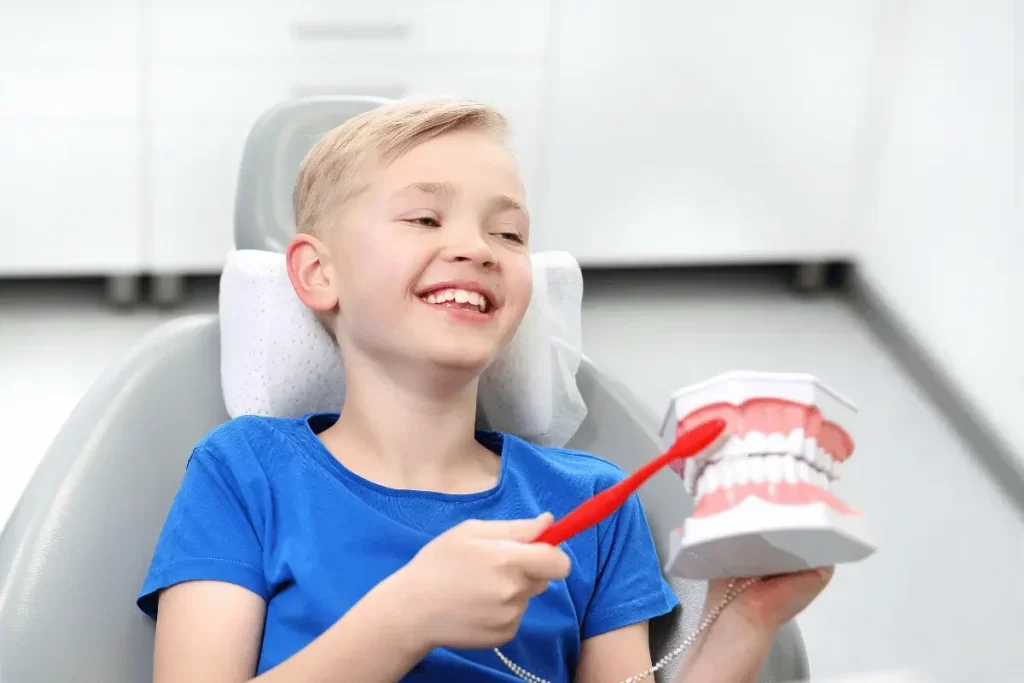
When Should I Start Brushing My Child's Teeth? Essential Tips for Early Dental Care
- 1. Understanding the Importance of Early Dental Care
- 2. When Should You Start Brushing Your Child's Teeth?
- 3. How to Brush Your Baby's Teeth Properly
- 4. Common Mistakes Parents Make When Brushing Kids' Teeth
- 5. Real-Life Experiences: Parents Share Their Stories
- 6. Next Steps: Building a Healthy Oral Care Routine
1. Understanding the Importance of Early Dental Care
Proper dental care for your child begins before their first tooth even emerges. Many parents wonder when the right time is to start brushing their baby's teeth. The sooner you start, the better the chances of preventing dental issues like cavities, plaque build-up, and gum disease. Establishing a healthy routine early on lays the foundation for a lifetime of good oral hygiene.
As your child grows, dental care evolves, and the brushing techniques will need to be adjusted. Understanding when and how to start brushing your child's teeth can set the stage for them to develop healthy habits that will last into adulthood.
2. When Should You Start Brushing Your Child's Teeth?
Many parents are surprised to learn that dental care should start before the first tooth appears. The American Academy of Pediatric Dentistry (AAPD) recommends wiping your baby’s gums with a soft, damp cloth after feedings to remove food particles and bacteria.
Once the first tooth emerges—usually between six and twelve months—it’s time to start brushing! At this stage, you can use a small, soft-bristled toothbrush with a smear of fluoride toothpaste. This is an important step in introducing your child to the routine of brushing and maintaining their oral health.
As your child gets older and more teeth come in, you can increase the amount of toothpaste used, but always make sure to use only a pea-sized amount to prevent swallowing excess fluoride.
3. How to Brush Your Baby's Teeth Properly
Brushing your baby’s teeth requires a gentle approach, especially when they are very young. Here's a step-by-step guide on how to brush your baby's teeth properly:
- Choose the Right Toothbrush: Opt for a soft-bristled toothbrush designed for babies. The brush should have a small head to reach all areas of your child’s mouth.
- Use a Rice Grain-Sized Amount of Toothpaste: For infants under 3 years old, use a tiny smear of fluoride toothpaste, about the size of a grain of rice. After age 3, you can increase it to a pea-sized amount.
- Brush Gently: Brush in small, gentle circles, focusing on the gums, teeth, and tongue. Be sure to brush the front and back of each tooth.
- Be Consistent: Establish a daily routine. Brush your baby’s teeth at least twice a day, particularly after breakfast and before bedtime.
Though it may seem challenging at first, making brushing fun and consistent helps your child get used to the routine and helps ensure they have strong, healthy teeth.
4. Common Mistakes Parents Make When Brushing Kids' Teeth
It’s easy to make mistakes when brushing your child’s teeth, especially if you’re unsure about the right techniques or products to use. Here are some common pitfalls to avoid:
- Using Too Much Toothpaste: Using too much toothpaste can lead to the child swallowing fluoride, which could result in fluorosis, a condition that affects the enamel.
- Not Brushing Long Enough: You should brush your child’s teeth for at least two minutes. Many parents rush the process, but thorough brushing ensures all surfaces are cleaned properly.
- Skipping Flossing: Even before your child’s teeth are fully erupted, you can start flossing between their teeth to remove plaque and food particles. Flossing should become part of the routine once the teeth start to touch.
By being aware of these common mistakes, you can help your child develop a positive relationship with dental care and avoid future oral health issues.
5. Real-Life Experiences: Parents Share Their Stories
Many parents find themselves worried about when and how to start brushing their child’s teeth. Below are a couple of stories shared by parents who’ve successfully navigated their child’s early dental care:
"I was nervous at first, but after my pediatric dentist showed me the right technique for brushing my baby’s teeth, I felt more confident. Now, brushing has become a fun part of our daily routine!" – Sarah L.
"My toddler wasn’t a fan of brushing at first, but using a toothbrush with his favorite character on it made it a lot more enjoyable for him. We’ve been brushing together every morning and night since his first tooth came in!" – James M.
6. Next Steps: Building a Healthy Oral Care Routine
Now that you know when to start brushing your child’s teeth, it’s time to create a healthy oral care routine that works for your family. This includes regular dentist visits, using the right toothbrush, and encouraging healthy eating habits to support your child's dental health.
If you need more guidance or are looking for pediatric dental products, visit Dentistry Toothtruth to explore a range of trusted oral care solutions for children. Start your child’s dental health journey today!






 Thai & Kiourtsis Orthodontics5.0 (66 review)
 Triplett & Livingston Dental5.0 (964 review)
 OC Centers for Oral Surgery & Dental Implants - San Clemente5.0 (199 review)
 Arthur Glosman, DDS5.0 (366 review)
 Dental Associates of Delaware-Hockessin4.0 (247 review)
 Asha Dental Lenexa5.0 (5 review)
 The Importance of Oral Health Education During Pregnancy for a Healthy Pregnancy
 Best Tips for Brushing Your Teeth Properly for Healthy Gums: Essential Techniques for Oral Health
 Why Skipping Dental Checkups Can Lead to Bigger Oral Health Problems
 Advantages of Porcelain Dental Restorations
 How Can Diabetes Cause Tooth and Gum Problems? Preventing and Managing Oral Health Issues
 Healthy Habits for Promoting Good Oral Health and Hygiene: Tips for a Healthy Smile