
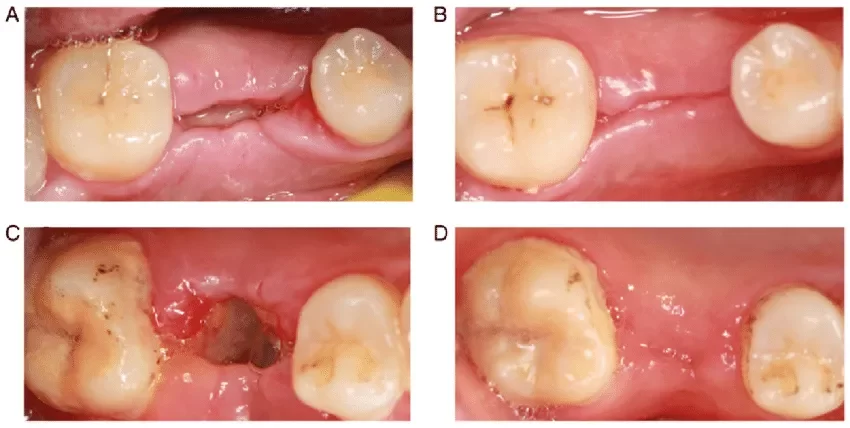
What to Expect After a Tooth Extraction: Complete Guide for Recovery
- Initial Recovery After Tooth Extraction
- Healing Process and Timeline
- Managing Pain and Discomfort
- Complications and When to See a Dentist
Initial Recovery After Tooth Extraction
After your tooth extraction, the first few hours and days are crucial for a smooth recovery. Right after the procedure, you can expect some swelling and discomfort in the area where the tooth was removed. This is normal and part of the body’s natural healing response.
Your dentist or oral surgeon will likely provide you with detailed instructions on what to do immediately after the extraction, such as biting down on gauze to control bleeding and avoiding using a straw or spitting to prevent dislodging the blood clot that forms in the socket.
It’s important to rest and take it easy during the initial recovery period. Avoid strenuous physical activities for a couple of days and follow all aftercare instructions to promote healing and reduce the risk of complications.
Healing Process and Timeline
The healing process after a tooth extraction can vary depending on the complexity of the extraction, your overall health, and how well you follow post-operative care instructions. However, here’s a general timeline of what you can expect:
1. First 24-48 Hours
During the first 24 to 48 hours after the extraction, you’ll experience some swelling, bruising, and discomfort. This is the most critical time for following the aftercare instructions, including applying ice packs to the face to reduce swelling and taking prescribed pain medications as needed. You may also notice some blood in your saliva, which should subside after a few hours.
2. First Week
By the end of the first week, the pain and swelling should start to decrease. You’ll need to avoid hard, chewy, or hot foods to protect the extraction site. Gently rinse your mouth with warm salt water after meals to keep the area clean, but avoid vigorous rinsing that could dislodge the blood clot.
3. 2 to 4 Weeks
In two to four weeks, most of the discomfort and swelling should be gone, and the soft tissue around the extraction site will begin to heal. However, bone healing takes longer, so complete healing of the extraction site may take several months, especially if you had a surgical extraction.
Managing Pain and Discomfort
It’s normal to experience some pain and discomfort after a tooth extraction, but there are several ways to manage it effectively:
1. Over-the-Counter Pain Relief
For mild discomfort, you can take over-the-counter pain relievers like ibuprofen or acetaminophen, as recommended by your dentist. These medications help reduce pain and inflammation.
2. Prescription Painkillers
If you had a more complicated extraction, your dentist may prescribe stronger painkillers. Follow the instructions carefully to avoid side effects or dependency, and never exceed the recommended dosage.
3. Cold Compress
Applying a cold compress or ice pack to the outside of your cheek can help reduce swelling and numb the area, providing relief from pain. Make sure to wrap the ice in a cloth to protect your skin from frostbite.
4. Elevation
Try to keep your head elevated, even while sleeping, to minimize swelling. Prop your head up with pillows to avoid lying flat, which can increase blood flow to the extraction site.
Complications and When to See a Dentist
While most tooth extractions heal without issue, some complications can occur. It’s essential to monitor your recovery and be aware of signs that may indicate a problem:
1. Severe Pain
If your pain worsens after a few days or becomes unmanageable despite pain relief, it could indicate an infection or a dry socket (when the blood clot dislodges from the socket). Contact your dentist immediately if you experience intense pain that doesn’t subside with medication.
2. Prolonged Swelling or Bleeding
Swelling is common in the first 48 hours, but if the swelling doesn’t go down or if bleeding persists after the first few hours, it’s important to seek professional care to rule out infection or other complications.
3. Signs of Infection
Signs of infection include fever, red or swollen gums around the extraction site, a bad taste in the mouth, or pus oozing from the wound. If you experience any of these symptoms, contact your dentist as soon as possible.
Remember, taking the proper steps for post-operative care and attending follow-up appointments will help ensure a smooth and successful recovery after your tooth extraction.
Need Help with Tooth Extraction Aftercare?
If you're experiencing challenges during your recovery, it’s important to consult with your dentist. For expert dental care and advice on tooth extraction recovery, visit Dentistry Toothtruth for further assistance and guidance to ensure your healing process goes smoothly.



 All Family Dental and Braces4.0 (689 review)
 SoCO Smiles Orthodontics4.0 (187 review)
 Tamaro Frank a DDS0.0 (0 review)
 Prosthodontics of Ho-Ho-Kus: Michael W. Klotz, DMD, MDentSc, FACP4.0 (27 review)
 Smiles Orthodontics4.0 (158 review)
 83rd Marketplace Dental Care4.0 (270 review)
 The Importance of Oral Health Education During Pregnancy for a Healthy Pregnancy
 Best Tips for Brushing Your Teeth Properly for Healthy Gums: Essential Techniques for Oral Health
 Why Skipping Dental Checkups Can Lead to Bigger Oral Health Problems
 Advantages of Porcelain Dental Restorations
 How Can Diabetes Cause Tooth and Gum Problems? Preventing and Managing Oral Health Issues
 Healthy Habits for Promoting Good Oral Health and Hygiene: Tips for a Healthy Smile