
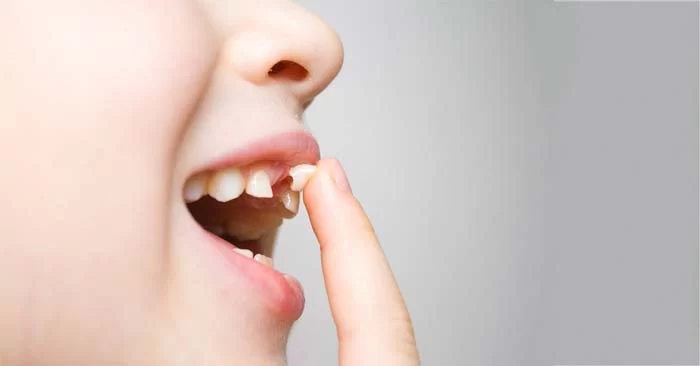
What to Do If Your Tooth Is Loose: A Guide to Caring for Loose Teeth
- Causes of Loose Teeth
- Immediate Action for a Loose Tooth
- Long-Term Care for Loose Teeth
- When to See a Dentist
1. Causes of Loose Teeth
Loose teeth can occur for a variety of reasons, from trauma and injury to underlying health conditions. Understanding the cause of the looseness is the first step in determining the best course of action. Here are some common causes:
- Injury or Trauma: A direct hit to the face or mouth can cause a tooth to become loose. This is common in sports or accidents.
- Gum Disease (Periodontal Disease): Gum disease is a leading cause of loose teeth. It affects the supporting structures of the teeth, including the gums and bone, leading to tooth mobility.
- Tooth Decay: Severe decay can weaken the structure of the tooth, making it more likely to become loose.
- Bruxism (Teeth Grinding): Chronic teeth grinding can put pressure on the teeth, eventually causing them to loosen.
- Age: As people age, teeth may naturally become looser due to changes in bone density and gum health.
Identifying the cause of a loose tooth is crucial to choosing the right treatment method.
2. Immediate Action for a Loose Tooth
If you discover that your tooth is loose, there are several steps you can take immediately to reduce discomfort and prevent further damage. Follow these tips:
- Avoid Eating Hard Foods: Avoid chewing hard foods on the affected side of your mouth to prevent aggravating the loose tooth.
- Rinse with Salt Water: Rinse your mouth gently with warm salt water to help reduce inflammation and kill bacteria. This will also aid in the healing process.
- Avoid Touching the Tooth: Do not use your fingers or tongue to touch the loose tooth. This can exacerbate the looseness and cause further irritation to the gums.
- Use a Cold Compress: If there is pain or swelling associated with the loose tooth, apply a cold compress to reduce swelling and discomfort.
Taking immediate action can prevent the situation from worsening and help ease the discomfort.
3. Long-Term Care for Loose Teeth
In addition to immediate care, long-term care is essential to promote healing and prevent the tooth from becoming more loose. Here are some strategies:
- Maintain Good Oral Hygiene: Keep the affected area clean by brushing gently with a soft toothbrush and flossing carefully around the tooth. Avoid vigorous brushing, as it can cause further damage.
- Use a Mouthguard for Protection: If you grind your teeth at night, consider using a mouthguard to protect your teeth from further damage and pressure.
- Eat Soft Foods: Eating soft foods will reduce the strain on your loose tooth, helping to prevent additional mobility and promote healing.
- Strengthen Your Gums: Eat a diet rich in calcium and vitamins, which can help strengthen your gums and bones. Additionally, consider using an antimicrobial mouthwash to reduce bacteria and support gum health.
Following these long-term care recommendations can help restore the stability of your tooth and maintain oral health.
4. When to See a Dentist
If your tooth remains loose or if you experience severe pain, bleeding, or signs of infection, it’s important to seek professional dental care immediately. A dentist will be able to assess the cause of the loose tooth and recommend the appropriate treatment. Some common dental treatments for loose teeth include:
- Splinting: A dentist may use a splint to stabilize the loose tooth and allow the surrounding tissue to heal.
- Periodontal Treatment: If gum disease is the cause, the dentist may perform treatments such as scaling and root planing to clean the gums and strengthen the support around the tooth.
- Tooth Extraction: In severe cases, the dentist may recommend extracting the loose tooth if it cannot be saved.
Early intervention from a dentist can prevent further complications and provide the best chance for saving your tooth.
If you're experiencing a loose tooth, don’t wait for the problem to worsen. Learn more about dental care and treatments by visiting Dentistry Toothtruth for expert advice and top-quality dental products.






 Gold Coast Dental - Rancho Santa Margarita3.0 (7 review)
 Shiney Smiles Orthodontics5.0 (165 review)
 Bindi Patel D.D.S4.0 (77 review)
 Red Dirt Orthodontics5.0 (912 review)
 Universal Dentistry4.0 (273 review)
 Heritage Grove Family Dental - Plainfield Dental Clinic4.0 (1397 review)
 The Importance of Oral Health Education During Pregnancy for a Healthy Pregnancy
 Best Tips for Brushing Your Teeth Properly for Healthy Gums: Essential Techniques for Oral Health
 Why Skipping Dental Checkups Can Lead to Bigger Oral Health Problems
 Advantages of Porcelain Dental Restorations
 How Can Diabetes Cause Tooth and Gum Problems? Preventing and Managing Oral Health Issues
 Healthy Habits for Promoting Good Oral Health and Hygiene: Tips for a Healthy Smile