
What to Do if Your Dental Crown Falls Off: Quick Fixes and Professional Solutions
- 1. Understanding Dental Crowns and Their Purpose
- 2. Immediate Steps to Take if Your Dental Crown Falls Off
- 3. Temporary Solutions to Hold Your Crown in Place
- 4. When to See a Dentist for Your Dental Crown
- 5. How to Prevent Future Crown Issues
1. Understanding Dental Crowns and Their Purpose
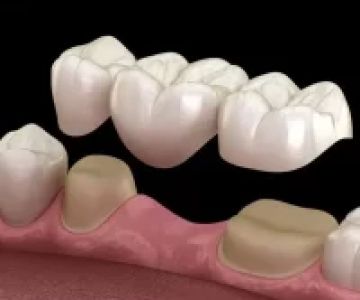
A dental crown is a cap placed over a damaged or decayed tooth to restore its shape, size, and strength. Crowns are designed to last for many years, but accidents can happen, leading to your crown falling off. Understanding why crowns are used and the potential issues that can cause them to dislodge will help you respond appropriately in case of an emergency.
Crowns are typically made of materials such as porcelain, ceramic, metal, or a combination of these. They are often used after root canal treatments or to protect weakened teeth. However, various factors, such as wear and tear, poor dental hygiene, or trauma to the mouth, can lead to the crown coming loose.
2. Immediate Steps to Take if Your Dental Crown Falls Off
If your dental crown falls off, don’t panic. It’s important to remain calm and take quick action to minimize discomfort and prevent further damage. Here’s what to do:
- 1. Retrieve the Crown: First, find the crown if it has fallen off. Check your mouth and any surrounding areas to ensure you have the crown. If you can find it, rinse it gently with water to clean off any debris.
- 2. Assess the Tooth: Check the tooth underneath the crown. If there is no pain, it’s likely that the crown has simply come loose. However, if you experience discomfort or if the tooth looks damaged, this could require professional care.
- 3. Avoid Eating on the Affected Side: Until your crown is reattached or replaced, avoid chewing on the side where the crown fell off to prevent further damage to your tooth or discomfort.
3. Temporary Solutions to Hold Your Crown in Place
If you are unable to see a dentist immediately, there are a few temporary solutions you can use to keep your crown in place until you can get professional help. These solutions are not long-term fixes but can help alleviate discomfort and protect your tooth in the meantime:
- Temporary Dental Cement: You can purchase over-the-counter dental cement at most pharmacies. This product is designed to temporarily secure your crown back onto the tooth. Follow the instructions carefully and ensure that the crown is aligned properly before it hardens.
- Dental Wax: Dental wax can also be used to cover the exposed area temporarily. It will not hold the crown in place as securely as dental cement, but it can prevent irritation to the gums and reduce discomfort.
- Clove Oil for Pain Relief: If you experience pain or sensitivity after your crown falls off, applying a small amount of clove oil can provide temporary relief. It acts as a natural numbing agent and may help ease discomfort until you can visit the dentist.
4. When to See a Dentist for Your Dental Crown
While a temporary solution can help in the short term, it’s essential to see a dentist as soon as possible to fix the issue permanently. A dentist will be able to assess the condition of the tooth and the crown, ensuring that no further damage has occurred and that the crown can be reattached or replaced.
In some cases, the tooth under the crown may be weakened or damaged, requiring additional treatments, such as a root canal or filling, before the crown can be reattached. Your dentist will advise you on the best course of action based on the severity of the situation.
5. How to Prevent Future Crown Issues
To avoid future problems with your dental crown, it’s important to follow a few preventive measures:
- Maintain Good Oral Hygiene: Brush and floss regularly to prevent plaque buildup around the crown, which can weaken the bond between the crown and the tooth.
- Avoid Hard Foods: Avoid chewing on hard objects such as ice, popcorn kernels, or hard candy that can dislodge or damage your crown.
- Regular Dental Checkups: Visit your dentist regularly for checkups and cleanings. They can check the integrity of your crown and address any issues before they become major problems.
If your dental crown has fallen off, it’s essential to act quickly and seek professional care. If you’re looking for reliable dental care, you can visit Dentistry Toothtruth for expert advice and solutions to all your dental concerns. Don’t wait — schedule a consultation today to get your dental crown issue resolved!

 Smile Works Dentistry & Orthodontics in Lake Forest4.0 (35 review)
 Dentistry for Children - Cumming Midway4.0 (275 review)
 Dentistry at Greenway4.0 (121 review)
 Tri City Endodontics5.0 (4 review)
 Leading Edge Oral Surgery Massapequa5.0 (1175 review)
 Gessel Orthodontics5.0 (5 review)
 The Importance of Oral Health Education During Pregnancy for a Healthy Pregnancy
 Best Tips for Brushing Your Teeth Properly for Healthy Gums: Essential Techniques for Oral Health
 Why Skipping Dental Checkups Can Lead to Bigger Oral Health Problems
 Advantages of Porcelain Dental Restorations
 How Can Diabetes Cause Tooth and Gum Problems? Preventing and Managing Oral Health Issues
 Healthy Habits for Promoting Good Oral Health and Hygiene: Tips for a Healthy Smile