
1. The Importance of Oral Hygiene
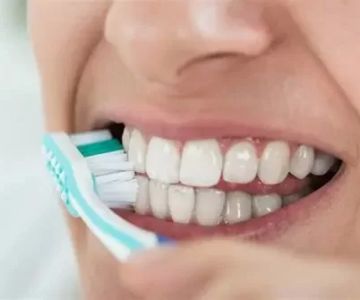
Oral hygiene is often one of the most overlooked aspects of personal health, but it plays a crucial role in overall well-being. Brushing your teeth, flossing, and regular dental check-ups are essential in maintaining not only a healthy smile but also a healthy body. Poor oral hygiene can lead to numerous health issues, including gum disease, tooth decay, and even more serious conditions like heart disease.
1.1 The Connection Between Oral Health and Overall Health
Studies have shown that poor oral hygiene can affect more than just the teeth and gums. In fact, research has linked oral health to a variety of systemic conditions such as heart disease, diabetes, and respiratory problems. For example, gum disease has been shown to increase the risk of heart disease, and bacteria from gum infections can enter the bloodstream, causing inflammation in other parts of the body.
2. Oral Hygiene Habits in the United States
The habits surrounding oral hygiene vary widely across different populations and regions. The level of importance placed on oral hygiene can significantly impact health outcomes. While most people in the U.S. understand the importance of brushing and flossing, not everyone practices these habits consistently. But what percentage of the population in the U.S. actually cares about oral hygiene?
2.1 Survey Results on Oral Hygiene Awareness
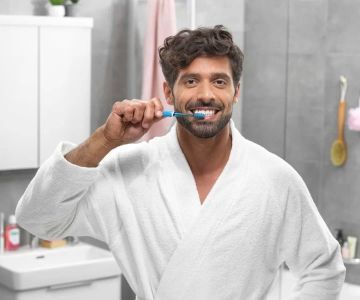
According to a 2020 survey conducted by the American Dental Association (ADA), about 75% of adults in the United States brush their teeth at least twice a day. However, only 50% of adults floss regularly, and a staggering 32% of adults report not visiting a dentist for regular check-ups. This highlights a significant gap in oral hygiene habits, suggesting that while many people care about brushing, they may not prioritize other important habits like flossing and professional dental care.
2.2 Age and Gender Differences in Oral Hygiene Habits
Oral hygiene practices also vary based on factors such as age and gender. Younger adults, especially those between the ages of 18 and 24, are less likely to visit a dentist regularly compared to older adults. In terms of gender, women tend to be more proactive about maintaining good oral hygiene habits, with a higher percentage reporting regular brushing, flossing, and dental visits compared to men.
3. The Impact of Cultural and Economic Factors on Oral Hygiene
Oral hygiene habits in the U.S. are not only influenced by individual attitudes but also by cultural and economic factors. For example, access to dental care is a significant factor in determining how well individuals maintain their oral health. In lower-income areas, many people lack access to affordable dental care, leading to neglected oral hygiene and a higher incidence of dental problems.
3.1 Cultural Beliefs About Oral Hygiene
Cultural beliefs and practices can also impact how much emphasis is placed on oral hygiene. In some cultures, regular dental visits may not be prioritized, while in others, oral health is highly valued. Public health campaigns have sought to increase awareness of the importance of oral hygiene, but the impact of these campaigns can vary depending on cultural contexts and local health systems.
3.2 Economic Barriers to Proper Oral Hygiene
Another barrier to good oral hygiene is the cost of dental care. For many Americans, dental insurance is not always affordable or comprehensive. As a result, individuals may skip regular check-ups, leading to more serious dental issues down the road. Some surveys suggest that nearly one in four adults in the U.S. has avoided seeing a dentist due to cost concerns, which can exacerbate oral health problems.
4. How Oral Hygiene Habits Affect Long-Term Health
Oral hygiene is not just about avoiding bad breath or maintaining a bright smile. Good oral health is linked to better overall health, while neglecting oral care can lead to long-term consequences. Gum disease, for instance, has been linked to systemic conditions such as heart disease, diabetes, and strokes. Taking care of your teeth and gums can prevent these health issues and help you live a longer, healthier life.
4.1 The Role of Regular Dental Visits
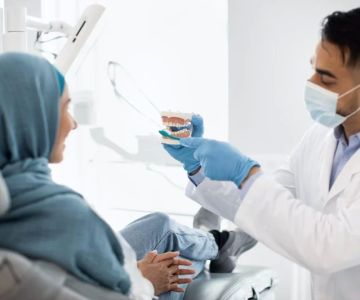
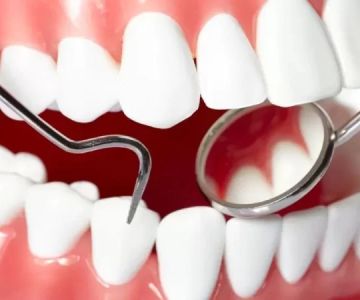
Regular dental visits are key to catching potential issues early. Dentists not only clean your teeth but also check for signs of gum disease, cavities, and other oral health problems that might not be visible to the naked eye. By visiting the dentist every six months, you can ensure that your oral health is in top shape and that any issues are addressed before they become more serious.
4.2 Preventative Measures to Improve Oral Hygiene
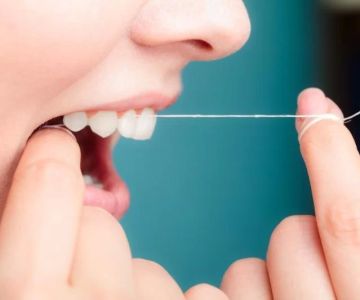
To improve your oral hygiene, consider taking preventive measures such as using fluoride toothpaste, drinking plenty of water, and avoiding sugary snacks that can lead to cavities. Additionally, incorporating flossing into your daily routine can remove food particles and plaque from between your teeth, which brushing alone cannot do. The combination of brushing, flossing, and regular dental visits can help you maintain excellent oral hygiene and overall health.
5. Public Health Campaigns and Their Effectiveness
In the U.S., public health campaigns play an important role in promoting good oral hygiene. The Centers for Disease Control and Prevention (CDC) and the American Dental Association (ADA) have launched various initiatives to educate the public about the importance of oral health and encourage regular dental care. These campaigns have been successful in raising awareness, but they still face challenges in reaching certain populations, particularly those who are uninsured or underinsured.
5.1 Dental Hygiene Education in Schools
One of the most effective ways to promote good oral hygiene habits is through education, starting at a young age. Schools and community programs that teach children about the importance of brushing, flossing, and visiting the dentist help lay the foundation for lifelong oral care habits. Early education has been shown to have a positive impact on children's oral health, setting them on the path to good habits as they grow up.
5.2 Government Initiatives and Dental Care Access
Government programs such as Medicaid and the Children’s Health Insurance Program (CHIP) provide dental care access to low-income families. These programs aim to reduce oral health disparities and ensure that all Americans, regardless of income, can receive necessary dental care. However, despite these efforts, millions of Americans still lack access to affordable dental services, which remains a significant barrier to maintaining good oral hygiene.
6. Conclusion: The Ongoing Need for Oral Hygiene Awareness
While a large percentage of the population in the U.S. understands the importance of oral hygiene, there is still much work to be done to ensure that everyone practices good oral care habits. By improving access to dental care, providing better education, and encouraging regular dental visits, we can ensure that more Americans take better care of their oral health. Ultimately, good oral hygiene is not only about having a bright smile but also about improving overall health and preventing serious conditions in the future.

 D3 Dental of Horsham4.0 (342 review)
 Maple Grove Dental5.0 (264 review)
 Bright Now! Dental & Orthodontics3.0 (414 review)
 Affordable Dentures & Implants4.0 (757 review)
 McLemore Dentistry4.0 (330 review)
 All Star Dental Clinic4.0 (322 review)
 The Importance of Oral Health Education During Pregnancy for a Healthy Pregnancy
 Best Tips for Brushing Your Teeth Properly for Healthy Gums: Essential Techniques for Oral Health
 Why Skipping Dental Checkups Can Lead to Bigger Oral Health Problems
 Advantages of Porcelain Dental Restorations
 How Can Diabetes Cause Tooth and Gum Problems? Preventing and Managing Oral Health Issues
 Healthy Habits for Promoting Good Oral Health and Hygiene: Tips for a Healthy Smile