
What Kind of Disease Can You Get from Oral Health Issues
Oral health is far more important than just keeping your smile bright. Poor oral hygiene and untreated dental problems can lead to a wide range of diseases that impact not only your mouth but also your overall health. The mouth is the gateway to the body, and infections here can spread, causing serious conditions. Understanding what kind of disease you can get from oral issues is essential for prevention and long-term wellness.
1. Gum disease and its impact
1.1 Gingivitis as an early warning
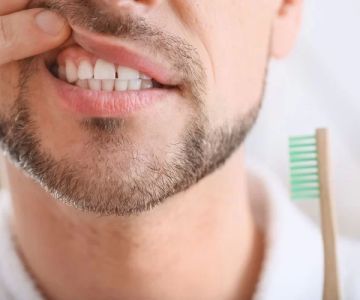
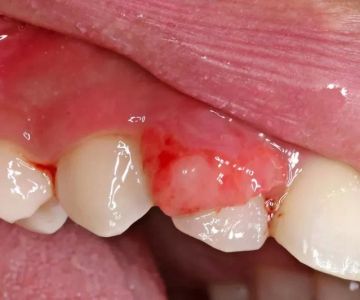
Gingivitis is the first stage of gum disease. It begins with swollen, bleeding gums and is often caused by plaque buildup around the teeth. While gingivitis itself is reversible with proper care, ignoring it can lead to more serious oral health diseases. Many patients underestimate bleeding gums, but this sign should never be ignored.
1.2 Periodontitis and tooth loss
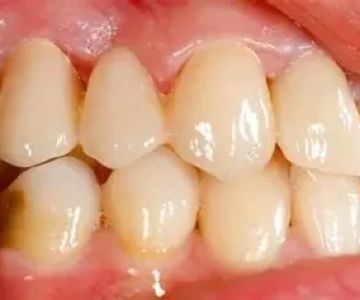
When gingivitis progresses, it develops into periodontitis, a severe gum infection that damages the soft tissue and bone supporting the teeth. This stage can lead to loose teeth, chronic infection, and eventual tooth loss. Beyond the mouth, studies have shown that untreated periodontitis is linked with higher risks of heart disease and diabetes complications.
2. Oral infections and abscesses
2.1 Tooth abscesses and spreading infection
An untreated cavity or cracked tooth can lead to a dental abscess, which is a pocket of pus caused by bacterial infection. Abscesses cause severe pain, swelling, and sometimes fever. If the infection spreads to the bloodstream, it can result in sepsis, a life-threatening condition. This makes oral infections one of the most dangerous dental complications when ignored.
2.2 Sinus infections linked to oral health
In some cases, upper tooth infections can spread into the sinuses, leading to sinusitis. Patients often confuse sinus pain with regular dental pain until imaging reveals the true cause. This shows how closely oral health is connected with other systems in the body.
3. Systemic diseases linked to oral health
3.1 Cardiovascular complications
Researchers have found that bacteria from gum disease can enter the bloodstream, leading to inflammation of blood vessels. This increases the risk of heart attack and stroke. Patients with chronic gum disease often show higher levels of arterial plaque buildup, suggesting a strong link between oral and heart health.
3.2 Diabetes and poor oral health
Diabetes makes patients more susceptible to infections, including gum disease. At the same time, gum disease can worsen blood sugar control, creating a dangerous cycle. Regular dental checkups are especially important for diabetic patients to prevent further complications.
3.3 Respiratory infections
Poor oral hygiene can also contribute to respiratory problems. Bacteria from the mouth can be inhaled into the lungs, causing pneumonia or aggravating chronic conditions like COPD. Elderly patients in nursing homes are particularly at risk, making oral hygiene a vital part of overall care.
4. Oral cancer risks
4.1 Early detection saves lives
Oral cancer often begins as small sores, patches, or lumps in the mouth that don’t heal. Risk factors include smoking, alcohol consumption, and HPV infection. Dentists play a crucial role in detecting early signs of oral cancer during routine exams, giving patients a much better chance of successful treatment.
4.2 Real patient experiences
In 2021, a case was shared about a patient who ignored a persistent sore on his tongue for months, assuming it was a minor irritation. By the time he sought care, the sore was diagnosed as oral cancer. Early intervention could have made treatment much simpler. This highlights why paying attention to even small oral health changes is vital.
5. Preventing oral health-related diseases
5.1 Daily habits that protect your health
Brushing twice a day, flossing daily, and using antibacterial mouthwash can prevent most oral diseases. Limiting sugary foods and drinks reduces the risk of cavities, while quitting smoking lowers the risk of oral cancer and gum disease. Good oral hygiene is not just about teeth—it protects your whole body.
5.2 The role of professional care
Even with excellent home care, professional checkups and cleanings are essential. Dentists can identify early signs of disease, perform deep cleanings, and provide tailored advice. For reliable and expert guidance, Family Dentistry Online offers comprehensive care to protect both your oral and overall health.


 Robert Niles5.0 (2 review)
 Bella Smiles: Diana Pop, DDS0.0 (0 review)
 Utah Periodontal Specialists South Jordan4.0 (239 review)
 Taunton Oral Health Center3.0 (21 review)
 Justin Sorenson, DMD4.0 (8 review)
 Fifth Avenue Dental4.0 (750 review)
 The Importance of Oral Health Education During Pregnancy for a Healthy Pregnancy
 Best Tips for Brushing Your Teeth Properly for Healthy Gums: Essential Techniques for Oral Health
 Why Skipping Dental Checkups Can Lead to Bigger Oral Health Problems
 Advantages of Porcelain Dental Restorations
 How Can Diabetes Cause Tooth and Gum Problems? Preventing and Managing Oral Health Issues
 Healthy Habits for Promoting Good Oral Health and Hygiene: Tips for a Healthy Smile