
- 1. Understanding Orthodontic Treatment and Insurance Coverage
- 2. What Does Insurance Typically Cover for Orthodontic Treatments?
- 3. Types of Insurance That Cover Orthodontic Treatment
- 4. Costs and Coverage Limits for Orthodontic Care
- 5. Real-Life Examples of Insurance Coverage for Orthodontics
1. Understanding Orthodontic Treatment and Insurance Coverage
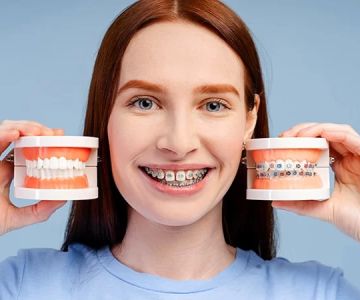
Orthodontic treatments, such as braces or clear aligners, are commonly used to straighten teeth and correct bite issues. These treatments are essential for improving both the appearance and functionality of your teeth. However, they can be quite costly, which is where insurance coverage comes into play. Many people wonder, "What is the coverage for orthodontic treatments with insurance?"
Insurance can help reduce the out-of-pocket cost for orthodontic treatments, but the extent of coverage varies depending on the provider and the type of insurance plan. Some plans may offer full coverage for certain treatments, while others may cover only a portion of the cost, or not cover orthodontics at all.
2. What Does Insurance Typically Cover for Orthodontic Treatments?
The coverage for orthodontic treatments typically depends on the type of dental insurance plan you have. Here are some common areas of coverage:
1. Basic Orthodontic Coverage
Many dental insurance policies offer basic coverage for orthodontics, especially for children. This may include a percentage of the overall treatment cost for traditional braces or other orthodontic devices. The coverage may be capped, meaning there is a maximum amount that the insurance company will pay toward orthodontic care.
2. Adult Orthodontic Coverage
While insurance policies traditionally focused on children’s dental care, more plans now provide coverage for adult orthodontic treatments as well. This is often more limited than the coverage for children and may only cover certain types of braces or treatments.
3. Coverage for Specific Treatments
Some policies offer specific coverage for certain types of orthodontic treatments, like clear aligners or traditional metal braces. Make sure to review your plan’s details to determine whether your preferred treatment is covered.
3. Types of Insurance That Cover Orthodontic Treatment
There are different types of insurance that may provide orthodontic coverage. Here are some of the most common:
1. Dental Insurance
Many dental insurance plans include orthodontic coverage, although it may be subject to limits and conditions. In some cases, dental insurance may provide coverage for children up to a certain age, and partial coverage for adult orthodontic treatments. Coverage might be offered under a separate orthodontic rider, which requires an additional premium.
2. Health Insurance
Health insurance plans, especially those offered through the Affordable Care Act (ACA), may offer some orthodontic coverage, but it is more common for dental insurance to cover these treatments. Some health insurance plans cover orthodontics when medically necessary, such as in cases of severe bite issues or jaw misalignments that affect chewing or speaking.
3. Flexible Spending Accounts (FSAs) and Health Savings Accounts (HSAs)
FSAs and HSAs allow you to set aside pre-tax dollars to pay for medical expenses, including orthodontic treatments. These accounts can be used to cover out-of-pocket expenses related to braces, clear aligners, and other orthodontic care, even if your primary insurance does not provide sufficient coverage.
4. Costs and Coverage Limits for Orthodontic Care
The costs for orthodontic treatments can vary widely, depending on factors such as the type of treatment, the complexity of the case, and your location. Insurance coverage often has limits, which means that you may still be responsible for a portion of the total cost.
1. Average Costs of Orthodontic Treatments
Traditional metal braces can cost between $3,000 and $7,000 or more. Clear aligners, such as Invisalign, can range from $4,000 to $8,000. The exact cost depends on the duration of the treatment, the provider, and whether any additional procedures are necessary.
2. Insurance Coverage Limits
Many insurance policies limit the amount they will pay for orthodontics. For example, they might cover 50% of the cost up to a certain maximum amount, such as $1,000 to $2,000. After the insurance covers its portion, you will be responsible for the remaining balance.
3. Additional Costs
In addition to the treatment itself, there may be other costs involved, such as initial consultation fees, retainers after treatment, and periodic adjustments. Some plans cover only the basic treatment, while others may offer more comprehensive coverage, including follow-up visits.
5. Real-Life Examples of Insurance Coverage for Orthodontics
Let’s look at a few real-life examples to illustrate how different insurance plans may cover orthodontic treatments:
1. Example: Child’s Braces with Full Coverage
A 12-year-old child required traditional braces for misaligned teeth. The family’s dental insurance plan covered 80% of the treatment costs, with a cap of $2,500. The remaining $500 was paid out-of-pocket by the parents.
2. Example: Adult Treatment with Partial Coverage
An adult patient sought Invisalign clear aligners to straighten their teeth. Their dental insurance plan provided 50% coverage up to a maximum of $2,000, leaving the patient responsible for the remaining $3,000. They used their FSA to cover the out-of-pocket expenses.
3. Example: Coverage for Medical Necessity
A patient with severe bite issues and difficulty chewing was able to get some coverage for orthodontics under their health insurance plan. The plan covered the majority of the treatment, as the procedure was deemed medically necessary.

 Peninsula Family Dentistry5.0 (193 review)
 Stephanie ML Wong, DMD, Inc.5.0 (1 review)
 RVA Dental Care4.0 (590 review)
 Brace Busters3.0 (2 review)
 Uncasville Dental Associates4.0 (103 review)
 Jay M. Goldberg, DDS5.0 (1 review)
 The Importance of Oral Health Education During Pregnancy for a Healthy Pregnancy
 Best Tips for Brushing Your Teeth Properly for Healthy Gums: Essential Techniques for Oral Health
 Why Skipping Dental Checkups Can Lead to Bigger Oral Health Problems
 Advantages of Porcelain Dental Restorations
 How Can Diabetes Cause Tooth and Gum Problems? Preventing and Managing Oral Health Issues
 Healthy Habits for Promoting Good Oral Health and Hygiene: Tips for a Healthy Smile