
What Is the Coverage for Dental Surgeries with Insurance? Understanding Your Dental Insurance Options
- Types of Dental Surgeries Covered by Insurance
- What to Know About Dental Surgery Coverage
- How Insurance Plans Define Dental Surgery Coverage
- Tips for Maximizing Dental Surgery Coverage
- Common Dental Surgeries Not Covered by Insurance
1. Types of Dental Surgeries Covered by Insurance
Dental insurance is designed to help cover the cost of many dental surgeries that may be necessary for your oral health. Here are some common types of dental surgeries typically covered by most dental insurance plans:
- Tooth Extractions: Whether it’s for a problematic wisdom tooth or a severely decayed tooth, extractions are one of the most commonly covered dental surgeries.
- Root Canals: If your tooth is severely infected, a root canal procedure is often covered by dental insurance to save the tooth and alleviate pain.
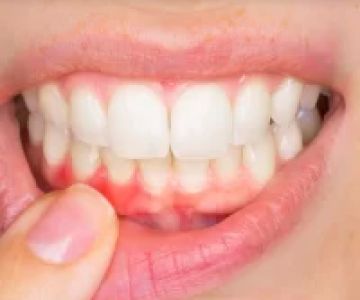
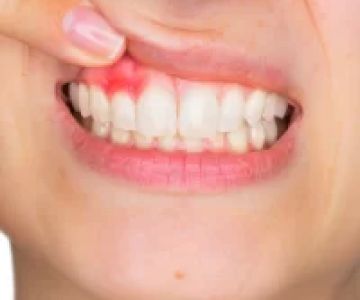
- Periodontal Surgery: This type of surgery, which treats advanced gum disease, is usually covered when deemed medically necessary to restore oral health.
- Dental Implants: In many cases, dental implants are covered if they’re considered necessary due to tooth loss or injury, but some insurance policies may only cover part of the cost.
- Oral Surgery for Accidents or Trauma: If you need oral surgery as a result of an accident, many insurance policies will cover a portion of the surgery costs, depending on the situation.
These procedures are essential to maintaining your oral health, and insurance can help mitigate the high costs typically associated with them.
2. What to Know About Dental Surgery Coverage
Dental insurance coverage for surgeries can vary greatly between providers and plans. It's essential to understand the specifics of your coverage before undergoing any procedure. Here are a few things you should know:
- Policy Limits: Some plans may have limits on the amount they will cover for dental surgeries, especially for cosmetic procedures like implants. Be sure to review your policy details to understand these limitations.
- Deductibles and Co-pays: Dental insurance may have deductibles and co-pays that you will need to pay out of pocket before the insurance kicks in. This is common for surgeries that fall under major dental work.
- Pre-authorization Requirements: Many insurance providers require pre-authorization before covering certain dental surgeries. This means you may need to get approval from your insurer before your surgery is performed.
- Coverage for Specialists: If your surgery requires a specialist, such as an oral surgeon or periodontist, be sure that your insurance plan covers treatments by specialists.
Understanding these key points can help you avoid surprises when it comes to paying for your dental surgeries.
3. How Insurance Plans Define Dental Surgery Coverage
Different insurance plans have different definitions of what qualifies as dental surgery and how much coverage you will receive. Some plans only cover basic surgeries, while others may cover more advanced procedures. Here’s a breakdown of how insurance plans typically categorize dental surgery:
- Basic vs. Major Dental Procedures: Many insurance plans classify dental procedures into "basic" (e.g., fillings, cleanings) and "major" (e.g., extractions, implants) categories. Major dental surgeries are often subject to higher deductibles and co-pays.
- Medically Necessary vs. Cosmetic: Some dental procedures, like orthodontics or implants, may only be covered if they are deemed medically necessary. Cosmetic procedures, such as teeth whitening or veneers, are typically not covered.
- Emergency vs. Elective Surgeries: Emergency dental surgeries, such as those needed after an accident, are often covered by insurance plans, while elective procedures (like certain cosmetic surgeries) may not be covered.
Before undergoing any dental surgery, make sure you understand how your insurance plan classifies the procedure, as this can affect your coverage and costs.
4. Tips for Maximizing Dental Surgery Coverage
To make the most of your dental insurance for surgeries, consider the following tips:
- Know Your Coverage Limits: Review your dental insurance policy and understand your coverage limits, co-pays, and deductibles before scheduling a surgery.
- Get a Pre-Authorization: For any major dental procedures, it's often best to get pre-authorization from your insurance provider to avoid unexpected expenses.
- Choose In-Network Providers: Using in-network dentists and specialists can help reduce the out-of-pocket costs associated with dental surgery, as insurance plans typically cover a larger percentage of costs for in-network providers.
- Consider Payment Plans: If the costs of surgery exceed your coverage, inquire about payment plans or financing options to help manage the expenses.
These strategies can help reduce your financial burden and ensure that you are getting the most out of your dental insurance coverage for surgeries.
5. Common Dental Surgeries Not Covered by Insurance
While dental insurance often covers many essential surgeries, there are some procedures that may not be covered under standard plans. These can include:
- Cosmetic Dental Procedures: Procedures such as teeth whitening, veneers, and cosmetic bonding are generally not covered, as they are considered elective and not medically necessary.
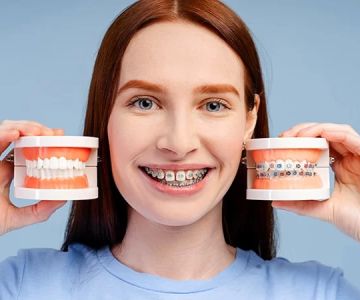
- Orthodontic Treatments for Adults: While some plans offer coverage for children’s orthodontic care, adult braces or aligners may not be covered, or only partially covered.
- Implants for Cosmetic Reasons: Dental implants may only be covered if they are medically necessary due to tooth loss; otherwise, they may not be included in your plan.
It's important to be aware of these exclusions so you can plan accordingly for any dental surgeries you may need that aren’t covered by your insurance.
If you want to learn more about dental surgery coverage or find out how your insurance can help with your dental needs, visit Dentistry Toothtruth for expert advice and resources.



 Kellyn Hodges Orthodontics4.0 (301 review)
 Shiney Smiles Orthodontics5.0 (165 review)
 Da Vinci Dental Specialists4.0 (312 review)
 Dentists of South Pasadena4.0 (124 review)
 Manhattan Dental Arts4.0 (394 review)
 Dental Playground3.0 (35 review)
 The Importance of Oral Health Education During Pregnancy for a Healthy Pregnancy
 Best Tips for Brushing Your Teeth Properly for Healthy Gums: Essential Techniques for Oral Health
 Why Skipping Dental Checkups Can Lead to Bigger Oral Health Problems
 Advantages of Porcelain Dental Restorations
 How Can Diabetes Cause Tooth and Gum Problems? Preventing and Managing Oral Health Issues
 Healthy Habits for Promoting Good Oral Health and Hygiene: Tips for a Healthy Smile