
What is Restorative Dentistry? Understanding Its Benefits and Procedures
- Overview of Restorative Dentistry
- Common Restorative Dental Treatments
- Benefits of Restorative Dentistry
- How Restorative Dentistry Works
- Real-Life Case Studies in Restorative Dentistry
- How to Get Started with Restorative Dentistry
What is Restorative Dentistry?
Restorative dentistry is a branch of dentistry focused on restoring the function, structure, and appearance of damaged or missing teeth. It includes a variety of treatments aimed at improving oral health and helping patients regain a healthy smile. From filling cavities to complex tooth replacements, restorative dentistry addresses issues that affect the teeth, gums, and jaw. This type of dentistry plays a key role in not only enhancing the aesthetic appeal of your smile but also in improving overall dental function.
Common Restorative Dental Treatments
Restorative dentistry encompasses several procedures tailored to the needs of individual patients. Some of the most common restorative treatments include:
- Fillings: Used to repair cavities caused by tooth decay. Fillings are often made of materials such as composite resin, amalgam, or porcelain.
- Crowns: A crown is placed over a damaged tooth to restore its shape, size, and strength. Crowns are commonly used when a tooth is severely worn down or cracked.
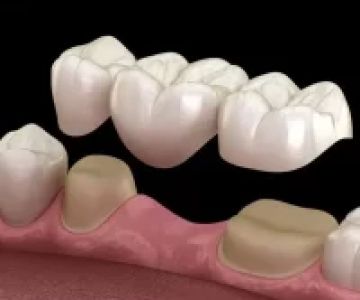
- Bridges: Bridges are used to replace missing teeth. They are anchored to surrounding teeth to fill the gap and restore the bite.
- Dental Implants: A permanent solution for missing teeth, dental implants are placed in the jawbone and topped with a crown to restore both the function and appearance of the lost tooth.
- Dentures: Dentures are removable replacements for missing teeth and surrounding tissue, available in full or partial forms depending on the patient’s needs.
Benefits of Restorative Dentistry
The benefits of restorative dentistry go beyond just improving the appearance of your teeth. Here are some key advantages:
- Improved Functionality: Restorative treatments like crowns, fillings, and implants restore the natural function of teeth, allowing patients to chew, speak, and smile with confidence.
- Enhanced Aesthetic Appeal: Dental restoration can significantly improve the appearance of damaged or discolored teeth, leading to a more attractive smile.
- Boosted Self-Confidence: Restoring the natural appearance of your teeth can have a positive impact on self-esteem, helping patients feel better about their appearance and overall health.
- Long-Term Durability: Many restorative dental procedures, such as implants and crowns, are designed to last for many years, providing lasting results with proper care.
How Restorative Dentistry Works
Restorative dentistry begins with a thorough evaluation by a dentist who will assess the extent of tooth damage or decay. Depending on the specific needs of the patient, the dentist will recommend the most appropriate treatment plan. Whether it’s a simple filling or more complex procedures like dental implants, restorative treatments aim to restore both function and beauty.
The process of restorative dentistry often involves multiple visits. For example, getting a crown usually requires two appointments: one for the initial fitting and another for placing the permanent crown. Dental implants require several months to fully integrate with the jawbone before a crown is placed on top.
Real-Life Case Studies in Restorative Dentistry
Let’s take a look at a few real-life examples to better understand the impact of restorative dentistry:
- Case 1: A patient with severely decayed teeth opted for a full set of dental implants. After the procedure, the patient regained their ability to chew and smile confidently. The implants were placed successfully, and the patient experienced a dramatic improvement in both function and aesthetics.
- Case 2: A patient with multiple cavities chose to undergo treatment with porcelain crowns and fillings. Not only did the procedure restore their teeth’s appearance, but it also improved their overall dental health, preventing further decay and damage.
How to Get Started with Restorative Dentistry
If you’re considering restorative dentistry, the first step is to schedule a consultation with a trusted dental professional. They will evaluate your oral health and discuss potential treatments based on your needs. At Dentistry Toothtruth, we specialize in providing comprehensive restorative dental services designed to restore your smile and improve your quality of life.
Ready to learn more or schedule a consultation? Visit Dentistry Toothtruth to explore our range of restorative dental treatments and get personalized care today.

 The Dental Center of Jefferson5.0 (132 review)
 Valleywise Community Health Center - Mesa3.0 (252 review)
 Elan Dental - Raleigh5.0 (99 review)
 Star Smiles Orthodontics4.0 (24 review)
 Absolute Dental - Sunset4.0 (726 review)
 Gulf Coast Dental Center1.0 (6 review)
 The Importance of Oral Health Education During Pregnancy for a Healthy Pregnancy
 Best Tips for Brushing Your Teeth Properly for Healthy Gums: Essential Techniques for Oral Health
 Why Skipping Dental Checkups Can Lead to Bigger Oral Health Problems
 Advantages of Porcelain Dental Restorations
 How Can Diabetes Cause Tooth and Gum Problems? Preventing and Managing Oral Health Issues
 Healthy Habits for Promoting Good Oral Health and Hygiene: Tips for a Healthy Smile