
What Is Oral Sex Disease?
Oral sex disease refers to sexually transmitted infections (STIs) or diseases (STDs) that can be transmitted through oral-genital contact. Unlike traditional STDs that affect genital areas, oral sex diseases affect the mouth, throat, and sometimes lips, leading to various symptoms and health concerns. In the United States, awareness about oral STDs is growing as they pose significant risks yet are often misunderstood or overlooked.
1. Common Types of Oral Sex Diseases
1.1 Oral Herpes (HSV-1 and HSV-2)
Oral herpes is caused by the herpes simplex virus type 1 (HSV-1), although HSV-2, typically linked to genital herpes, can also infect the oral area. It manifests as painful cold sores or blisters around the lips and inside the mouth. Oral herpes is highly contagious and can spread through oral sex, kissing, or sharing utensils. A personal story involves a college student who unknowingly transmitted HSV-1 to a partner during oral sex, highlighting the need for education and prevention.
1.2 Gonorrhea of the Throat (Pharyngeal Gonorrhea)
Gonorrhea can infect the throat following oral sex with an infected partner. Unlike genital gonorrhea, pharyngeal gonorrhea often shows mild or no symptoms, making it hard to detect. When symptoms appear, they include sore throat, difficulty swallowing, and swollen glands. Untreated gonorrhea may lead to serious complications, so timely diagnosis and treatment are crucial.
1.3 Syphilis and Its Oral Manifestations
Syphilis can present as painless sores or ulcers in the mouth during its primary stage. Because these sores can be subtle, many overlook the symptoms. A notable case involved a young adult diagnosed after routine screening revealed syphilis-related oral lesions, emphasizing the importance of regular sexual health check-ups.
2. Symptoms to Watch for in Oral Sex Diseases
2.1 Mouth Sores and Ulcers
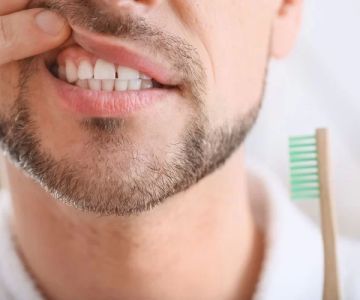
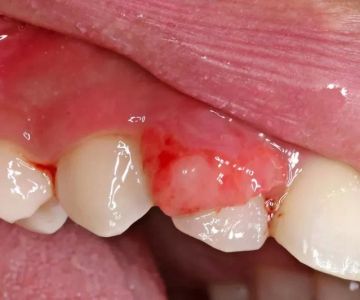
Unexplained sores, blisters, or ulcers on the lips, tongue, or inside the mouth may indicate an oral STD. These can be painful or painless but should never be ignored, especially if persistent.
2.2 Sore Throat and Difficulty Swallowing
A persistent sore throat, especially accompanied by swollen lymph nodes or fever, can be a sign of pharyngeal infections caused by oral STDs like gonorrhea or chlamydia.
2.3 Unusual Discharge or Bad Breath
Some oral infections cause unusual discharge or bad breath that does not improve with regular hygiene. These symptoms warrant medical evaluation.
3. How Oral Sex Diseases Are Diagnosed and Treated
3.1 Diagnostic Methods
Doctors use swabs of the throat, mouth, or sores, along with blood tests, to diagnose oral STDs. Early and accurate diagnosis is key to effective treatment and preventing transmission.
3.2 Treatment Options
Treatment varies depending on the infection. Herpes infections require antiviral medications, while bacterial infections like gonorrhea and syphilis are treated with antibiotics. Treatment success depends heavily on timely medical care and adherence to prescribed medication regimens.
4. Preventing Oral Sex Diseases
4.1 Safe Oral Sex Practices
Using barriers such as condoms or dental dams during oral sex significantly reduces the risk of transmitting infections. Open communication with sexual partners about health status and testing is equally important.
4.2 Regular Health Screenings
Routine STI screenings, including tests for oral infections, are vital even when no symptoms are present. Many cases of oral STDs go unnoticed without testing, increasing the risk of spreading.
5. The Importance of Awareness and Education
Many people underestimate the risks associated with oral sex, leading to misinformation and stigma. Educational campaigns and healthcare provider conversations help normalize testing and encourage protective behaviors. A community clinic in New York saw a rise in early oral STD detection after launching an awareness program, demonstrating the power of knowledge.
If you want to explore more about oral health and safe sexual practices, or seek trusted professional services, visit Dentistry Toothtruth for comprehensive information and assistance tailored to your needs.


 Gardena Dental Care4.0 (416 review)
 Pediatric Dentistry Kahala4.0 (23 review)
 David L Goettee, D.D.S., PC5.0 (1 review)
 Pro Health Dental - Dr. Ada Gruita DDS5.0 (20 review)
 University Place Smiles4.0 (550 review)
 21st Street Dental Group4.0 (202 review)
 The Importance of Oral Health Education During Pregnancy for a Healthy Pregnancy
 Best Tips for Brushing Your Teeth Properly for Healthy Gums: Essential Techniques for Oral Health
 Why Skipping Dental Checkups Can Lead to Bigger Oral Health Problems
 Advantages of Porcelain Dental Restorations
 How Can Diabetes Cause Tooth and Gum Problems? Preventing and Managing Oral Health Issues
 Healthy Habits for Promoting Good Oral Health and Hygiene: Tips for a Healthy Smile