
Understanding Oral Hygiene Measures and Their Importance
Oral hygiene measures are the daily practices that help keep your mouth clean and prevent dental problems such as cavities, gum disease, and bad breath. Maintaining good oral hygiene is essential for overall health, not just your teeth and gums. Neglecting oral care can lead to infections that may affect other parts of your body, including the heart and lungs.
In the United States, where sugary foods and drinks are abundant and fast-paced lifestyles often limit health habits, understanding effective oral hygiene measures is more crucial than ever. This article explores comprehensive strategies to care for your mouth, teeth, and gums, helping you achieve and maintain a healthy smile.
1. The Basics of Oral Hygiene: Brushing and Flossing
Brushing Techniques for Optimal Cleanliness
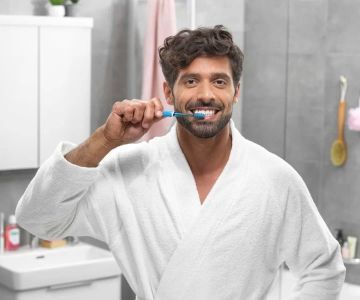
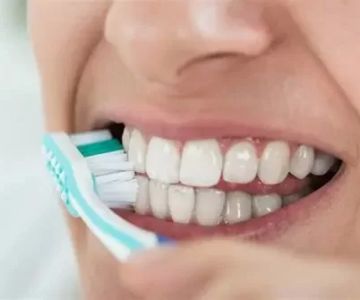
Brushing your teeth twice a day with fluoride toothpaste is a cornerstone of oral hygiene. Use a soft-bristled toothbrush to gently clean all surfaces of your teeth in small, circular motions. Brushing for at least two minutes ensures that plaque, a sticky film of bacteria, is effectively removed.
Failing to brush properly can lead to plaque buildup, which hardens into tartar and causes gum inflammation or cavities. An electric toothbrush can be a helpful tool, especially for people with limited dexterity.
The Critical Role of Flossing
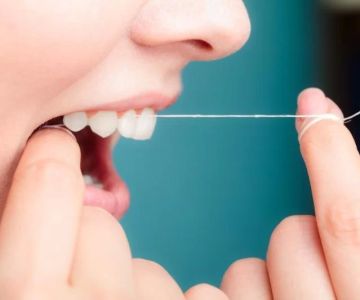
While brushing cleans the visible surfaces of teeth, flossing reaches between teeth and under the gumline where brushes cannot reach. Daily flossing removes trapped food particles and plaque, reducing the risk of gum disease.
Many people skip flossing due to discomfort or lack of habit, but establishing this routine significantly improves oral health outcomes. Learning the correct flossing technique—gently sliding the floss between teeth and curving it around each tooth—prevents injury and maximizes effectiveness.
2. Mouthwash and Its Place in Oral Hygiene Measures
Antiseptic mouthwash can be a beneficial addition to your dental care routine, especially for people prone to gum disease or bad breath. Mouthwashes help reduce bacteria in the mouth, reach areas that brushing and flossing might miss, and freshen breath.
However, mouthwash is not a substitute for brushing or flossing but a complementary tool. Choose alcohol-free formulas with proven antibacterial properties to avoid irritation.
3. Diet and Lifestyle Factors Affecting Oral Health
Your diet plays a significant role in oral hygiene. Frequent consumption of sugary or acidic foods and beverages promotes tooth decay by feeding harmful bacteria. Limiting sugary snacks, drinking plenty of water, and eating nutrient-rich foods support strong teeth and healthy gums.
Tobacco use is another major risk factor for poor oral health. It not only stains teeth but increases the risk of gum disease and oral cancer. Quitting smoking significantly improves oral and overall health.
4. Professional Dental Care: The Importance of Regular Checkups
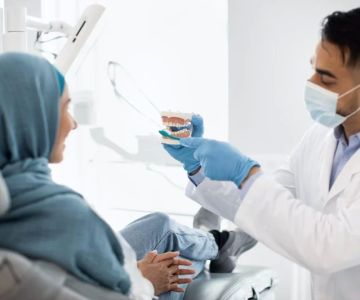
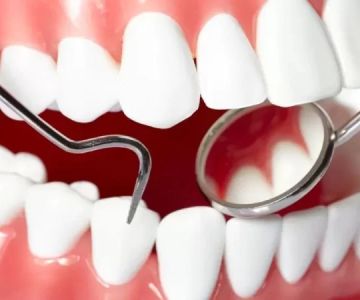
Visiting a dentist regularly for checkups and cleanings is vital to maintain oral health. Dentists can detect early signs of decay, gum disease, and other issues before they become serious. Professional cleanings remove tartar buildup that cannot be removed by brushing or flossing alone.
Many patients report feeling anxiety about dental visits, but modern dental offices prioritize patient comfort and use gentle techniques. Establishing a relationship with a trusted dentist ensures personalized care and guidance tailored to your needs.
5. Common Oral Hygiene Challenges and Solutions
Some individuals face difficulties maintaining proper oral hygiene due to physical limitations, sensitive teeth, or other health conditions. For example, seniors or people with arthritis may struggle with manual dexterity, making brushing and flossing challenging.
Adaptive tools such as electric toothbrushes with ergonomic handles, floss picks, or water flossers can help overcome these obstacles. Sensitivity toothpaste and regular dental visits also address discomfort.
6. Real-Life Stories Highlighting the Power of Oral Hygiene
Consider Lisa, a busy mother of three, who struggled with frequent cavities and gum sensitivity. After adopting a thorough oral hygiene routine, including electric brushing and daily flossing, her dental health improved drastically. Regular visits to her dentist caught early gum disease signs, allowing treatment before serious damage.
John, a retiree, credits quitting smoking and improving his oral care habits for saving his teeth and avoiding costly dental procedures. These stories show how consistent oral hygiene measures can transform lives and prevent pain.
7. How Dentistry Toothtruth Can Help You Achieve Optimal Oral Health
At Dentistry Toothtruth, expert dental professionals offer personalized oral hygiene guidance, advanced cleaning services, and treatment plans tailored to your unique needs. Whether you need help establishing a routine or managing chronic dental issues, their compassionate team supports you every step of the way.
Investing in your oral hygiene today pays dividends in long-term health, confidence, and quality of life. Explore Dentistry Toothtruth’s services to begin your journey toward a healthier smile.

 JW Dentistry (formerly Dr. Wayne Wong, DDS)5.0 (62 review)
 Charm Dental Group3.0 (14 review)
 OC Centers for Oral Surgery & Dental Implants - San Clemente5.0 (199 review)
 Bergen-Rockland Dental Associates, LLC4.0 (59 review)
 Dr. David Miller DDS5.0 (1 review)
 Chestnut Hill Smiles4.0 (330 review)
 The Importance of Oral Health Education During Pregnancy for a Healthy Pregnancy
 Best Tips for Brushing Your Teeth Properly for Healthy Gums: Essential Techniques for Oral Health
 Why Skipping Dental Checkups Can Lead to Bigger Oral Health Problems
 Advantages of Porcelain Dental Restorations
 How Can Diabetes Cause Tooth and Gum Problems? Preventing and Managing Oral Health Issues
 Healthy Habits for Promoting Good Oral Health and Hygiene: Tips for a Healthy Smile