
What Is Oral Hygiene and Why It Matters
When people ask, what is oral hygiene, the answer goes far beyond brushing your teeth. Oral hygiene refers to the daily practices and professional care that keep your teeth, gums, and mouth healthy. It plays a critical role not only in maintaining a bright smile but also in supporting your overall health. In fact, research in the United States has linked poor oral hygiene to heart disease, diabetes, and other serious conditions, showing how closely oral health is connected to general well-being.
1. The Foundations of Oral Hygiene
Daily Brushing
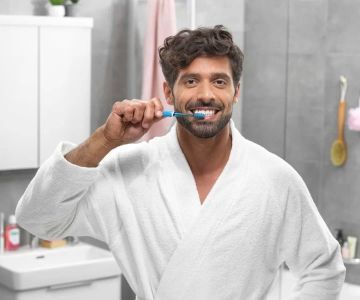
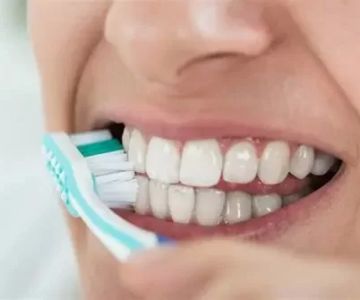
Brushing at least twice a day with fluoride toothpaste helps remove plaque—a sticky film of bacteria that can cause cavities and gum disease. Dentists recommend replacing your toothbrush every three to four months to ensure effectiveness.
The Role of Flossing
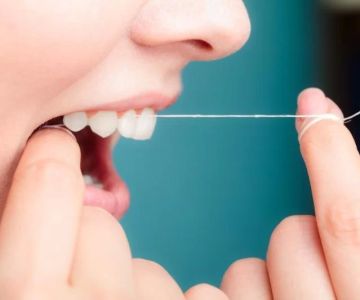
Flossing may feel like an extra step, but it is essential for cleaning areas between the teeth where a toothbrush cannot reach. Skipping this step often leads to tartar buildup and gum inflammation over time.
Mouthwash Benefits
Using an antimicrobial or fluoride mouthwash can provide added protection. While it does not replace brushing and flossing, it can help reduce bacteria and freshen breath.
2. Why Oral Hygiene Affects Overall Health
Maintaining good oral hygiene is not just about avoiding cavities. Studies have shown that bacteria in the mouth can enter the bloodstream and affect other parts of the body. For instance, gum disease has been linked to an increased risk of cardiovascular problems. Pregnant women with poor oral hygiene may also face complications such as preterm birth. This demonstrates why oral care is a key component of preventive healthcare in the United States.
3. Real-Life Stories That Highlight the Importance
Take the case of John, a 45-year-old office worker from Chicago. He admitted that he often skipped flossing and dental checkups. Over time, he developed gum disease that required costly treatments. On the other hand, Sarah, a college student, committed to regular brushing and professional cleanings. She not only avoided dental problems but also reported improved confidence and fewer colds. These stories highlight how everyday choices make a lasting difference.
4. Professional Dental Care and Checkups
Regular Dental Visits
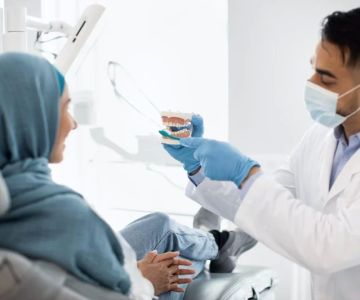
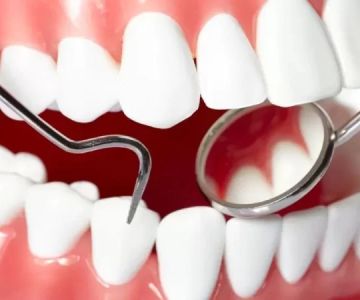
Dentists recommend visiting at least twice a year for professional cleanings and checkups. These appointments allow professionals to detect issues early, such as cavities, oral cancer, or gum problems.
Modern Technology in Dentistry
In many American clinics, advanced tools such as digital x-rays and ultrasonic cleaners make checkups faster and more comfortable. These innovations help patients feel more confident about their oral care routine.
5. Common Mistakes People Make in Oral Hygiene
One of the biggest mistakes is brushing too hard, which can wear down enamel and irritate gums. Another common error is believing that chewing gum can replace proper cleaning—it cannot. Ignoring bleeding gums is also risky, as this may be an early sign of gum disease that should not be overlooked.
6. How to Build Lifelong Healthy Habits
Dietary Choices
Reducing sugar intake and eating foods rich in calcium and vitamin D support strong teeth. Crunchy fruits and vegetables like apples and carrots can also naturally clean the teeth during meals.
Consistency Over Perfection
Experts emphasize that oral hygiene is about consistency. Even small steps done regularly, like flossing every evening before bed, make a significant impact over time.
7. Family Dentistry Online Recommendations
At Family Dentistry Online, we encourage individuals and families to take oral hygiene seriously. Whether you need advice on proper brushing techniques, professional cleanings, or advanced treatments, our platform connects you with trusted dental professionals across the United States. Investing in oral hygiene today means protecting both your smile and your long-term health.

 David M. Wolf DDS, PC5.0 (298 review)
 Sydney K. Waterman, DDS0.0 (0 review)
 Hillside Dental Care4.0 (192 review)
 Bell Road Family Dentistry - Montgomery4.0 (240 review)
 Dr. Dental: Dentistry & Braces4.0 (459 review)
 Safari Dental & Orthodontics4.0 (1362 review)
 The Importance of Oral Health Education During Pregnancy for a Healthy Pregnancy
 Best Tips for Brushing Your Teeth Properly for Healthy Gums: Essential Techniques for Oral Health
 Why Skipping Dental Checkups Can Lead to Bigger Oral Health Problems
 Advantages of Porcelain Dental Restorations
 How Can Diabetes Cause Tooth and Gum Problems? Preventing and Managing Oral Health Issues
 Healthy Habits for Promoting Good Oral Health and Hygiene: Tips for a Healthy Smile