
Understanding Oral Hygiene According to WHO
The World Health Organization (WHO) defines oral hygiene as the practice of keeping one's mouth, teeth, and gums clean and healthy to prevent disease and maintain overall health. According to WHO, maintaining good oral hygiene is fundamental not only for oral health but also for general well-being, as poor oral health can lead to serious complications like infections, cardiovascular disease, and diabetes complications.
Oral hygiene includes regular removal of dental plaque, a sticky bacterial film that accumulates on teeth and gums, which if left untreated, can cause tooth decay and gum disease. WHO emphasizes that effective oral hygiene practices are essential worldwide to reduce the burden of oral diseases, which affect billions of people globally.
Why Oral Hygiene Matters More Than You Think
In the United States, oral diseases remain a significant public health challenge. Tooth decay and gum diseases are among the most common chronic conditions, affecting both children and adults. The Centers for Disease Control and Prevention (CDC) reports that nearly half of American adults aged 30 and older show signs of gum disease.
Oral hygiene goes beyond aesthetics. Neglecting oral care can lead to pain, tooth loss, and difficulties in speaking or eating, which negatively impact quality of life. More importantly, recent studies link poor oral hygiene with systemic health problems such as heart disease, stroke, and complications during pregnancy.
1. Daily Oral Hygiene Practices Recommended by WHO
WHO and dental health experts worldwide advocate for a routine that targets plaque control and prevention of oral diseases. Key steps include:
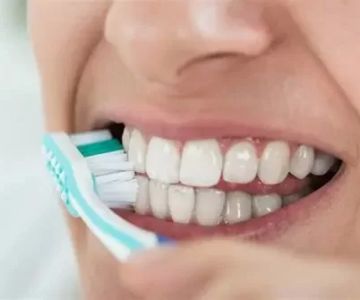
- Brushing Teeth Twice Daily: Using fluoride toothpaste, brushing for at least two minutes each time helps remove plaque and prevent cavities.
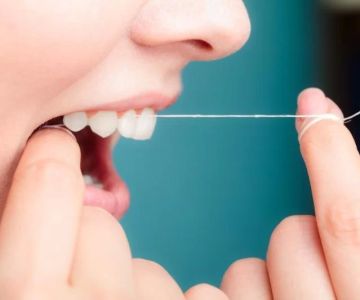
- Flossing Daily: Flossing reaches the spaces between teeth where a toothbrush cannot, removing trapped food and bacteria.
- Regular Dental Checkups: Professional cleanings and early detection of oral problems allow timely treatment and prevent progression.
- Healthy Diet: Limiting sugary snacks and beverages reduces the risk of tooth decay and supports overall oral health.
- Using Mouthwash: Antimicrobial rinses can reduce bacteria and freshen breath, complementing brushing and flossing.
These practices form the cornerstone of effective oral hygiene and are supported by WHO’s oral health guidelines.
2. Common Challenges in Maintaining Oral Hygiene
Despite clear guidelines, many Americans face obstacles in maintaining consistent oral hygiene. Busy lifestyles, lack of education, fear of dental procedures, and limited access to dental care can all contribute to neglect.
For example, studies have shown that lower-income groups are less likely to visit a dentist regularly, increasing the risk of untreated cavities and gum disease. Moreover, misinformation about oral care products or techniques sometimes leads to ineffective routines.
3. Real-Life Story: How Oral Hygiene Transformed a Patient’s Life
Consider the case of Lisa, a 35-year-old schoolteacher from Boston. Lisa struggled with bleeding gums and chronic bad breath for years but avoided dental visits due to anxiety. After attending an educational seminar on oral hygiene, she adopted daily flossing and proper brushing techniques with fluoride toothpaste.
Lisa also scheduled regular dental checkups and followed the advice of her hygienist. Within months, her gum health improved drastically, and she experienced a renewed confidence in social and professional settings. Lisa’s story highlights the transformative power of informed oral hygiene and professional support.
The Role of Professional Care and Preventive Dentistry
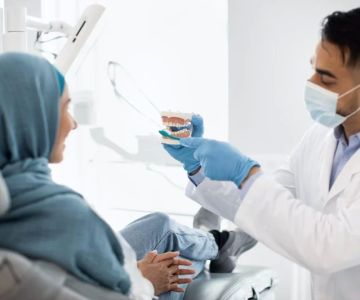
While daily home care is crucial, WHO stresses that regular dental visits are essential for maintaining oral health. Dentists provide preventive treatments such as sealants and fluoride varnishes that protect teeth from decay, and they identify early signs of disease that patients may not notice.
In the U.S., dental professionals also educate patients on oral hygiene tailored to individual needs, such as managing orthodontic appliances or caring for sensitive gums. This personalized approach maximizes oral health outcomes.
4. Innovations in Oral Hygiene Tools
Advancements in dental technology have led to improved oral hygiene tools, making it easier for Americans to care for their teeth. Electric toothbrushes with timers, water flossers, and smart devices that track brushing habits help ensure effective plaque removal and better routines.
WHO encourages the adoption of such tools where feasible, especially for populations with limited manual dexterity, such as children or the elderly.
Oral Hygiene as a Gateway to Overall Health
Oral health is often a mirror of general health. Poor oral hygiene can worsen conditions like diabetes, and chronic inflammation from gum disease may contribute to cardiovascular issues. Thus, WHO highlights the importance of integrating oral health into broader health promotion strategies.
For individuals in the U.S. seeking to improve both oral and systemic health, adopting comprehensive oral hygiene practices is a practical and impactful step.
5. How to Start Improving Your Oral Hygiene Today
Begin with a self-assessment of your current oral care habits and consult a dental professional for a personalized plan. Incorporate recommended techniques, choose the right oral care products, and maintain regular checkups.
Remember that consistency is key; even small improvements daily can lead to long-term benefits. For those looking for expert guidance and tailored recommendations, Dentistry Toothtruth offers comprehensive services designed to support your oral health journey.


 Worthington Pediatric Dentists3.0 (162 review)
 SoCO Smiles Orthodontics4.0 (187 review)
 Cash Family Orthodontics4.0 (141 review)
 Midway Dental Center4.0 (16 review)
 Kalil Dental Group4.0 (44 review)
 Dr. Candace Culpepper Light4.0 (11 review)
 The Importance of Oral Health Education During Pregnancy for a Healthy Pregnancy
 Best Tips for Brushing Your Teeth Properly for Healthy Gums: Essential Techniques for Oral Health
 Why Skipping Dental Checkups Can Lead to Bigger Oral Health Problems
 Advantages of Porcelain Dental Restorations
 How Can Diabetes Cause Tooth and Gum Problems? Preventing and Managing Oral Health Issues
 Healthy Habits for Promoting Good Oral Health and Hygiene: Tips for a Healthy Smile