

1. What Is Oral Hygiene According to WHO
The World Health Organization (WHO) defines oral hygiene as the practice of keeping one's mouth clean and disease-free. According to WHO, oral health is a key indicator of overall health, well-being, and quality of life. It goes beyond simply brushing your teeth—it includes maintaining healthy gums, avoiding cavities and infections, and ensuring proper function of the teeth and mouth.
WHO’s definition emphasizes that oral diseases are among the most common non-communicable diseases globally. Yet, they are largely preventable. Conditions like dental caries (tooth decay), periodontal disease (gum disease), and oral cancer are preventable through good oral hygiene, regular dental checkups, and public awareness. For Americans, this is particularly important because nearly half of adults aged 30 and older show signs of gum disease, according to the CDC.
2. The American Oral Health Challenge
In the United States, oral health is often sidelined, especially in communities where access to dental care is limited. The U.S. Surgeon General's report on oral health labeled dental disease as a "silent epidemic." Despite being largely preventable, dental issues persist due to poor oral hygiene, lack of education, and limited access to affordable dental care.
2.1 A True Story from Rural Kentucky
In a small town in eastern Kentucky, a school nurse named Lisa noticed a disturbing trend—children were coming to school with severe dental pain. Some had never owned a toothbrush. She launched a grassroots oral hygiene campaign in collaboration with local dentists. In two years, the number of emergency dental visits dropped by 60%. This powerful example shows how awareness and access can dramatically improve community oral health.
2.2 Economic Impact of Poor Oral Hygiene
The economic consequences of poor oral hygiene are significant. According to the American Dental Association, untreated dental disease leads to more than $45 billion in lost productivity annually in the U.S. alone. Parents miss work for their children’s dental emergencies, adults suffer job limitations due to poor dental appearance, and healthcare costs skyrocket due to preventable conditions.
3. WHO's Recommendations for Oral Hygiene
WHO outlines several key practices for maintaining oral hygiene that align closely with what American dentists recommend:
3.1 Daily Oral Care Habits
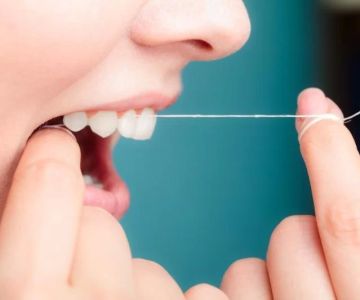
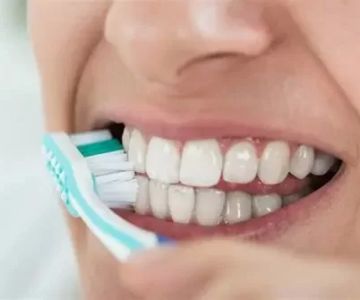
Brushing teeth twice a day with fluoride toothpaste is essential. But brushing alone isn’t enough. Flossing, using mouthwash, and cleaning the tongue are also recommended to maintain overall oral health. WHO emphasizes the use of fluoridated products, especially in areas where natural water sources lack fluoride.
3.2 Diet and Oral Health
A major point made by WHO is the link between sugar consumption and tooth decay. A diet high in added sugars increases the risk of cavities and gum disease. In the U.S., where sugary snacks and sodas are a staple, this connection is crucial. WHO encourages reducing sugar intake and replacing processed snacks with healthier alternatives like fruits, vegetables, and nuts.
3.3 Access to Professional Dental Care
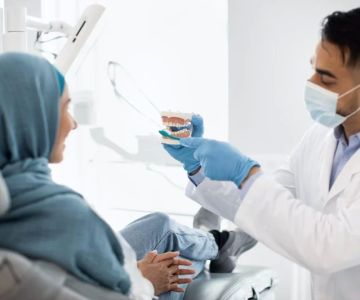
Regular dental checkups can detect problems early and prevent more severe conditions. WHO suggests a visit to the dentist at least once a year. Unfortunately, this remains a challenge in many parts of America, especially for those without dental insurance. Addressing this gap is vital for nationwide oral health improvement.
4. Oral Hygiene and Systemic Health
Good oral hygiene isn't just about fresh breath or white teeth. WHO and other health authorities agree that poor oral health can lead to serious systemic conditions, such as:
4.1 Heart Disease
Numerous studies have shown that bacteria from gum infections can enter the bloodstream and contribute to heart disease. Maintaining healthy gums may reduce the risk of stroke and heart attack.
4.2 Diabetes
There is a two-way link between diabetes and periodontal disease. Poor oral hygiene can make blood sugar harder to control, and high blood sugar can worsen gum infections. For the 37 million Americans with diabetes, oral care is essential for disease management.
4.3 Pregnancy Complications
Pregnant women with poor oral hygiene are more likely to deliver prematurely or have low birth-weight babies. WHO recommends that prenatal care includes dental assessments to ensure a healthier pregnancy.
5. Promoting Oral Hygiene in the U.S.
While WHO sets global standards, local implementation is key. In the U.S., initiatives like school-based dental programs, community fluoride treatments, and mobile dental vans are making an impact.
5.1 Urban vs. Rural Divide
Urban areas often have better access to dental care, while rural Americans face significant barriers. Programs that bring dentists to schools and community centers are narrowing this divide. One notable example is the “Miles of Smiles” mobile unit in Texas, which travels to underserved communities offering free checkups and cleanings to children and seniors.
5.2 Role of Technology
Teledentistry is emerging as a promising solution. With virtual dental consultations, people can get advice without visiting a clinic. This reduces travel costs and increases accessibility. During the COVID-19 pandemic, teledentistry saw a 300% rise in usage across the U.S., indicating strong potential for long-term adoption.
6. Small Steps, Big Results
Taking care of your mouth doesn’t require massive changes. Simple steps, when done consistently, can lead to lifelong health benefits. WHO’s guidelines are clear, and now more than ever, Americans have the tools and information to act.
6.1 A Teen's Turnaround
Jake, a 14-year-old from Phoenix, used to dread the dentist. His neglect led to cavities, gum bleeding, and social embarrassment. After a school program taught him about proper oral care, he began brushing, flossing, and seeing a dentist regularly. Within a year, his dental issues reversed, and he became a youth ambassador for oral health. His story is a testament to how early education and consistent habits can turn things around.
6.2 Where to Start
If you're wondering how to begin or improve your oral hygiene routine, start by following WHO’s daily guidelines, seek regular professional care, and stay informed. For trusted services and product recommendations tailored to your needs, visit Dentistry Toothtruth. It’s time to treat oral health as a priority—not an afterthought.


 Zhihao You, DDS, MS, PhD0.0 (0 review)
 Smileyville Braces and Invisalign4.0 (431 review)
 Arts District Dental4.0 (370 review)
 Barrett Dental Care4.0 (221 review)
 Westborough Family Dental5.0 (71 review)
 Crest Hill Family Dental4.0 (40 review)
 The Importance of Oral Health Education During Pregnancy for a Healthy Pregnancy
 Best Tips for Brushing Your Teeth Properly for Healthy Gums: Essential Techniques for Oral Health
 Why Skipping Dental Checkups Can Lead to Bigger Oral Health Problems
 Advantages of Porcelain Dental Restorations
 How Can Diabetes Cause Tooth and Gum Problems? Preventing and Managing Oral Health Issues
 Healthy Habits for Promoting Good Oral Health and Hygiene: Tips for a Healthy Smile