

What is a Good Oral Hygiene and Why It Matters
1. The foundation of oral health
Good oral hygiene refers to the daily habits and professional practices that keep your teeth, gums, and mouth healthy. It is more than just brushing your teeth; it involves a combination of brushing, flossing, rinsing, and regular dental visits. When practiced consistently, these steps help prevent cavities, gum disease, and even systemic health issues connected to poor oral care. For many Americans, oral hygiene also plays a role in confidence and overall quality of life.
2. The link between oral hygiene and overall health
Studies show that gum disease is associated with heart disease, diabetes, and other chronic illnesses. This means that good oral care isn’t just about a bright smile—it can directly impact your long-term well-being. Families who prioritize oral hygiene often find themselves spending less on emergency dental procedures and experiencing fewer health complications.
Essential Daily Practices for Strong Teeth and Gums
1. Brushing effectively
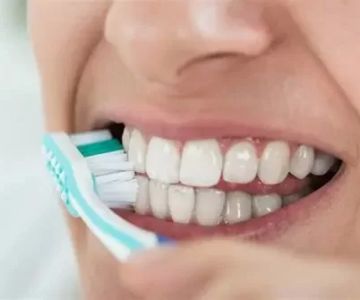
Brushing twice a day with fluoride toothpaste remains the gold standard. The technique matters as much as the frequency: gentle circular motions that cover all surfaces of the teeth help remove plaque without damaging enamel. Dentists recommend brushing for two minutes, which many people underestimate in their daily routine.
2. Flossing and interdental cleaning
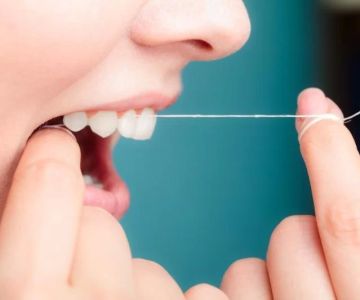
Flossing once a day helps remove food particles and bacteria between teeth where brushes cannot reach. For individuals with braces or sensitive gums, interdental brushes or water flossers can provide effective alternatives. Skipping this step often leads to early gum inflammation, which can progress silently over time.
3. Mouth rinses and hydration
Using an antibacterial or fluoride mouthwash provides extra protection against cavities and gum disease. Additionally, staying hydrated throughout the day helps maintain saliva production, which naturally protects teeth against harmful acids. Many people underestimate the role water plays in maintaining a balanced oral environment.
Professional Care and Preventive Visits
1. The importance of dental check-ups
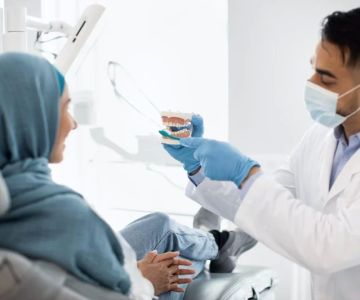
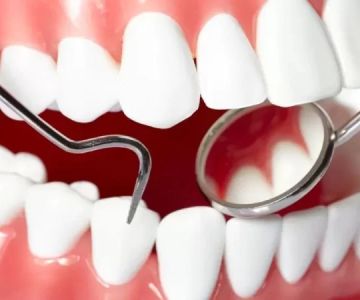
Visiting the dentist every six months allows professionals to catch small problems before they turn into costly issues. Cleanings remove hardened tartar that brushing cannot, and exams can reveal cavities, gum disease, or oral cancers at an early stage. A true story shared by one patient revealed that a routine dental visit uncovered an early gum infection that could have led to tooth loss if left untreated.
2. Preventive treatments
Fluoride treatments, sealants for children, and early orthodontic evaluations can save families significant time and money. Preventive dentistry ensures that oral hygiene practices are supported by professional care, making it easier to maintain health over the long term.
Lifestyle Habits That Influence Oral Hygiene
1. Nutrition and diet choices
Sugar is one of the biggest enemies of oral health. Soft drinks, sticky candies, and even frequent snacking can increase the risk of cavities. On the other hand, diets rich in calcium, vitamin D, and fresh vegetables promote stronger teeth and healthier gums. Many families find success by substituting sugary snacks with crunchy fruits like apples, which also help clean teeth naturally.
2. Habits that harm oral health
Smoking, vaping, and excessive alcohol consumption weaken gums and stain teeth, often undoing years of good oral hygiene. In the U.S., dentists regularly warn patients about the hidden risks of these habits, including oral cancer and gum recession. Quitting these habits remains one of the best long-term investments in oral health.
Stories That Highlight the Impact of Oral Hygiene
1. A family’s commitment to daily care
One American family shared how their children turned oral hygiene into a game by timing their brushing sessions with music. Not only did this make daily routines fun, but it also ensured that everyone brushed for the recommended two minutes. The family reported fewer cavities and more enjoyable dental visits over the years.
2. How neglect can turn into costly treatments
On the other side, stories often surface of individuals who ignored dental visits for years. A young professional revealed how skipping check-ups led to gum disease that required expensive surgery. Such cases highlight why maintaining good oral hygiene daily is far more cost-effective than dealing with severe dental problems later.
How Family Dentistry Online Supports Oral Hygiene
1. Guidance and recommendations
Family Dentistry Online provides expert-backed resources that help families choose the right toothbrushes, toothpaste, and flossing tools. By offering professional insights, it ensures that individuals build routines suited to their specific needs, whether for children, adults, or seniors.
2. Access to trusted dental services
From preventive care tips to connecting patients with reliable clinics, Family Dentistry Online bridges the gap between everyday practices and professional care. By relying on credible information, families across the U.S. can confidently maintain healthy smiles for years to come.


 Reve Orthodontics - Midtown Atlanta4.0 (258 review)
 Premiere Dental of West Deptford4.0 (352 review)
 Fair Lawn Periodontics & Dental Implants4.0 (191 review)
 DK Orthodontics4.0 (258 review)
 Dr. Robert J. Gelman, DDS4.0 (51 review)
 Lake Forest Pediatric Dentistry4.0 (14 review)
 The Importance of Oral Health Education During Pregnancy for a Healthy Pregnancy
 Best Tips for Brushing Your Teeth Properly for Healthy Gums: Essential Techniques for Oral Health
 Why Skipping Dental Checkups Can Lead to Bigger Oral Health Problems
 Advantages of Porcelain Dental Restorations
 How Can Diabetes Cause Tooth and Gum Problems? Preventing and Managing Oral Health Issues
 Healthy Habits for Promoting Good Oral Health and Hygiene: Tips for a Healthy Smile