
What Do Oral Hygiene Mean and Why Is It So Important?
1. Understanding Oral Hygiene
Oral hygiene refers to the practice of keeping your mouth, teeth, gums, and tongue clean and healthy to prevent oral diseases. It involves various habits such as brushing your teeth, flossing, and visiting your dentist regularly. Maintaining good oral hygiene is crucial not only for having a clean and fresh mouth but also for preventing serious health problems like cavities, gum disease, and even heart disease. But what exactly does good oral hygiene entail, and why is it so important?
2. The Basics of Oral Hygiene
Good oral hygiene practices are simple but vital for your overall health. They include:
2.1 Brushing Your Teeth
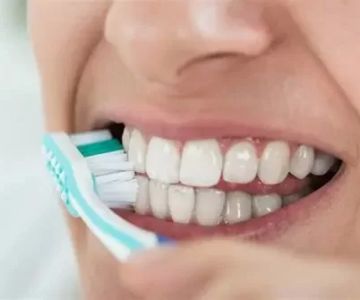
Brushing your teeth at least twice a day is the foundation of good oral hygiene. It helps remove food particles, plaque, and bacteria that can lead to cavities, gum disease, and bad breath. The American Dental Association (ADA) recommends using a fluoride toothpaste, which helps strengthen tooth enamel and prevent decay. Make sure to brush for at least two minutes and use a toothbrush with soft bristles to avoid damaging your gums.
2.2 Flossing
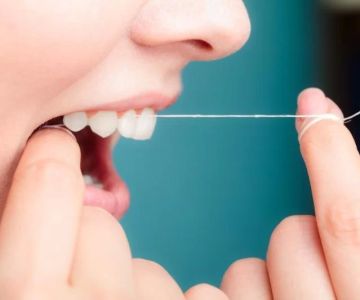
Flossing is essential because it reaches the areas between your teeth that a toothbrush can't. These areas are common places for food particles and plaque to accumulate, which can lead to gum disease and cavities. Flossing once a day helps remove these particles and keeps your gums healthy by reducing inflammation.
2.3 Rinsing with Mouthwash
Using mouthwash can be an effective addition to your oral hygiene routine. Mouthwash can help kill bacteria, freshen your breath, and reduce plaque buildup. Look for a mouthwash that contains fluoride and antibacterial agents to maximize its benefits.
3. The Importance of Oral Hygiene
While oral hygiene may seem like a simple and everyday task, it has far-reaching benefits for your overall health. Poor oral hygiene can lead to serious complications that extend beyond your mouth, affecting your general well-being. Here are some of the main reasons why maintaining proper oral hygiene is important:
3.1 Preventing Cavities
Cavities occur when plaque builds up on your teeth and combines with sugars to create acids that eat away at the enamel of your teeth. These acids can lead to tooth decay and cavities, which can cause severe pain, infection, and tooth loss if left untreated. Regular brushing and flossing help remove plaque and prevent cavities from forming.
3.2 Preventing Gum Disease
Gum disease, also known as gingivitis, is an infection of the gums caused by plaque buildup. If not treated, it can lead to more serious gum disease known as periodontitis, which can result in tooth loss. The early signs of gum disease include red, swollen, or bleeding gums. Good oral hygiene practices can help keep your gums healthy and prevent gum disease from developing.
3.3 Fresh Breath
Bad breath, also known as halitosis, is often caused by bacteria in the mouth that feed on food particles and release sulfur compounds. By brushing your teeth and tongue, flossing, and using mouthwash, you can help eliminate bad breath and maintain fresh breath throughout the day.
3.4 Improving Your Overall Health
Research has shown that oral hygiene can have a direct impact on your overall health. Poor oral hygiene has been linked to several serious health conditions, such as heart disease, stroke, and diabetes. Bacteria in your mouth can enter your bloodstream and contribute to inflammation, which is a risk factor for many systemic diseases. By maintaining good oral hygiene, you can reduce the risk of these health problems.
4. Oral Hygiene Tips and Best Practices
Here are some practical tips and best practices to help you maintain optimal oral hygiene:
4.1 Choose the Right Toothbrush and Toothpaste
Not all toothbrushes are created equal. It's important to choose a toothbrush with soft bristles that won't damage your gums or enamel. Additionally, select a toothpaste with fluoride, which helps prevent tooth decay and strengthens enamel. Toothpaste with added whitening agents or tartar control can also be beneficial depending on your needs.
4.2 Don't Forget Your Tongue
Your tongue can harbor bacteria and food particles, contributing to bad breath and other oral issues. To ensure a thorough cleaning, gently brush your tongue each time you brush your teeth or use a tongue scraper for a more effective clean.
4.3 Regular Dental Visits
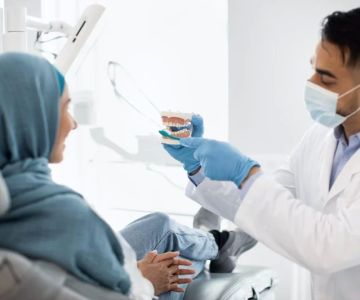
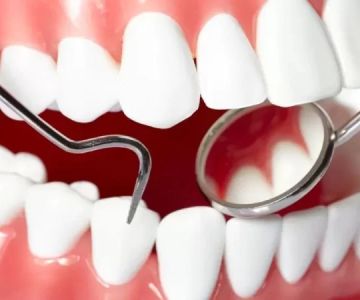
Even if you maintain a solid at-home oral hygiene routine, it’s essential to visit your dentist regularly for checkups and cleanings. Your dentist can detect issues that you may not be able to notice, such as cavities, early signs of gum disease, or oral cancer. Professional cleanings also help remove plaque and tartar buildup that brushing alone can’t address.
4.4 Drink Water Throughout the Day
Drinking plenty of water not only keeps you hydrated but also helps wash away food particles and bacteria from your mouth. Water helps promote saliva production, which is essential for neutralizing acids and protecting your teeth from decay.
5. Oral Hygiene in Children
Good oral hygiene habits should start at a young age to ensure healthy teeth and gums for life. Parents should begin brushing their child's teeth as soon as the first tooth appears and continue to help them brush until they are old enough to do it on their own, typically around the age of 6. It’s also important to educate children on the importance of flossing and maintaining a consistent oral care routine.
6. Oral Hygiene in Seniors
As people age, they may face unique oral hygiene challenges, such as dry mouth, gum recession, or tooth sensitivity. Seniors should continue practicing good oral hygiene habits, including brushing and flossing daily. Regular dental visits are especially important for seniors, as they can help prevent and manage age-related oral health issues.
By understanding the importance of oral hygiene and following the recommended practices, you can enjoy a healthy smile and reduce the risk of serious oral health problems. Remember, taking care of your mouth is not just about appearance—it’s about your overall health.


 Blaine Orthodontics4.0 (55 review)
 BGW Dental Group4.0 (292 review)
 Dental Playground3.0 (35 review)
 Midland Family Dental Care4.0 (200 review)
 Riccobene Associates Family Dentistry4.0 (523 review)
 Aria Dental4.0 (261 review)
 The Importance of Oral Health Education During Pregnancy for a Healthy Pregnancy
 Best Tips for Brushing Your Teeth Properly for Healthy Gums: Essential Techniques for Oral Health
 Why Skipping Dental Checkups Can Lead to Bigger Oral Health Problems
 Advantages of Porcelain Dental Restorations
 How Can Diabetes Cause Tooth and Gum Problems? Preventing and Managing Oral Health Issues
 Healthy Habits for Promoting Good Oral Health and Hygiene: Tips for a Healthy Smile