
1. What Does Oral Hygiene Actually Mean?
Oral hygiene refers to the practice of keeping your mouth—especially the teeth and gums—clean and free of disease. It includes habits like brushing your teeth twice a day, flossing daily, rinsing with mouthwash, and visiting the dentist regularly. But more than just routine care, oral hygiene is an essential pillar of your overall health. Poor oral hygiene doesn’t just lead to bad breath or cavities—it can contribute to heart disease, diabetes, and even respiratory infections.
In the United States, where access to dental care can vary greatly based on location and income, understanding the true meaning of oral hygiene can help prevent bigger health issues down the line. It’s about prevention, education, and daily action.
2. Why Oral Hygiene Is a Crucial Part of Whole-Body Health
2.1 The Mouth Is a Window to the Body
Think of the mouth as a mirror reflecting the condition of the rest of your body. Inflammation in the gums can signal inflammation in other areas. In fact, the American Dental Association has linked gum disease to cardiovascular problems and complications in people with diabetes. Bacteria from untreated gum disease can enter your bloodstream and affect your heart’s inner lining.
2.2 Preventing Systemic Conditions Through Oral Care
By maintaining oral hygiene, you reduce the bacterial load in your mouth, preventing it from entering the bloodstream and causing harm elsewhere. Regular brushing and flossing, combined with biannual dental visits, form a barrier between your mouth and potential systemic complications.
2.3 A Veteran’s Story: From Toothache to Heart Risk
Mike, a U.S. Army veteran from Kentucky, once ignored a persistent gum infection thinking it was “just another toothache.” Months later, he was diagnosed with bacterial endocarditis—a serious infection of the heart’s inner lining caused by oral bacteria. Now, Mike speaks to other veterans about taking oral health seriously. “One toothbrush might’ve saved me a hospital bill in the thousands,” he often says.
3. What Causes Poor Oral Hygiene and Its Effects
3.1 Skipping the Basics
Many Americans struggle with poor oral hygiene due to time constraints, lack of awareness, or simply underestimating its importance. Skipping even one day of brushing allows bacteria to multiply rapidly, hardening into tartar that no toothbrush can remove. That’s when gum disease starts to settle in.
3.2 Diet and Habits Matter
A high-sugar diet, frequent snacking, smoking, or excessive alcohol use all contribute to declining oral health. Sugary foods feed the bacteria that cause plaque buildup and decay, while acidic drinks erode enamel. Smoking dries the mouth and increases gum disease risk tenfold.
3.3 Financial and Social Barriers
In some rural parts of America, access to dental care is limited. And in low-income communities, the cost of dental cleanings or fillings can be a huge burden. For these communities, education and preventive action become even more vital.
4. Best Practices for Maintaining Oral Hygiene Daily
4.1 Brushing and Flossing the Right Way
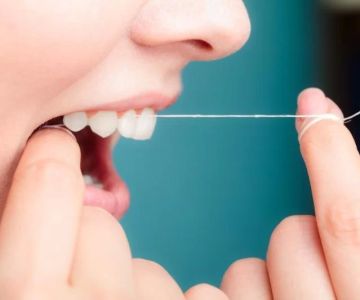
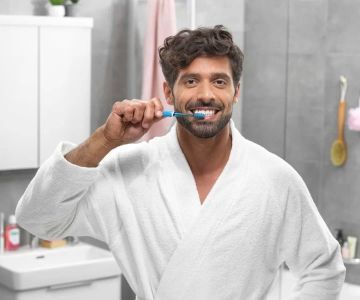
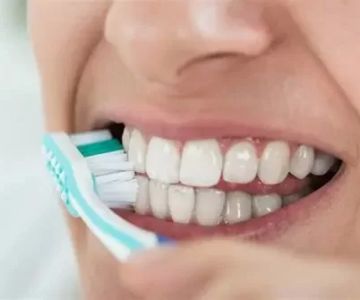
Use a fluoride toothpaste and a soft-bristled toothbrush, brushing in gentle circular motions for at least two minutes. Don’t forget the tongue—it’s a breeding ground for odor-causing bacteria. Floss once a day, reaching below the gumline where a brush can’t go.
4.2 Rinsing and Professional Cleanings
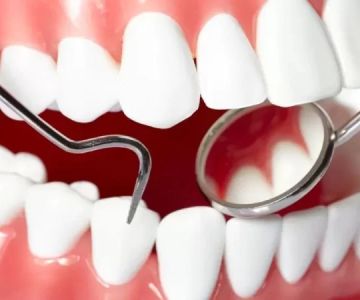
An antibacterial mouthwash can reduce plaque and gingivitis. But no home routine replaces the need for professional cleanings. Dentists remove hardened tartar and identify issues before they become costly problems.
4.3 Practical Routine for Busy Families
One single mom in Dallas shared her routine: she keeps mini brushes and floss picks in her car and teaches her kids a “2-2-2” rule—brush two times a day, visit the dentist twice a year, and spend two minutes per brushing session. “It’s our kitchen rule,” she says, “like a recipe for clean mouths.”
5. Teaching Oral Hygiene Early for Lifelong Habits
5.1 Why It Starts with Children
Children who learn about oral hygiene early are more likely to carry those habits into adulthood. Pediatric dental programs in the U.S., especially those supported by public schools or community clinics, focus on making brushing fun—through songs, timers, and rewards.
5.2 The Role of Parents and Schools
Parents play the lead role in modeling daily care. Schools can reinforce it through dental health education weeks and visiting programs. In Minnesota, a school nurse started a “Smile Squad” where fifth-graders mentor kindergartners on brushing techniques. “It became a point of pride,” she recalls. “Even kids who hated brushing began to show off their shiny teeth.”
5.3 Teenagers and the Challenge of Independence
Teens often neglect oral care due to busy schedules or rebellion. Digital reminders, mobile apps, or even peer group competitions (like who has the cleanest teeth at the next school dance) have helped encourage consistency among American teens.
6. When to See a Dentist and What to Expect
6.1 Regular Checkups: Not Just for Fixing Problems
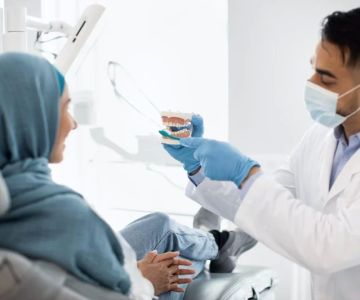
Preventive dental visits can save money, pain, and time in the long run. Most dentists recommend seeing them every six months, even if you feel fine. Many oral diseases don’t show symptoms until advanced stages.
6.2 Warning Signs You Shouldn’t Ignore
Bleeding gums, persistent bad breath, sensitivity to hot or cold, and jaw pain are signs something’s wrong. Don’t wait—early treatment is simpler and far less expensive.
6.3 Where to Find the Right Dental Help
If you're unsure where to begin or need a trusted recommendation, check out Family Dentistry Online for expert guidance, service comparisons, and local dentist suggestions tailored to your needs and location in the U.S.

 Village Dental - North Raleigh4.0 (1577 review)
 Dental Health Associates, P.A.3.0 (355 review)
 Maine Orthodontics5.0 (2 review)
 Schuller Dental5.0 (196 review)
 Reichheld Ting Orthodontics - Westford5.0 (308 review)
 HealthPartners Dental Clinic St. Paul2.0 (16 review)
 The Importance of Oral Health Education During Pregnancy for a Healthy Pregnancy
 Best Tips for Brushing Your Teeth Properly for Healthy Gums: Essential Techniques for Oral Health
 Why Skipping Dental Checkups Can Lead to Bigger Oral Health Problems
 Advantages of Porcelain Dental Restorations
 How Can Diabetes Cause Tooth and Gum Problems? Preventing and Managing Oral Health Issues
 Healthy Habits for Promoting Good Oral Health and Hygiene: Tips for a Healthy Smile