
What Do You Mean by Oral Hygiene
When people ask, "what do you mean by oral hygiene," they are often searching for more than a dictionary definition. Oral hygiene refers to the practice of keeping your mouth, teeth, and gums clean and healthy to prevent dental issues like cavities, gum disease, and bad breath. In the United States, dentists emphasize that oral hygiene is not just about brushing; it’s about adopting daily routines, understanding the role of diet, and recognizing how oral health connects to overall well-being. Oral hygiene has cultural and medical importance, shaping how confident we feel when we smile and how we maintain long-term health.
The Importance of Oral Hygiene in Everyday Life
Oral hygiene is a daily responsibility, but many people underestimate how crucial it is until they face dental pain or costly procedures. For instance, skipping brushing and flossing can lead to plaque buildup, which causes gum inflammation and eventually periodontitis. A young college student in California once shared how ignoring oral hygiene led to multiple root canals before the age of 25. Stories like this remind us that small daily habits, like brushing twice a day and flossing, prevent major problems and save both time and money.
Oral Hygiene and Overall Health
Doctors increasingly highlight that oral hygiene is connected to more than just a bright smile. Research in the United States shows strong links between gum disease and systemic conditions such as heart disease, diabetes, and even respiratory issues. When bacteria from the mouth enter the bloodstream, they can contribute to inflammation throughout the body. This is why dentists and physicians alike stress the importance of maintaining good oral care as part of overall preventive health. It is not simply cosmetic—it is essential healthcare.
Key Practices for Effective Oral Hygiene
Understanding oral hygiene means learning the steps that truly make a difference. Dental experts recommend a combination of professional care and at-home routines. Below are some fundamental practices:
1. Brushing Technique and Frequency
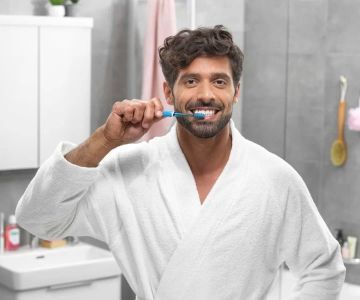
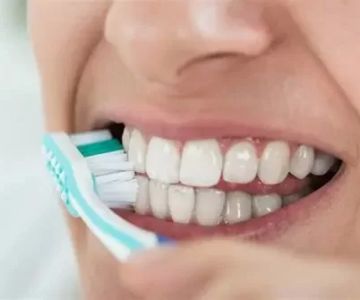
Brushing should be done at least twice daily with fluoride toothpaste. Many people brush quickly, but dentists recommend spending two full minutes using gentle circular motions. Using a soft-bristled brush prevents enamel wear and gum damage. Replacing a toothbrush every three months, or sooner if the bristles fray, is another small step that protects oral health.
2. Flossing and Cleaning Between Teeth
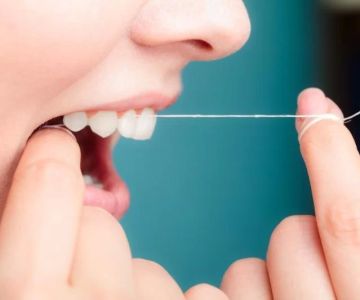
Flossing is one of the most overlooked parts of oral hygiene. It removes food particles and plaque between teeth where brushes cannot reach. Skipping flossing leads to gum disease even in people who brush regularly. Alternatives like water flossers are excellent for those who struggle with traditional floss.
3. Diet and Oral Health
Sugar and acidic foods contribute to tooth decay, but oral hygiene also benefits from nutrient-rich foods. Diets high in calcium, vitamin D, and fiber support stronger teeth and gums. For example, dairy products, leafy greens, and crunchy vegetables like carrots act as natural cleaners, reducing plaque buildup.
4. Regular Dental Visits
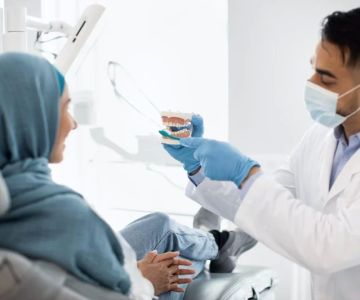
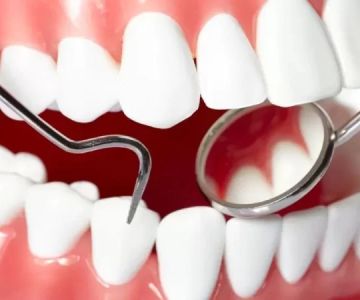
No matter how good your at-home routine is, professional checkups remain essential. Dentists can identify early signs of cavities, gum disease, or oral cancer. Routine cleanings twice a year prevent long-term damage and help maintain fresh breath and bright smiles. Clinics such as Family Dentistry Online can connect patients with the right services tailored to their needs.
Real-Life Lessons About Oral Hygiene
One mother from Texas recalled how her son avoided cavities for years by following simple routines recommended by their family dentist. In contrast, her neighbor ignored dental checkups and later required extensive treatment costing thousands of dollars. These contrasting experiences highlight how oral hygiene directly impacts quality of life, financial stability, and confidence in social settings. Oral hygiene is a lifelong investment that pays off in every smile and conversation.
Making Oral Hygiene a Lifelong Habit
Oral hygiene should not feel like a chore. By integrating small, consistent habits into daily life, anyone can protect their oral health. Using reminders on phones to brush and floss, making dental visits a family event, or even keeping dental kits at work are practical ways to maintain good routines. In the United States, where healthcare costs are high, prevention through oral hygiene is one of the most cost-effective strategies individuals can adopt.
Encouraging the Next Generation
Teaching children the value of oral hygiene early builds habits that last into adulthood. Many parents make brushing fun with colorful toothbrushes, songs, or rewards. Dentists stress that when kids see oral hygiene as part of their routine rather than a punishment, they are more likely to carry these habits throughout life. Oral hygiene is not only about health but also about building confidence from a young age.

 Access Health Dental4.0 (280 review)
 Dayspring Pediatric Dentistry4.0 (34 review)
 Dr. Denise M. Henderson, DDS5.0 (221 review)
 Marcellus T. Horsch, DDS4.0 (5 review)
 The Orthodontic Group of Chester County4.0 (71 review)
 Community Health Care Hilltop Family Dental Clinic3.0 (188 review)
 The Importance of Oral Health Education During Pregnancy for a Healthy Pregnancy
 Best Tips for Brushing Your Teeth Properly for Healthy Gums: Essential Techniques for Oral Health
 Why Skipping Dental Checkups Can Lead to Bigger Oral Health Problems
 Advantages of Porcelain Dental Restorations
 How Can Diabetes Cause Tooth and Gum Problems? Preventing and Managing Oral Health Issues
 Healthy Habits for Promoting Good Oral Health and Hygiene: Tips for a Healthy Smile