
What Diseases Can Poor Oral Health Cause?
1. The Connection Between Oral Health and Overall Health
Most people think oral health only concerns teeth and gums. But science tells us a different story. Your mouth is the gateway to the rest of your body, and its condition can have far-reaching effects. The American Dental Association and the CDC confirm that poor dental hygiene is linked to a variety of systemic diseases, some of which are life-threatening.
2. Gum Disease and Its Dangerous Impact
2.1 From Gingivitis to Periodontitis
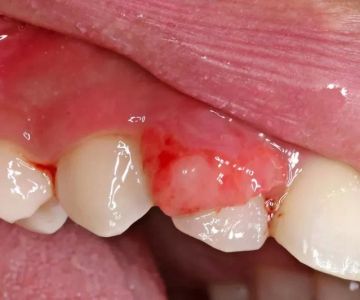
Gingivitis, the earliest stage of gum disease, often goes unnoticed. Symptoms like bleeding gums or bad breath are commonly ignored. But untreated gingivitis can progress into periodontitis—a severe infection that damages soft tissue and can destroy the bone supporting your teeth. This doesn’t just affect your smile—it affects your body.
2.2 The Inflammatory Connection
Chronic inflammation in your mouth doesn’t stay there. Inflammation can enter the bloodstream, setting the stage for serious conditions. According to a study by Harvard Health, people with gum disease have a higher risk of heart disease, stroke, and complications from diabetes.
3. Heart Disease: The Silent Consequence
Imagine this: A 52-year-old man in Texas brushed off his bleeding gums for years. He had no idea that the bacteria in his mouth were slowly infiltrating his bloodstream. One day, after experiencing chest pains, he was rushed to the ER and diagnosed with endocarditis—a rare but fatal heart infection triggered by oral bacteria.
The American Heart Association notes a significant link between periodontal disease and increased risk of coronary artery disease. Bacteria from your mouth can travel and cause arterial inflammation, leading to hardened arteries and even heart attacks.
4. Diabetes and Poor Oral Health: A Two-Way Street
Poor oral health doesn’t just increase the risk of diabetes; diabetes also worsens oral infections. Diabetics are more susceptible to bacterial infections and have a decreased ability to fight them. This vicious cycle makes it critical for diabetic patients to maintain top-notch oral hygiene.
According to the American Diabetes Association, people with diabetes are more likely to suffer from gum disease, which can, in turn, spike blood sugar levels and complicate diabetes management.
5. Respiratory Infections and Lung Conditions
Breathing in bacteria from infected teeth and gums can lead to serious respiratory issues, especially in older adults. Pneumonia, bronchitis, and even chronic obstructive pulmonary disease (COPD) have been linked to poor dental hygiene.
Nursing homes across the U.S. are beginning to mandate oral care protocols, recognizing the direct link between mouth bacteria and deadly lung infections. In elderly patients, even minor neglect can have devastating effects.
6. Pregnancy Complications
Pregnant women with gum disease face higher risks of premature birth and low birth weight. Hormonal changes during pregnancy make gums more sensitive and vulnerable to infection. OB-GYNs now routinely check for oral health issues, and dentists often play a role in prenatal care.
A case study in Ohio revealed that a mother with untreated periodontal disease gave birth at 33 weeks. Her doctor later cited oral inflammation as a contributing factor. It’s a stark reminder that oral health affects every stage of life.
7. Oral Bacteria and Brain Health
Emerging research has started to explore the link between oral health and brain diseases like Alzheimer’s. Some studies have found the presence of *Porphyromonas gingivalis*—a bacteria associated with gum disease—in the brains of Alzheimer's patients. Though still under investigation, the evidence suggests that poor oral health may contribute to cognitive decline.
8. Oral Health and Kidney Disease
People with advanced gum disease are more likely to suffer from chronic kidney disease. The systemic inflammation caused by oral infections puts extra stress on kidneys and can worsen existing conditions. Researchers emphasize oral care as part of overall kidney disease management.
9. Cancer Risks
Studies have found that people with gum disease are at higher risk for certain cancers, including oral, pancreatic, and blood cancers. The theory is that chronic inflammation weakens the immune system and opens the door to abnormal cell growth.
A long-term study from Boston found that men with severe periodontitis were over 60% more likely to develop pancreatic cancer than those with healthy gums. While more research is needed, the warning is clear: oral neglect carries high stakes.
10. Protecting Your Health Through Dental Hygiene
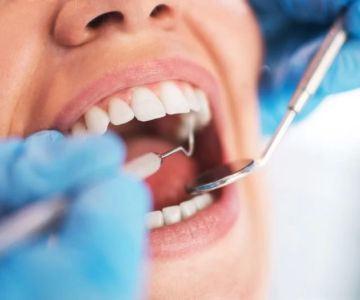
Prevention is key. Brushing twice daily, flossing, and routine dental checkups do more than protect your smile—they may save your life. It's essential to understand that oral health isn't cosmetic; it's foundational to your entire well-being.
For Americans looking to take control of their health, visiting a trusted dental care provider is a vital first step. Providers like Family Dentistry Online offer expert care that can detect and address issues before they escalate into major health threats.



 Park South Dental: Lam Phillip H DMD4.0 (29 review)
 Allen J. Schultz, DDS5.0 (1 review)
 Rhode Island Periodontics4.0 (694 review)
 Brar Dentistry4.0 (381 review)
 Sunrise Dental Group Dr Monica Giuliani4.0 (307 review)
 Gasser Dental Implants4.0 (219 review)
 The Importance of Oral Health Education During Pregnancy for a Healthy Pregnancy
 Best Tips for Brushing Your Teeth Properly for Healthy Gums: Essential Techniques for Oral Health
 Why Skipping Dental Checkups Can Lead to Bigger Oral Health Problems
 Advantages of Porcelain Dental Restorations
 How Can Diabetes Cause Tooth and Gum Problems? Preventing and Managing Oral Health Issues
 Healthy Habits for Promoting Good Oral Health and Hygiene: Tips for a Healthy Smile