
What Diseases Can Affect My Oral Health?
Oral health is not just about keeping your teeth white or avoiding cavities. The mouth often serves as a window into overall health, where systemic diseases show their earliest symptoms. From gum inflammation to chronic ulcers, certain conditions can strongly influence oral health. In the United States, dentists frequently emphasize the importance of monitoring oral changes because they can reveal much more than surface-level dental problems.
Diabetes and Oral Health
Diabetes is one of the most common diseases that significantly impacts oral health. High blood sugar levels can reduce the body’s ability to fight infection, which means gum disease becomes more likely and more severe. People with uncontrolled diabetes often report bleeding gums, slow healing after dental procedures, and recurring oral infections. A real-life example involves a teacher in Ohio who struggled with frequent gum infections until her diabetes was properly managed. After bringing her blood sugar under control, her oral health improved dramatically.
1. Gum Disease Connection
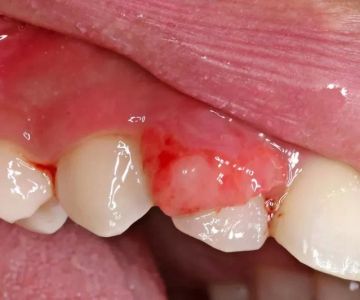
Diabetes weakens gum tissue, creating an ideal environment for bacteria. This not only leads to periodontal disease but can also worsen blood sugar control, forming a harmful cycle. Consistent dental care is essential for breaking this cycle.
2. Dry Mouth and Complications
Many diabetic patients experience reduced saliva production, leading to dry mouth. Without enough saliva, bacteria thrive, increasing the risk of tooth decay and ulcers. Staying hydrated and using saliva substitutes can help manage this complication.
Heart Disease and Oral Health
The connection between heart health and oral health has gained much attention in recent years. Research shows that gum disease increases the risk of heart disease and stroke. This happens because bacteria from infected gums can enter the bloodstream and contribute to artery inflammation.
1. The Role of Inflammation
Inflamed gums trigger the release of harmful substances into the bloodstream, which may harden arteries or cause blood clots. Patients with chronic gum infections are twice as likely to suffer cardiovascular complications compared to those with healthy gums.
2. Real-Life Case Study
A retiree in Florida ignored early signs of gum disease, believing it was only a dental issue. Later, during a routine checkup, his physician linked his worsening heart condition to untreated periodontal disease. After receiving periodontal treatment, his overall health stabilized, showing the importance of connecting oral and heart health care.
Respiratory Conditions and Oral Health
Poor oral health can also increase the risk of respiratory infections such as pneumonia and chronic obstructive pulmonary disease (COPD). Bacteria from the mouth may travel to the lungs, causing or worsening respiratory problems, especially in older adults.
1. Vulnerability in Elderly Patients
Residents in nursing homes are particularly vulnerable since reduced mobility often leads to neglected oral hygiene. Cases of aspiration pneumonia have been directly linked to bacteria from untreated gum disease or cavities. Families are increasingly aware of the need for daily oral care for elderly relatives.
Autoimmune Diseases and Oral Health
Autoimmune conditions like lupus and Sjögren’s syndrome have direct effects on the mouth. These diseases weaken the body’s defense system, leading to painful sores, dry mouth, and increased risk of tooth decay.
1. Lupus and Oral Symptoms
Lupus patients may experience ulcers inside the cheeks or on the tongue. These ulcers are often painful and resistant to typical treatment, making regular dental monitoring crucial.
2. Sjögren’s Syndrome
Sjögren’s is characterized by severe dry mouth, which increases the risk of cavities and infections. Dentists frequently recommend specialized fluoride treatments to protect teeth and gums for patients with this condition.
Cancer and Oral Health
Cancer and its treatments, such as chemotherapy and radiation, often create unique oral health challenges. Patients may suffer from severe dry mouth, mouth sores, or a weakened immune system that allows infections to spread quickly.
1. Oral Cancer Risks
Tobacco and alcohol use significantly increase the risk of oral cancer. Symptoms like white patches, persistent sores, or unexplained bleeding should never be ignored. Early detection improves survival rates dramatically.
2. Chemotherapy Effects
Patients undergoing chemotherapy often report mouth ulcers and gum irritation. These side effects make daily oral care painful but necessary. Dentists and oncologists often collaborate to provide solutions that reduce discomfort and prevent secondary infections.
Practical Ways to Protect Oral Health
Preventing oral problems linked to systemic diseases requires a proactive approach:
1. Maintain a Strong Oral Hygiene Routine
Brushing twice a day, flossing daily, and using antibacterial mouth rinses are the first line of defense against bacteria buildup and inflammation.
2. Regular Dental Checkups
Routine visits allow dentists to detect early warning signs of diseases that affect oral health. Many patients discover underlying medical issues through dental exams before their physicians make a diagnosis.
3. Healthy Lifestyle Choices
A balanced diet, quitting smoking, and limiting alcohol intake support both oral and overall health. These changes not only strengthen the immune system but also reduce risks of gum disease, heart conditions, and cancer.
When to Seek Professional Help
Persistent oral issues such as recurring ulcers, bleeding gums, or unexplained dry mouth should not be ignored. These may signal larger health problems that need medical attention. By addressing symptoms early, patients can protect both their oral health and general well-being.
Final Thoughts on Oral Health and Diseases
Oral health is deeply connected to overall health. Diseases like diabetes, heart disease, respiratory conditions, autoimmune disorders, and cancer all impact the mouth in unique ways. By practicing strong oral hygiene, scheduling regular dental checkups, and staying alert to changes, individuals can protect themselves from serious complications. For personalized recommendations and professional services, explore resources available at Family Dentistry Online.


 Emerson Family Dental5.0 (273 review)
 Scott Silverman, MD3.0 (6 review)
 Bensalem Dental Specialties Center3.0 (162 review)
 Pediatric Dental Specialists4.0 (302 review)
 Periodontology Inc.4.0 (168 review)
 TMJ & Facial Pain Treatment Center4.0 (131 review)
 The Importance of Oral Health Education During Pregnancy for a Healthy Pregnancy
 Best Tips for Brushing Your Teeth Properly for Healthy Gums: Essential Techniques for Oral Health
 Why Skipping Dental Checkups Can Lead to Bigger Oral Health Problems
 Advantages of Porcelain Dental Restorations
 How Can Diabetes Cause Tooth and Gum Problems? Preventing and Managing Oral Health Issues
 Healthy Habits for Promoting Good Oral Health and Hygiene: Tips for a Healthy Smile