
Understanding the Causes of Poor Oral Hygiene
Maintaining good oral hygiene is crucial for keeping your teeth and gums healthy. However, many people struggle with poor oral hygiene, which can lead to various dental issues, including cavities, gum disease, and bad breath. Understanding what causes poor oral hygiene is the first step in preventing these problems. In this article, we’ll explore the common causes of poor oral hygiene and offer practical tips to help you maintain a healthy mouth.
1. Inadequate Brushing Habits
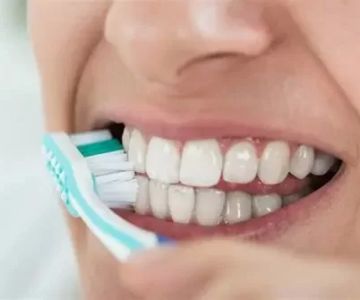
One of the leading causes of poor oral hygiene is inadequate brushing. Many people don’t brush their teeth long enough or use improper techniques. Brushing for just a few seconds may not effectively remove plaque, which is the sticky film of bacteria that forms on your teeth.
How to Fix It: Aim to brush your teeth for at least two minutes twice a day, using a fluoride toothpaste. Be sure to use gentle, circular motions to clean all surfaces of your teeth, including the back teeth and along the gumline.
2. Skipping Flossing
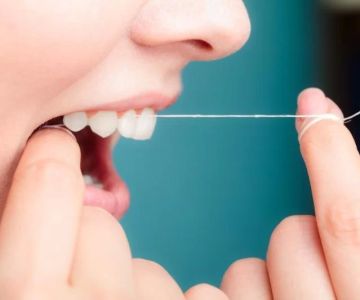
Flossing is just as important as brushing when it comes to maintaining oral hygiene. Flossing helps remove food particles and plaque from between your teeth, areas where your toothbrush can’t reach. Skipping flossing regularly can lead to plaque buildup between your teeth, which can result in cavities and gum disease.
How to Fix It: Make flossing a daily habit. Aim to floss once a day, using about 18 inches of floss to clean between all of your teeth. If you find traditional floss difficult to use, consider using floss picks or a water flosser.
3. Poor Diet Choices
Your diet plays a significant role in your oral health. Foods that are high in sugar, such as candies, soda, and sugary snacks, can promote the growth of bacteria that cause tooth decay. Additionally, acidic foods and drinks can weaken tooth enamel over time.
How to Fix It: Limit sugary and acidic foods and beverages. Instead, opt for a balanced diet rich in vegetables, fruits, and lean proteins. Drinking plenty of water can also help wash away food particles and bacteria from your mouth.
4. Not Visiting the Dentist Regularly
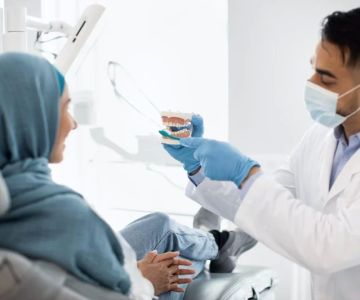
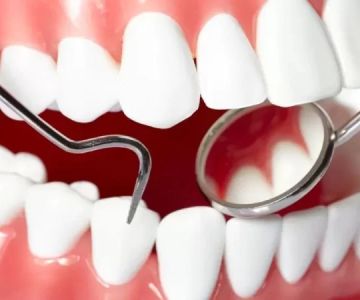
Regular dental checkups are essential for maintaining good oral hygiene. Without professional cleanings and checkups, plaque and tartar can accumulate, leading to dental issues that may go unnoticed until they become severe.
How to Fix It: Schedule a dental appointment at least twice a year for cleanings and checkups. Your dentist can spot potential problems early and help you maintain a healthy mouth.
5. Smoking and Tobacco Use
Smoking and using other tobacco products can severely impact your oral health. Tobacco use increases the risk of gum disease, tooth decay, and oral cancer. It can also cause bad breath and stain your teeth.
How to Fix It: Quitting smoking and avoiding tobacco products can greatly improve your oral hygiene and overall health. If you need help quitting, consider seeking support from your healthcare provider or a support group.
6. Dry Mouth
Saliva plays a crucial role in maintaining oral hygiene by helping wash away food particles and bacteria. If you suffer from dry mouth, your mouth may not produce enough saliva, leading to an increased risk of tooth decay and gum disease.
How to Fix It: Drink plenty of water throughout the day to stay hydrated. Chewing sugar-free gum or using saliva substitutes can also help stimulate saliva production and keep your mouth moist.
7. Medications and Medical Conditions
Certain medications and medical conditions can affect your oral hygiene. For example, some medications may cause dry mouth, while others may lead to an overgrowth of bacteria in the mouth. Additionally, conditions like diabetes can increase the risk of gum disease.
How to Fix It: Talk to your doctor or dentist if you believe your medications or medical conditions are affecting your oral health. Your dentist can offer solutions to help mitigate any oral health risks associated with your condition or medication.
8. Not Replacing Your Toothbrush Regularly
Using an old or worn-out toothbrush is another cause of poor oral hygiene. Over time, the bristles on your toothbrush lose their effectiveness and become less efficient at cleaning your teeth.
How to Fix It: Replace your toothbrush every 3 to 4 months, or sooner if the bristles are frayed. If you use an electric toothbrush, replace the brush head according to the manufacturer's instructions.
Taking Action to Improve Your Oral Hygiene
Now that you understand what causes poor oral hygiene, it’s important to take action to address these factors. By making simple changes to your oral care routine, diet, and lifestyle, you can significantly improve your oral hygiene and prevent serious dental issues.
For more tips and guidance on maintaining healthy teeth and gums, consider visiting Family Dentistry Online for expert recommendations and services.


 Manhattan Dental Arts4.0 (394 review)
 A Tooth Fairy Dental4.0 (463 review)
 Tiny Tooth Co. and Trindade Orthodontics4.0 (107 review)
 Desert Ridge Smiles - Radhika Rawal DDS5.0 (145 review)
 Colin A Gustus DMD4.0 (127 review)
 Rota Advanced Dental Care4.0 (118 review)
 The Importance of Oral Health Education During Pregnancy for a Healthy Pregnancy
 Best Tips for Brushing Your Teeth Properly for Healthy Gums: Essential Techniques for Oral Health
 Why Skipping Dental Checkups Can Lead to Bigger Oral Health Problems
 Advantages of Porcelain Dental Restorations
 How Can Diabetes Cause Tooth and Gum Problems? Preventing and Managing Oral Health Issues
 Healthy Habits for Promoting Good Oral Health and Hygiene: Tips for a Healthy Smile