
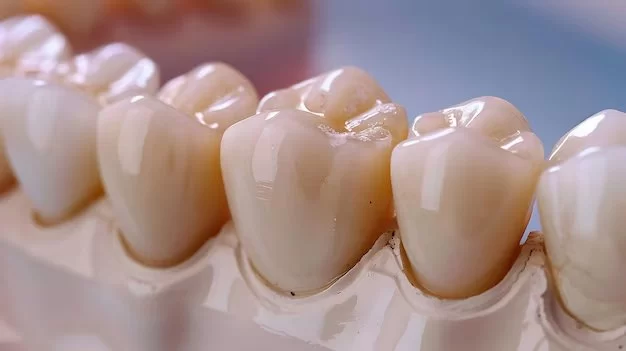
1. What Are Dental Crowns?
A dental crown is a cap-like structure that is placed over a tooth to restore its shape, size, strength, and appearance. It is typically used to cover a tooth that has been severely damaged or decayed, providing it with additional protection and support. Dental crowns are commonly made from a variety of materials, including porcelain, metal, resin, or ceramic, depending on the needs of the patient and the location of the tooth.
2. Why Are Dental Crowns Needed?
Dental crowns are necessary in situations where a tooth has been weakened, either due to decay, trauma, or extensive dental procedures. Some of the most common reasons why a dentist may recommend a dental crown include:
- Severe Decay: When a tooth has been significantly damaged by decay and a filling is not sufficient to restore its strength, a crown can cover and protect the tooth.
- Cracked or Broken Teeth: Teeth that are cracked, fractured, or broken can be protected with a dental crown to prevent further damage and preserve their functionality.
- After Root Canal Treatment: A crown is often placed over a tooth after a root canal procedure to restore its structure and prevent it from breaking.
- Cosmetic Improvement: Crowns can also be used to improve the appearance of teeth that are discolored, misshapen, or have other aesthetic concerns.
3. How Dental Crowns Help Restore Your Teeth
Dental crowns play a crucial role in restoring the function and appearance of damaged or weakened teeth. They help in several ways:
- Protection: Crowns provide a protective barrier around the tooth, preventing further damage from occurring. This is especially important for teeth that have been weakened due to decay or trauma.
- Structural Support: A crown helps to restore the tooth's structure and strength, allowing it to function like a natural tooth. It can withstand the pressure of chewing and prevent further fractures.
- Improved Aesthetics: Crowns can be made to match the color and shape of your natural teeth, providing a seamless and natural appearance, especially for visible teeth in the front of the mouth.
- Restoration of Functionality: By covering and protecting a damaged tooth, a crown allows the tooth to function properly for chewing, biting, and speaking.
4. Types of Dental Crowns
Dental crowns come in several types, each with its own benefits and considerations. The choice of material depends on factors such as the location of the tooth, the extent of damage, and the patient's aesthetic preferences. The most common types of dental crowns are:
- Porcelain Crowns: Porcelain crowns are often used for teeth that are visible when smiling, as they can be customized to match the color and translucency of natural teeth.
- Metal Crowns: Metal crowns are durable and are typically used for teeth in the back of the mouth that are less visible. They are made from alloys such as gold or other metals.
- Ceramic Crowns: Ceramic crowns offer the best of both worlds, providing a natural appearance like porcelain while being more durable than traditional porcelain crowns.
- Resin Crowns: Resin crowns are a more affordable option but may wear down faster compared to porcelain or metal crowns. They are commonly used for temporary solutions.
- Porcelain-Fused-to-Metal Crowns: These crowns combine the strength of metal with the aesthetic appeal of porcelain, making them suitable for both durability and appearance.
5. The Crown Placement Process
The process of getting a dental crown typically involves two visits to your dentist. The first visit focuses on preparing the tooth and taking impressions, while the second visit involves placing the crown. Here’s an overview of the steps:
- Initial Consultation: Your dentist will assess the condition of your tooth and take X-rays to determine if a crown is necessary. If a crown is recommended, they will begin preparing the tooth.
- Tooth Preparation: During the first visit, the dentist will clean and reshape the damaged tooth to create space for the crown. They may need to remove decayed or damaged portions of the tooth.
- Impressions and Temporary Crown: After shaping the tooth, the dentist will take an impression to create a custom crown. A temporary crown will be placed to protect the tooth until the permanent crown is ready.
- Fitting and Placement: During the second visit, the dentist will remove the temporary crown and place the permanent crown over the tooth, ensuring a secure and comfortable fit.
6. Benefits of Dental Crowns
Dental crowns offer several significant advantages for patients who need tooth restoration. Some of the top benefits include:
- Durability: Crowns are designed to last for many years, with proper care and maintenance. Porcelain crowns, in particular, are resistant to staining and wear.
- Improved Smile: Crowns can improve the appearance of damaged or misshapen teeth, enhancing the overall appearance of your smile.
- Prevent Further Damage: Crowns help prevent further damage to weakened teeth, preserving their structure and function.
- Comfort: Once placed, crowns are comfortable to wear and function just like natural teeth, allowing you to eat, speak, and smile without difficulty.
7. Caring for Your Dental Crowns
To ensure the longevity of your dental crown and maintain optimal oral health, it's important to follow proper care guidelines:
- Regular Brushing and Flossing: Maintain good oral hygiene by brushing and flossing regularly. This will prevent plaque buildup and keep your crown clean.
- Avoid Hard Foods: While crowns are durable, it’s best to avoid biting into hard foods, such as ice or hard candy, that could damage the crown.
- Regular Dental Checkups: Visit your dentist regularly for checkups to ensure your crown is in good condition and to detect any potential issues early.
By understanding what dental crowns are, how they help restore your teeth, and how to care for them, you can make informed decisions about your oral health. If you’re considering a dental crown, be sure to consult with a trusted dentist to explore your options.



 HOLISTIC DENTAL AND WELLNESS CENTER3.0 (8 review)
 Dr. Jeffrey C. Klein DDS5.0 (11 review)
 Pearl Smiles Dentistry Farmingdale5.0 (7 review)
 Dr. Leonard F. Anglis, DDS Implant & Restorative Dentistry5.0 (24 review)
 Choice One Dental of Buford4.0 (390 review)
 Spring Lake Dental Arts4.0 (64 review)
 The Importance of Oral Health Education During Pregnancy for a Healthy Pregnancy
 Best Tips for Brushing Your Teeth Properly for Healthy Gums: Essential Techniques for Oral Health
 Why Skipping Dental Checkups Can Lead to Bigger Oral Health Problems
 Advantages of Porcelain Dental Restorations
 How Can Diabetes Cause Tooth and Gum Problems? Preventing and Managing Oral Health Issues
 Healthy Habits for Promoting Good Oral Health and Hygiene: Tips for a Healthy Smile