
- 1-Why-Teen-Oral-Health-Requires-Special-Attention
- 2-How-Water-Flossers-for-Teens-Improve-Daily-Oral-Care
- 3-Warning-Signs-You-Should-See-a-Dentist-Immediately
- 4-Common-Dental-Problems-Teenagers-Experience
- 5-How-Parents-and-Teens-Can-Prevent-Dental-Emergencies
- 6-Building-Healthy-Oral-Habits-That-Last-Into-Adulthood
1. Why Teen Oral Health Requires Special Attention
Teenagers go through rapid physical changes, and oral health is no exception. During adolescence, diet, lifestyle habits, orthodontic treatment, and hormonal changes can all affect the health of teeth and gums. For many families in the United States, understanding how to maintain healthy teeth during these years can prevent serious dental problems later.
One growing topic in teen dental care is the use of water flossers for teens. These devices use a gentle stream of water to remove food particles and plaque between teeth and along the gumline. For teenagers who struggle with traditional flossing, water flossers can make daily dental care easier and more effective.
However, even with good oral hygiene tools, there are moments when a teen’s dental health requires professional attention. Recognizing the signs you should see a dentist immediately can make a major difference in preventing small issues from turning into major dental problems.
1.1 Why teens often skip important dental habits
Many teenagers develop busy schedules with school, sports, social activities, and screen time. As a result, brushing and flossing may become rushed or skipped entirely. Over time, this can lead to plaque buildup, gum irritation, and tooth decay.
1.2 Why prevention matters more during teenage years
The teenage years are critical for establishing long-term dental habits. Good routines formed now often continue into adulthood, reducing the risk of gum disease, cavities, and other oral health complications.
2. How Water Flossers for Teens Improve Daily Oral Care
Traditional flossing can be challenging, especially for teens wearing braces or aligners. This is where water flossers for teens can play a helpful role in improving daily oral hygiene.
2.1 Easier plaque removal around braces
Teens undergoing orthodontic treatment often struggle to clean around brackets and wires. Water flossers allow them to direct a controlled stream of water into tight spaces that traditional floss may not reach easily.
2.2 Encouraging consistent dental routines
Because water flossers are simple and quick to use, many teens find them less frustrating than string floss. When oral hygiene feels easier, teenagers are more likely to stick with it consistently.
2.3 Supporting gum health
Water flossers help remove bacteria along the gumline, reducing the risk of inflammation and gingivitis. Healthy gums are essential for maintaining strong teeth throughout life.
3. Warning Signs You Should See a Dentist Immediately
Even with good oral hygiene, some dental problems require immediate professional care. Recognizing the signs you should see a dentist immediately can prevent pain, infection, and long-term damage.
3.1 Persistent tooth pain
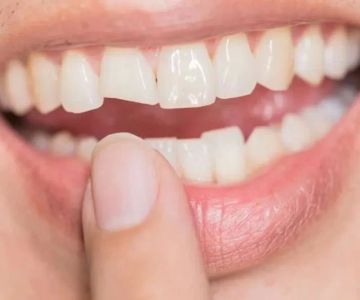
If a teen experiences ongoing tooth pain, it may indicate a cavity, infection, or cracked tooth. Pain that lasts longer than a day or two should always be evaluated by a dental professional.
3.2 Bleeding or swollen gums
Occasional mild bleeding after flossing may happen, but persistent bleeding or swollen gums can signal gum disease or infection. Early treatment can prevent more serious periodontal problems.
3.3 Sudden tooth sensitivity
Extreme sensitivity to hot, cold, or sweet foods may indicate enamel damage or tooth decay. If sensitivity appears suddenly, it is best to schedule a dental appointment quickly.
3.4 Jaw pain or difficulty chewing
Teens who experience jaw pain, clicking sounds, or trouble chewing may have bite issues or temporomandibular joint problems that require professional assessment.
4. Common Dental Problems Teenagers Experience
Teenagers face unique dental challenges due to lifestyle habits, diet, and orthodontic treatment. Understanding these issues helps families take proactive steps toward prevention.
4.1 Cavities from sugary drinks and snacks
Many teens consume energy drinks, soda, and sugary snacks throughout the day. These foods increase the risk of cavities by feeding bacteria that produce acid and weaken tooth enamel.
4.2 Gum irritation during orthodontic treatment
Braces and aligners can trap food particles if not cleaned properly. Without good hygiene practices, teens may develop gum irritation or plaque buildup.
4.3 Teeth grinding during stress
Teenagers experiencing academic pressure or stress may grind their teeth during sleep. Over time, grinding can damage enamel and cause jaw discomfort.
5. How Parents and Teens Can Prevent Dental Emergencies
Preventing dental emergencies often comes down to consistency and awareness. Families who prioritize oral hygiene and regular dental visits can significantly reduce the risk of serious problems.
5.1 Establishing a daily oral care routine
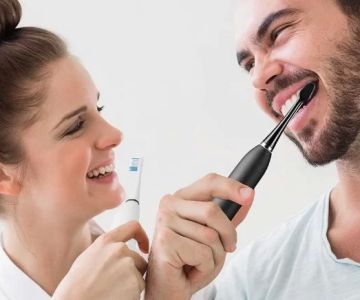
Encourage teens to brush twice daily, floss regularly, and consider tools like water flossers for teens to improve plaque removal.
5.2 Scheduling regular dental checkups
Routine dental visits allow professionals to detect early signs of decay or gum disease before symptoms become severe.
5.3 Encouraging healthier food choices
Reducing sugary snacks and increasing water intake can help protect tooth enamel and maintain healthy gums.
6. Building Healthy Oral Habits That Last Into Adulthood
The teenage years are a critical time for establishing lifelong oral health habits. When teens learn to prioritize dental care early, they reduce the risk of costly and painful dental treatments later in life.
Combining consistent brushing, flossing, and tools like water flossers with regular dental visits creates a strong foundation for long-term oral health. Equally important is recognizing the signs you should see a dentist immediately, ensuring that small concerns are addressed before they become serious issues.
Families looking for professional guidance on teen dental care, preventive strategies, and modern oral hygiene solutions can explore expert resources and recommendations through Family Dentistry Online.


 Smile Fixer RVA: Stacy Lukanuski DDS, D.B.A4.0 (249 review)
 Kevin Walker DDS and Mae Lee Springer DDS5.0 (125 review)
 West Covina FAMILY DENTISTRY4.0 (45 review)
 Longwood Dental Group4.0 (544 review)
 Mission Hills Dentistry4.0 (1161 review)
 Ananian Dental Group4.0 (29 review)
 The Importance of Oral Health Education During Pregnancy for a Healthy Pregnancy
 Best Tips for Brushing Your Teeth Properly for Healthy Gums: Essential Techniques for Oral Health
 Why Skipping Dental Checkups Can Lead to Bigger Oral Health Problems
 Advantages of Porcelain Dental Restorations
 How Can Diabetes Cause Tooth and Gum Problems? Preventing and Managing Oral Health Issues
 Healthy Habits for Promoting Good Oral Health and Hygiene: Tips for a Healthy Smile