Family Dentistry Online
Dental BlogDental ClinicServicesTooth ProblemsOral Health Basics
All Dental ClinicsAlabamaArizonaArkansasCaliforniaColoradoConnecticutDelawareFloridaGeorgiaHawaiiIdahoIllinoisIndianaIowaKansasKentuckyLouisianaMaineMarylandMassachusettsMichiganMinnesotaMississippiMissouriMontanaNebraskaNevadaNew HampshireNew JerseyNew MexicoNew YorkNorth CarolinaNorth DakotaOhioOklahomaOregonPennsylvaniaRhode IslandSouth CarolinaSouth DakotaTennesseeTexasUtahVermontVirginiaWashingtonWest VirginiaWisconsinWyoming
Preventive CareRestorative DentistryOrthodonticsPeriodonticsOral SurgeryCosmetic DentistryPediatric DentistryEmergency DentistrySleep Apnea TreatmentOral Health Education
Tooth DiseasesGum ProblemsMouth Ulcers & InfectionsTeeth Whitening & RestorationMalocclusion & Orthodontic IssuesDry Mouth SyndromeChildren's & Senior Oral Health
Oral HygieneCommon Oral DiseasesDiet and Oral HealthRegular Check-ups and Professional CareOral Health and Overall HealthHealthy Oral HabitsChildren's and Senior Oral Health
Family Dentistry OnlineDental Blog

Understanding Tooth Decay After a Filling: Causes, Prevention, and Treatment

Understanding Tooth Decay After a Filling: Causes, Prevention, and Treatment

Understanding Tooth Decay After a Filling: Causes, Prevention, and Treatment

1. Why Does Tooth Decay Happen After a Filling?

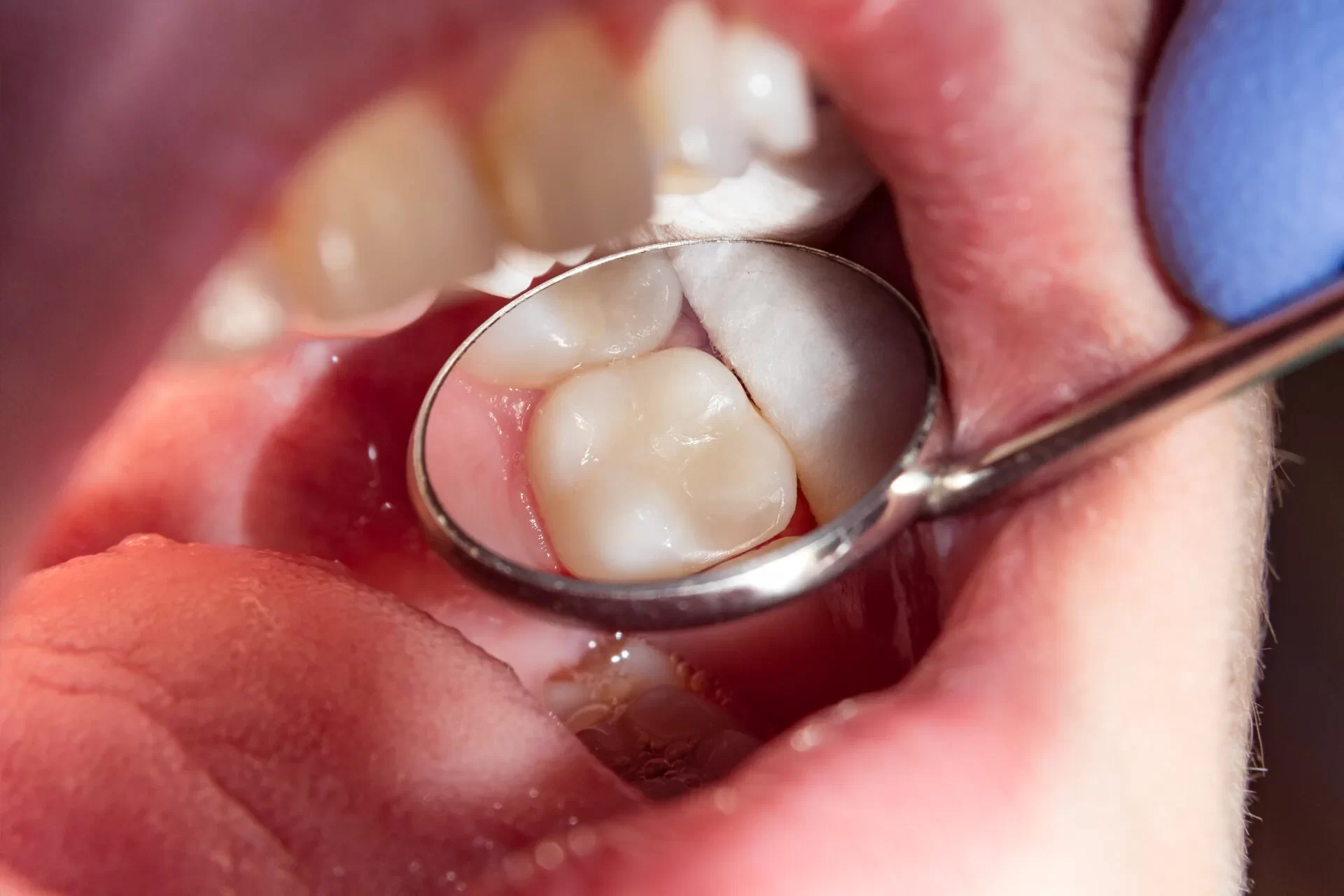
After receiving a dental filling, you might wonder why tooth decay can still develop around the treated area. It’s important to note that while fillings are effective at treating cavities, they are not a permanent solution. Several factors can contribute to the development of new decay, even after the filling procedure.The primary reason for post-filling tooth decay is improper oral hygiene. If the area around the filling is not cleaned thoroughly, plaque can build up, leading to the formation of cavities around the filling. Additionally, fillings themselves can wear down over time, creating gaps where bacteria can enter and cause further decay.In some cases, the type of filling used can impact the risk of decay. Older fillings, particularly amalgam fillings, can shrink slightly, leaving spaces where bacteria might grow. This is why regular check-ups with your dentist are vital for maintaining the integrity of your fillings and preventing future issues.

2. Common Causes of Tooth Decay After Dental Fillings

Several factors can contribute to tooth decay after a filling. These include:- Poor Oral Hygiene: Failure to brush and floss regularly around the filling can allow plaque to accumulate and lead to cavities. Even though the filling itself may prevent decay within the cavity, the surrounding area can still be vulnerable.- Filling Wear and Tear: Over time, fillings can deteriorate, crack, or wear down, creating small gaps where bacteria can thrive. This is particularly common with older fillings, which may need to be replaced.- Improper Bite Alignment: If a filling is not properly aligned with your bite, it can cause extra pressure on certain areas of the tooth, leading to cracks or wear that allow bacteria to enter.- Dietary Habits: High sugar intake can encourage the growth of bacteria in your mouth, especially around the filling. Acidic foods and drinks can also erode the surface of the filling, leading to gaps where decay can develop.- Temperature Sensitivity: Some people experience temperature sensitivity after a filling. If the filling is not placed correctly or if the surrounding tooth structure is weakened, temperature fluctuations can cause cracks or loosening, which may lead to decay.

3. How to Prevent Tooth Decay After a Filling

Preventing tooth decay after a filling requires a combination of good oral hygiene practices, regular dental visits, and healthy lifestyle choices. Here are some tips to keep your teeth healthy after getting a filling:- Brush and Floss Regularly: Make sure to brush your teeth at least twice a day using fluoride toothpaste. Don’t forget to floss daily to remove plaque from around the filling.- Use Mouthwash: Antiseptic mouthwashes can help reduce plaque buildup and bacteria in hard-to-reach areas around fillings.- Limit Sugary Foods and Drinks: Reducing your intake of sugary foods and acidic drinks can help prevent cavities. Opt for a balanced diet rich in fruits, vegetables, and dairy to maintain healthy teeth.- Visit Your Dentist Regularly: Schedule dental check-ups at least every six months. Your dentist can monitor the condition of your fillings and check for early signs of decay.- Consider Sealants: For added protection, dental sealants can be applied to teeth after a filling to create an additional barrier against decay.

4. What to Do if You Experience Tooth Decay After a Filling

If you notice symptoms of decay after a filling, such as pain, sensitivity, or visible dark spots around the filling, it’s important to take action immediately. Ignoring these signs can lead to more serious dental problems, including the need for a root canal.First, visit your dentist for an evaluation. The dentist will assess the filling and surrounding tooth structure to determine whether further treatment, such as a new filling or crown, is necessary. In some cases, your dentist may recommend replacing the filling with a more durable material, such as a ceramic or composite filling.It’s also crucial to follow the post-treatment advice provided by your dentist, especially regarding diet and hygiene, to avoid further decay.

5. Maintaining Oral Health After a Dental Filling

After getting a dental filling, maintaining good oral health is essential for avoiding future decay. Regular brushing, flossing, and dental visits are key to keeping your teeth in excellent condition. However, even with the best oral hygiene, it’s important to monitor your fillings regularly to ensure they remain intact.If you experience any discomfort or changes around your filling, such as sensitivity or signs of wear, make sure to contact your dentist promptly. Timely intervention can help prevent further complications and preserve the health of your tooth.To maintain the longevity of your fillings and your overall dental health, consider incorporating lifestyle changes such as eating a balanced diet, avoiding harmful habits like smoking, and drinking plenty of water.For more information on maintaining oral health and preventing tooth decay after fillings, visit [Dentistry Toothtruth](https://familydentistryonline.net) for expert tips and dental care products.

Trending Blog Articles

Popular Dental Blog Posts

Categories

Popular Dental Clinics

Top Dental Blog Posts

Most Searched Dental Clinics

Hot Blog Topics