
Understanding Oral Infection Symptoms: Signs, Causes, and Treatment Options
- Oral Infection Symptoms
- Causes of Oral Infections
- Treatment for Oral Infections
- Preventing Oral Infections
1. Oral Infection Symptoms
Oral infections can range from mild to severe and often come with specific signs. Common symptoms of oral infections include:
- Pain or tenderness in the mouth, especially around the gums or teeth
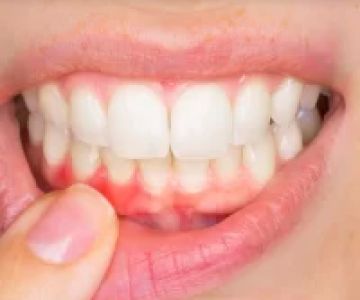
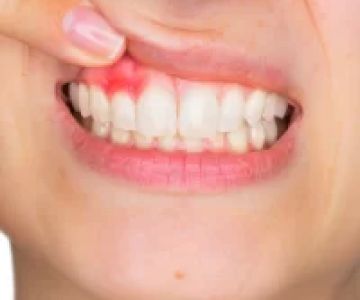
- Red or swollen gums
- Fever and general discomfort
- Bad breath or a foul taste in the mouth
- Difficulty swallowing or opening the mouth fully
If you notice any of these symptoms, it's important to seek dental care promptly to avoid complications. For instance, untreated tooth infections can spread to other areas of the body, causing more serious health issues.
2. Causes of Oral Infections
Oral infections can be caused by a variety of factors, most commonly by bacteria. The primary causes include:
- Tooth decay, which can lead to abscesses and gum infections
- Gum disease (periodontitis), caused by plaque buildup
- Injuries or trauma to the mouth, which can allow bacteria to enter
- Underlying health issues like diabetes, which can make the gums more susceptible to infections
Regular visits to the dentist and maintaining a consistent oral hygiene routine can help reduce the risk of developing oral infections.
3. Treatment for Oral Infections
Treating oral infections depends on the severity and type of infection. Common treatment options include:
- Antibiotics, which may be prescribed to fight bacterial infections
- Draining abscesses to relieve pain and eliminate pus
- Root canal therapy to treat infections deep within the tooth
- In more severe cases, tooth extraction may be necessary
It is essential to follow your dentist’s advice and complete the full course of treatment to prevent the infection from returning.
4. Preventing Oral Infections
Prevention is always better than treatment. Here are some steps you can take to reduce your risk of oral infections:
- Brush your teeth at least twice a day with fluoride toothpaste
- Floss daily to remove plaque and food particles from between your teeth
- Visit your dentist regularly for check-ups and professional cleanings
- Avoid smoking, as it can weaken your gums and increase the risk of infections
By following these preventative measures, you can significantly lower your risk of developing oral infections and maintain optimal oral health.
For more information on how to maintain a healthy mouth and treat oral infections effectively, visit Dentistry Toothtruth.




 ClearChoice Dental Implant Center4.0 (314 review)
 Affordable Dentures & Implants4.0 (502 review)
 Valley View Dental4.0 (1195 review)
 DentalWorks & Orthodontics Schaumburg4.0 (367 review)
 Simply Beautiful Smiles of Hamilton, NJ4.0 (157 review)
 Evenly Orthodontics0.0 (0 review)
 The Importance of Oral Health Education During Pregnancy for a Healthy Pregnancy
 Best Tips for Brushing Your Teeth Properly for Healthy Gums: Essential Techniques for Oral Health
 Why Skipping Dental Checkups Can Lead to Bigger Oral Health Problems
 Advantages of Porcelain Dental Restorations
 How Can Diabetes Cause Tooth and Gum Problems? Preventing and Managing Oral Health Issues
 Healthy Habits for Promoting Good Oral Health and Hygiene: Tips for a Healthy Smile