
1- What Is Oral Crohn's Disease?
Crohn's disease is a chronic inflammatory condition that primarily affects the digestive tract, causing symptoms like abdominal pain, diarrhea, and weight loss. However, Crohn's disease can also manifest outside the digestive system, affecting other areas of the body, including the mouth. Oral Crohn's disease refers to the oral manifestations of Crohn's disease, which can cause a range of dental and oral health issues.
In this article, we will explore what oral Crohn's disease is, how it affects the mouth, the symptoms to watch out for, and the available treatments. Understanding the connection between Crohn's disease and oral health is essential for those managing this chronic condition, as the mouth is often the first place symptoms can appear.
2- How Does Oral Crohn's Disease Affect Your Mouth?
Oral Crohn's disease can present in various ways, with symptoms ranging from mild irritation to severe inflammation. The condition affects both the soft and hard tissues of the mouth, including the gums, tongue, and the roof of the mouth. It is important to note that oral manifestations of Crohn's disease are not always limited to people who have been diagnosed with Crohn's disease in the digestive tract. Some individuals may experience oral symptoms even if their Crohn's disease is not actively affecting their intestines.
2.1- Common Symptoms of Oral Crohn's Disease
People with oral Crohn's disease may experience a variety of symptoms, including:
1. Mouth Ulcers
One of the most common signs of oral Crohn's disease is the development of painful mouth ulcers (also known as canker sores). These sores can appear on the inside of the lips, cheeks, tongue, and gums. They are often small but can be very painful and can make it difficult to eat, drink, or speak.
2. Swollen and Bleeding Gums
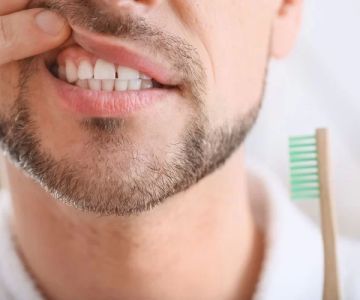
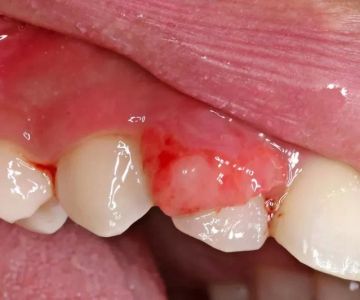
Another symptom of oral Crohn's disease is swollen, inflamed, and bleeding gums. This can make it challenging to maintain good oral hygiene and can contribute to further dental issues like gum disease and tooth decay.
3. Dry Mouth
People with Crohn's disease often experience dry mouth, which can be caused by inflammation of the salivary glands or as a side effect of medications used to treat Crohn's disease. A dry mouth can lead to difficulties with speaking, swallowing, and can increase the risk of tooth decay and gum disease.
4. Red or Swollen Lips
Inflammation caused by Crohn's disease can also affect the lips, leading to redness, swelling, and sometimes cracking at the corners of the mouth. This can be uncomfortable and, in severe cases, can interfere with daily activities.
5. Difficulty Swallowing
In some cases, the inflammation in the mouth can cause difficulty swallowing, known as dysphagia. This symptom is particularly common when the inflammation affects the back of the throat or the roof of the mouth.
3- What Causes Oral Crohn's Disease?
The exact cause of Crohn's disease, including oral Crohn's disease, is not entirely understood. However, it is believed to result from a combination of genetic, environmental, and immune system factors.
3.1- Genetics
Genetics plays a significant role in the development of Crohn's disease. Individuals with a family history of Crohn's disease or other inflammatory bowel diseases (IBD) are more likely to develop the condition. Research has shown that certain genetic mutations can make the immune system more prone to causing inflammation in the digestive tract, which can extend to other parts of the body, including the mouth.
3.2- Immune System Dysfunction
Crohn's disease is considered an autoimmune condition, meaning that the immune system mistakenly attacks healthy tissues. In the case of oral Crohn's disease, this malfunctioning immune response targets the mouth's tissues, causing inflammation and other symptoms like ulcers and gum disease.
3.3- Environmental Triggers
Certain environmental factors, such as diet, smoking, and infections, may trigger or worsen the symptoms of Crohn's disease, including its oral manifestations. For example, smoking has been shown to increase the severity of Crohn's disease and may also contribute to gum disease in people with oral Crohn's disease.
4- How Is Oral Crohn's Disease Diagnosed?
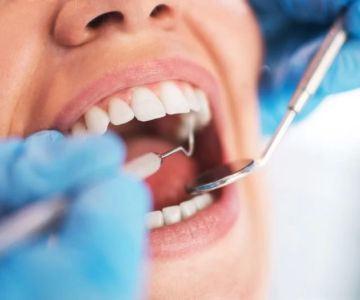
Oral Crohn's disease is typically diagnosed through a combination of medical history, physical examination, and possibly biopsy. Dentists and doctors will look for characteristic symptoms, such as mouth ulcers, swollen gums, and dry mouth. In some cases, a biopsy of the affected tissue may be taken to confirm the diagnosis.
4.1- Importance of Regular Dental Visits
If you have Crohn's disease, it is important to visit your dentist regularly, even if you don’t have noticeable oral symptoms. Your dentist can check for signs of oral Crohn's disease early on and help you manage any complications that arise. Regular dental visits will also help prevent further oral issues, such as gum disease and cavities, which can be exacerbated by Crohn's disease.
5- Treatment and Management of Oral Crohn's Disease
While there is no cure for Crohn's disease, its oral manifestations can be managed with a combination of treatments aimed at reducing inflammation and managing symptoms. The treatment approach will depend on the severity of the oral symptoms and the overall management of Crohn's disease.
5.1- Medications
For people with oral Crohn's disease, anti-inflammatory medications are commonly prescribed. These may include corticosteroids or immunosuppressive drugs that reduce inflammation in the mouth and other areas of the body. In some cases, topical treatments like gels or mouthwashes may be used to directly treat mouth ulcers and swelling.
5.2- Dental Care for Oral Crohn's Disease
Maintaining excellent oral hygiene is crucial in managing oral Crohn's disease. Brushing at least twice a day with a soft-bristled toothbrush and flossing regularly will help reduce plaque buildup and prevent gum disease. Using fluoride toothpaste and mouthwashes that contain antibacterial agents can also help manage symptoms and reduce the risk of further complications.
5.3- Lifestyle Changes
For some people, certain lifestyle changes may help alleviate symptoms of oral Crohn's disease. Quitting smoking is one of the most important changes that can improve oral health. Additionally, staying hydrated and managing stress can help reduce flare-ups of Crohn's disease, including its oral manifestations.
5.4- Regular Monitoring
People with oral Crohn's disease should work closely with both their dentist and gastroenterologist to monitor their condition. Regular check-ups will ensure that any changes in oral health are addressed early, preventing further complications and improving the overall management of Crohn's disease.
6- Conclusion: Managing Oral Crohn's Disease
Oral Crohn's disease is a challenging condition that can cause significant discomfort and interfere with your daily life. However, with proper diagnosis, treatment, and regular dental care, it is possible to manage the oral symptoms effectively. If you're dealing with oral manifestations of Crohn's disease, it's essential to work closely with your healthcare team, including your dentist, to ensure your mouth stays healthy while managing the broader effects of Crohn's disease.
If you're looking for the best dental care and recommendations for managing Crohn's disease symptoms, be sure to visit Family Dentistry Online for expert advice and services tailored to your needs.


 The Implant Center at Comprehensive Dental4.0 (421 review)
 Modern Dentistry Of Peoria4.0 (563 review)
 Advanced Family Dental & Orthodontics4.0 (216 review)
 Todays Dental Of Joliet (formerly Hammes Family Dental)4.0 (130 review)
 Kevin B. Sands, DDS5.0 (168 review)
 Kids Dental Land4.0 (602 review)
 The Importance of Oral Health Education During Pregnancy for a Healthy Pregnancy
 Best Tips for Brushing Your Teeth Properly for Healthy Gums: Essential Techniques for Oral Health
 Why Skipping Dental Checkups Can Lead to Bigger Oral Health Problems
 Advantages of Porcelain Dental Restorations
 How Can Diabetes Cause Tooth and Gum Problems? Preventing and Managing Oral Health Issues
 Healthy Habits for Promoting Good Oral Health and Hygiene: Tips for a Healthy Smile