
Understanding Gum Inflammation: Causes, Symptoms, and Treatment Options
- 1. What is Gum Inflammation?
- 2. Common Causes of Gum Inflammation
- 3. Recognizing the Symptoms of Gum Inflammation
- 4. The Link Between Poor Oral Hygiene and Gum Disease
- 5. Effective Treatments for Gum Inflammation
- 6. Preventing Gum Inflammation Through Proper Oral Care
1. What is Gum Inflammation?
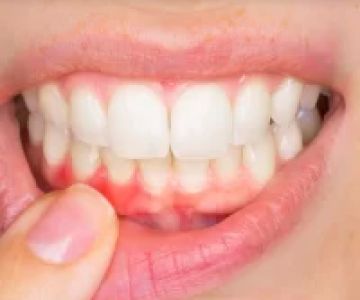
Gum inflammation, also known as gingivitis, is the earliest stage of gum disease and occurs when the gums become swollen, red, and bleed easily. It is caused by the accumulation of plaque on the teeth and gums. While gum inflammation is common, it can lead to more serious oral health problems if left untreated, such as periodontitis, which can result in tooth loss. Understanding the causes and symptoms of gum inflammation is crucial for preventing further complications and maintaining a healthy smile.
2. Common Causes of Gum Inflammation
Gum inflammation is primarily caused by poor oral hygiene, but several other factors can contribute to its development. The most common causes include:
- Poor Oral Hygiene: Failure to brush and floss regularly allows plaque to build up on the teeth, which can irritate the gums and lead to inflammation.
- Tobacco Use: Smoking or chewing tobacco reduces blood flow to the gums, making it harder for the body to fight off infection and heal damaged tissue.
- Hormonal Changes: Changes in hormones, such as during pregnancy, menstruation, or menopause, can increase the sensitivity of the gums and make them more prone to inflammation.
- Certain Medications: Medications such as phenytoin (for epilepsy), cyclosporine (used in organ transplants), and calcium channel blockers can cause gum swelling and inflammation as a side effect.
- Medical Conditions: Conditions like diabetes, blood disorders, and autoimmune diseases can affect the body’s ability to fight off infections, making the gums more vulnerable to inflammation.
3. Recognizing the Symptoms of Gum Inflammation
Recognizing the symptoms of gum inflammation early can help prevent the progression of gum disease. Common signs of gum inflammation include:
- Red, Swollen Gums: Healthy gums should be pink and firm. Inflamed gums may appear redder and feel swollen to the touch.
- Bleeding Gums: One of the most common symptoms is bleeding gums, especially when brushing or flossing.
- Bad Breath: Persistent bad breath or a bad taste in the mouth may indicate gum inflammation or infection.
- Gum Sensitivity: Inflamed gums may feel sore or tender, making it painful to eat certain foods.
- Receding Gums: As gum inflammation progresses, the gums may begin to recede from the teeth, exposing more of the tooth’s surface.
4. The Link Between Poor Oral Hygiene and Gum Disease
Poor oral hygiene is the primary cause of gum inflammation, as it allows plaque—a sticky film of bacteria—to build up on the teeth. Plaque irritates the gums, causing them to become inflamed and bleed. If plaque is not removed through regular brushing and flossing, it can harden into tartar, which can only be removed by a dentist or hygienist. Tartar buildup can lead to gum disease, which can cause tooth loss if left untreated. Maintaining good oral hygiene is essential for preventing gum inflammation and more serious dental issues.
5. Effective Treatments for Gum Inflammation
If you notice signs of gum inflammation, it’s important to take action quickly to prevent the condition from worsening. Here are some effective treatments for gum inflammation:
- Professional Cleaning: A dentist or hygienist will clean your teeth thoroughly to remove plaque and tartar buildup, which can help alleviate gum inflammation.
- Antibiotic Treatment: In some cases, a dentist may prescribe antibiotics in the form of gels, mouth rinses, or oral medication to treat the infection causing gum inflammation.
- Improved Oral Hygiene: Brushing your teeth at least twice a day with fluoride toothpaste and flossing daily is essential for removing plaque and reducing inflammation.
- Anti-Inflammatory Medications: Over-the-counter anti-inflammatory drugs, such as ibuprofen, can help reduce gum pain and inflammation in the short term.
6. Preventing Gum Inflammation Through Proper Oral Care
Preventing gum inflammation is much easier than treating it. By adopting the following good oral hygiene practices, you can significantly reduce the risk of gum disease:
- Brush Regularly: Brush your teeth twice a day using a soft-bristled toothbrush and fluoride toothpaste. Make sure to brush for at least two minutes each time.
- Floss Daily: Flossing is crucial for removing plaque and food particles from between your teeth and along the gumline, areas your toothbrush can’t reach.
- Visit the Dentist: Regular dental check-ups and cleanings every six months can help detect early signs of gum disease and keep your gums healthy.
- Eat a Balanced Diet: A nutritious diet, rich in vitamins and minerals, supports healthy gums and helps prevent inflammation.
- Avoid Tobacco: Quitting smoking or chewing tobacco can help reduce your risk of gum disease and other serious health issues.
If you're dealing with gum inflammation or looking for expert advice on preventing and treating gum disease, visit Dentistry Toothtruth for comprehensive dental care and tips to keep your gums healthy.





 Family Dental Care4.0 (212 review)
 Amazing Kidz Pediatric Dentistry4.0 (143 review)
 Gulf Coast Orthodontics5.0 (65 review)
 Alliance Orthodontics4.0 (23 review)
 Brident Dental & Orthodontics3.0 (509 review)
 Eric Hansen, LD0.0 (0 review)
 The Importance of Oral Health Education During Pregnancy for a Healthy Pregnancy
 Best Tips for Brushing Your Teeth Properly for Healthy Gums: Essential Techniques for Oral Health
 Why Skipping Dental Checkups Can Lead to Bigger Oral Health Problems
 Advantages of Porcelain Dental Restorations
 How Can Diabetes Cause Tooth and Gum Problems? Preventing and Managing Oral Health Issues
 Healthy Habits for Promoting Good Oral Health and Hygiene: Tips for a Healthy Smile