
Understanding Gum Diseases: Prevention, Symptoms, and Treatment Options
- What Are Gum Diseases?
- Types of Gum Diseases
- Common Symptoms of Gum Disease
- How to Prevent Gum Diseases
- Effective Treatment Options for Gum Diseases
- When to Consult a Dentist
1. What Are Gum Diseases?
Gum diseases, also known as periodontal diseases, refer to a range of infections affecting the gums and supporting structures of the teeth. These diseases typically start as gum inflammation (gingivitis) and can progress to more serious conditions such as periodontitis, which can lead to tooth loss if left untreated.
Gum diseases are usually caused by poor oral hygiene that encourages plaque to form on teeth, leading to inflammation. The bacteria in plaque can infect the gums, causing the tissues to swell, bleed, and weaken. Over time, these infections can destroy the tissues and bones that support your teeth.
2. Types of Gum Diseases
There are several types of gum diseases, with the two most common being gingivitis and periodontitis. Here’s a breakdown of each type:
2.1 Gingivitis
Gingivitis is the mildest form of gum disease and is characterized by redness, swelling, and bleeding of the gums. It’s often caused by the accumulation of plaque at the gum line, and if caught early, it can be reversed with good oral hygiene habits, such as regular brushing and flossing.
2.2 Periodontitis
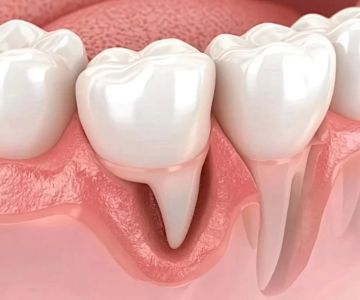
If gingivitis is left untreated, it can progress to periodontitis. This more severe form of gum disease involves the loss of tooth-supporting tissues and bone. Symptoms include receding gums, pockets forming between the teeth and gums, and loose teeth. Periodontitis may require professional treatment, including scaling and root planing or even surgery in severe cases.
3. Common Symptoms of Gum Disease
Gum diseases can progress silently, which means you might not notice the symptoms until the disease has reached an advanced stage. Here are some common signs to look out for:
3.1 Red, Swollen, or Bleeding Gums
One of the earliest signs of gum disease is inflammation, which causes the gums to appear red and swollen. You may notice bleeding when brushing or flossing, a clear indicator that gum disease is present.
3.2 Bad Breath or Bad Taste in Mouth
Persistent bad breath (halitosis) or a bad taste in the mouth is another common symptom of gum disease. The bacteria in infected gums can emit foul odors, which linger even after brushing.
3.3 Receding Gums and Tooth Sensitivity
As gum disease progresses, it can cause the gums to recede, making your teeth appear longer. You may also experience increased tooth sensitivity to hot, cold, or sweet foods, which is caused by the exposure of the tooth roots.
4. How to Prevent Gum Diseases
Preventing gum disease is easier than treating it, and it starts with a consistent oral hygiene routine. Here are some steps you can take to protect your gums:
4.1 Brushing and Flossing Regularly
Brushing your teeth at least twice a day and flossing once daily are the most effective ways to remove plaque and bacteria that can lead to gum disease. Use fluoride toothpaste and a soft-bristled toothbrush to avoid damaging your gums.
4.2 Professional Dental Cleanings
Regular dental cleanings are essential for removing plaque and tartar that accumulate on your teeth, especially in hard-to-reach areas. Even if you brush and floss regularly, tartar can build up over time, and only a dentist or hygienist can remove it.
4.3 Healthy Diet
A balanced diet rich in vitamins and minerals, especially vitamin C, helps maintain gum health. Avoid sugary foods and drinks that promote the growth of harmful bacteria in the mouth.
5. Effective Treatment Options for Gum Diseases
Once gum disease has been diagnosed, there are several treatment options available depending on the severity of the condition:
5.1 Non-Surgical Treatments
In the early stages of gum disease, non-surgical treatments may be sufficient. These treatments include:
- Scaling and Root Planing: A deep cleaning procedure that removes plaque and tartar from below the gum line.
- Antibiotics: Prescription antibiotic treatments can help control infection and reduce inflammation.
5.2 Surgical Treatments
If gum disease has caused significant damage, surgical interventions may be necessary. These include:
- Flap Surgery: A procedure where the gums are lifted to remove tartar and then repositioned.
- Bone Grafts: Bone tissue may be transplanted to regenerate damaged areas around the teeth.
6. When to Consult a Dentist
If you notice any of the symptoms of gum disease, it’s crucial to consult a dentist as soon as possible. Early intervention can prevent further damage and may even reverse the effects of gingivitis. Don’t wait until the disease progresses to the point where tooth loss is inevitable.
Regular dental check-ups and professional cleanings are essential for maintaining good oral health and preventing gum diseases from developing or worsening.
For more information on gum disease prevention and treatment options, visit Dentistry Toothtruth.

 Moreno Valley Family Health Center3.0 (106 review)
 All Smiles Dental Group4.0 (64 review)
 Chiulli Implants and Periodontics4.0 (134 review)
 Affordable Dental at Flamingo & Sandhill4.0 (421 review)
 Aspen Dental - Glendale, AZ4.0 (602 review)
 Jean-Paul Boudreau DMD, LLC4.0 (89 review)
 The Importance of Oral Health Education During Pregnancy for a Healthy Pregnancy
 Best Tips for Brushing Your Teeth Properly for Healthy Gums: Essential Techniques for Oral Health
 Why Skipping Dental Checkups Can Lead to Bigger Oral Health Problems
 Advantages of Porcelain Dental Restorations
 How Can Diabetes Cause Tooth and Gum Problems? Preventing and Managing Oral Health Issues
 Healthy Habits for Promoting Good Oral Health and Hygiene: Tips for a Healthy Smile