
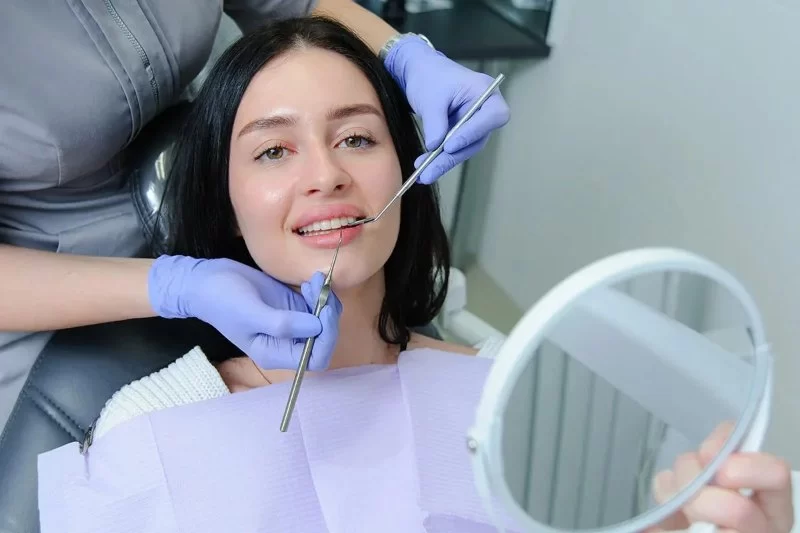
What Are Dental Crowns and How Do They Help Restore Your Teeth?
When it comes to dental health, few things can be as frustrating as dealing with damaged or decayed teeth. Whether it's due to injury, cavities, or wear and tear over time, the condition of our teeth plays a crucial role in both our appearance and overall well-being. This is where dental crowns come into play. As a solution for restoring the strength, function, and appearance of damaged teeth, dental crowns are widely used by dental professionals to ensure long-term oral health and aesthetic appeal.
1. What Exactly Is a Dental Crown?
A dental crown is a custom-made cap that is placed over a tooth that has been damaged, decayed, or weakened. The crown encases the entire visible portion of the tooth, providing strength, shape, and a natural-looking finish. Essentially, it restores the tooth to its original form and function, making it stronger and more durable than it was before. Crowns are typically recommended when a tooth is too damaged to be repaired with a filling alone.
1.1 Types of Dental Crowns
Dental crowns come in several materials, each offering unique benefits depending on your specific needs. The most common types of dental crowns include:
- Porcelain Crowns: Porcelain crowns are often chosen for their natural appearance, as they closely resemble the color and translucency of natural teeth. They are particularly popular for restoring front teeth.
- Metal Crowns: Metal crowns are made from materials such as gold or other alloys. While they may not blend as seamlessly with natural teeth, they are incredibly durable and resistant to wear.
- Porcelain-Fused-to-Metal Crowns: These crowns combine the strength of metal with the aesthetic appeal of porcelain. They are versatile and provide a good balance of durability and natural-looking results.
- Resin Crowns: Resin crowns are more affordable than other options but may wear down faster. They are often used as temporary solutions or for teeth that are less visible.
1.2 How Do Dental Crowns Work?
The process of getting a dental crown typically involves a few visits to the dentist. Here's a step-by-step overview:
- Initial Consultation: During your first visit, the dentist will examine your tooth to determine if a crown is the best solution. They will take X-rays and may perform a root canal if the tooth is severely damaged.
- Tooth Preparation: To ensure a proper fit, the dentist will reshape the affected tooth by removing a portion of its outer structure. This ensures that the crown fits snugly over the tooth.
- Impressions: After the tooth is prepared, the dentist will take impressions of your tooth. These impressions will be sent to a dental lab where your custom crown will be made.
- Temporary Crown: While your permanent crown is being crafted, a temporary crown will be placed to protect the tooth.
- Final Placement: Once the custom crown is ready, you will return to the dentist’s office to have it permanently placed. The dentist will ensure the crown fits properly and make any necessary adjustments before cementing it in place.
2. The Benefits of Dental Crowns
Dental crowns offer several benefits, making them a popular choice for restoring damaged teeth. Here are some of the key advantages:
2.1 Strength and Durability
One of the primary benefits of dental crowns is their ability to restore the strength and function of a damaged tooth. Crowns are designed to withstand the forces of chewing and biting, which makes them particularly useful for molars and premolars that experience heavy pressure. Whether you have a cracked tooth, a large filling, or a weakened tooth due to decay, a crown provides the reinforcement necessary to keep the tooth intact.
2.2 Aesthetic Appeal
When placed on visible teeth, especially in the front of the mouth, crowns can improve the appearance of your smile. Modern porcelain crowns are made to look almost identical to natural teeth, so you can restore both the function and the aesthetic of your smile. If you have a discolored or misshapen tooth, a crown can provide an excellent cosmetic solution.
2.3 Long-Term Solution
Dental crowns are built to last, with most crowns remaining in place for 10 to 15 years or longer with proper care. This makes them a cost-effective and long-lasting option for restoring teeth. Regular brushing, flossing, and dental checkups can help extend the life of your crown and ensure that your oral health remains intact.
3. When Are Dental Crowns Necessary?
Dental crowns are recommended in several scenarios where a tooth is significantly damaged or compromised. Here are a few common situations where a dental crown may be the right choice:
- Severe Decay: If a tooth has significant decay that can't be fixed with a filling, a crown may be necessary to restore its structure and prevent further damage.
- Cracked or Broken Teeth: A tooth that is cracked or broken can be repaired with a crown, which provides protection and prevents further fracturing.
- Large Fillings: If a filling is too large to support the structure of the tooth, a crown can be placed to hold everything together.
- Cosmetic Purposes: Crowns are also used to improve the appearance of teeth that are discolored, misshapen, or have uneven sizes.
- After a Root Canal: After a root canal, a crown is often used to restore the tooth and prevent it from becoming brittle or breaking.
4. Caring for Your Dental Crown
Once you have a dental crown, it’s important to take good care of it to ensure its longevity. Here are some tips for maintaining your dental crown:
- Practice Good Oral Hygiene: Brush your teeth twice a day and floss regularly to keep your crown and surrounding teeth clean and healthy.
- Avoid Hard Foods: While crowns are durable, they can still be damaged by chewing on very hard foods like ice or candy. Be cautious when eating such items.
- Wear a Mouthguard: If you grind your teeth at night, consider wearing a mouthguard to protect your crown from unnecessary wear.
- Visit Your Dentist Regularly: Regular dental checkups will help your dentist monitor the condition of your crown and address any issues early on.
5. Conclusion
Dental crowns are a versatile and effective solution for restoring damaged teeth, providing both aesthetic and functional benefits. Whether you're dealing with severe decay, a cracked tooth, or simply want to improve the appearance of your smile, a dental crown can be a great way to achieve a healthier, more confident smile. If you're considering a crown or other dental treatments, it's always a good idea to consult with a trusted dentist who can provide personalized recommendations based on your unique needs.
For more information on dental crowns and to find the best products and services for your oral health, visit Family Dentistry Online for expert advice and recommendations.




 Absolute Dental - Aliante4.0 (910 review)
 Dental Crown in an Hour: Naples4.0 (121 review)
 The Smile Institute Advanced Dentistry & Orthodontics4.0 (256 review)
 Virginia Family Dentistry Brandermill - Woodlake4.0 (724 review)
 Equitas Health Short North Medical Center3.0 (96 review)
 DentalWorks & Orthodontics Schaumburg4.0 (367 review)
 The Importance of Oral Health Education During Pregnancy for a Healthy Pregnancy
 Best Tips for Brushing Your Teeth Properly for Healthy Gums: Essential Techniques for Oral Health
 Why Skipping Dental Checkups Can Lead to Bigger Oral Health Problems
 Advantages of Porcelain Dental Restorations
 How Can Diabetes Cause Tooth and Gum Problems? Preventing and Managing Oral Health Issues
 Healthy Habits for Promoting Good Oral Health and Hygiene: Tips for a Healthy Smile